
Customize Your Screen

STEP ONE:
Choose Your Screen Color...
Backed by Twitchell’s OmegaTex fabric, our hurricane screens are engineered with ballistic-grade and enhanced fibers for maximum strength and durability. These fabrics aren’t just tough—they’re also UV-protected for long-lasting performance and crafted with aesthetics in mind. Choose from six elegant colors designed to complement the architecture of your home.
STEP TWO:
Choose Your Frame Color...
Choosing the right screen color is simple with MaxForce™. Our standard color selections are designed to blend seamlessly with your architecture and framework, offering a clean, cohesive look. For unique designs, custom powder coating is available to match any project. All finishes are marine-grade and infused with UV ray inhibitors—built to endure the elements and maintain their beauty for years to come.
STEP THREE:
Choose Your Control...
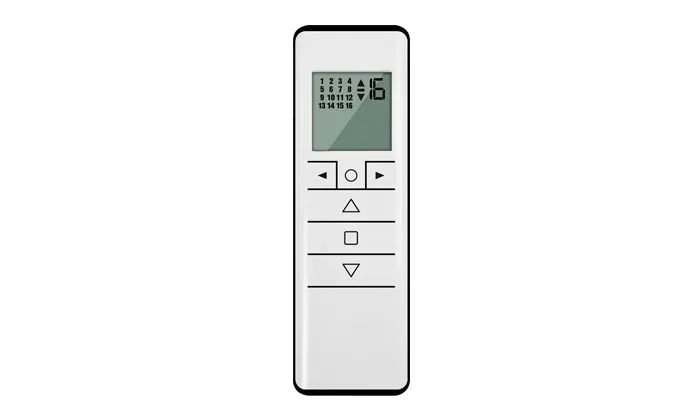
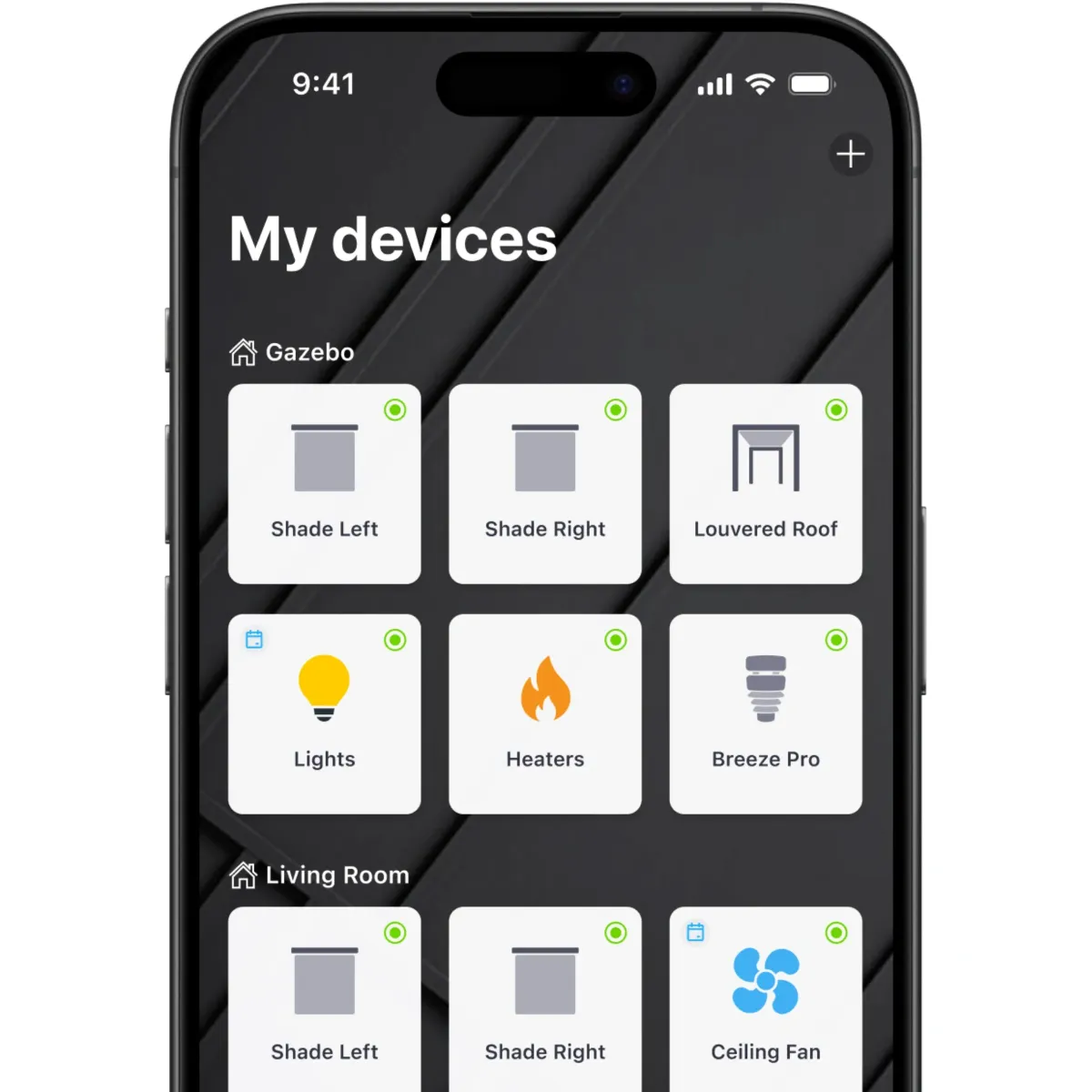
Selecting your preferred control method is effortless with MaxForce™. Whether you choose handheld remotes, mobile apps, or smart home integration, our systems are designed to fit your lifestyle. No need to settle—just integrate and enjoy continuous, seamless operation 24/7. It's control on your terms, exactly when and where you need it.
MAXFORCE™ NEWS
The homeowner's guide to protecting what a bad storm can take away.
Protecting a patio or lanai from hurricane-force winds isn't a single decision — it's a sequence of them. Hurricane screens must be engineered and tested and certified for the 185mph wind zone, along with debris impact and the pressure differential that develops when a storm surrounds a structure. The right system depends on your home's exposure, the size and orientation of the opening, local building code requirements, and whether you want passive or motorized protection. MaxForce™ motorized hurricane screens are engineered for use in High Velocity Hurricane Zones and approved for Miami-Dade County under Florida Product Approval FL8637-R15 — among the most demanding hurricane standards in the United States — and deploy in under a minute at the press of a button. Understanding what separates a code-compliant installation from a cosmetic one is the difference between protection and exposure.
MaxForce™ News covers both sides of storm readiness: the code requirements that actually protect your home, the engineering that holds up past the marketing claims, the insurance coverage nobody explains upfront, and the questions to ask before you commit. Written for homeowners, not engineers.
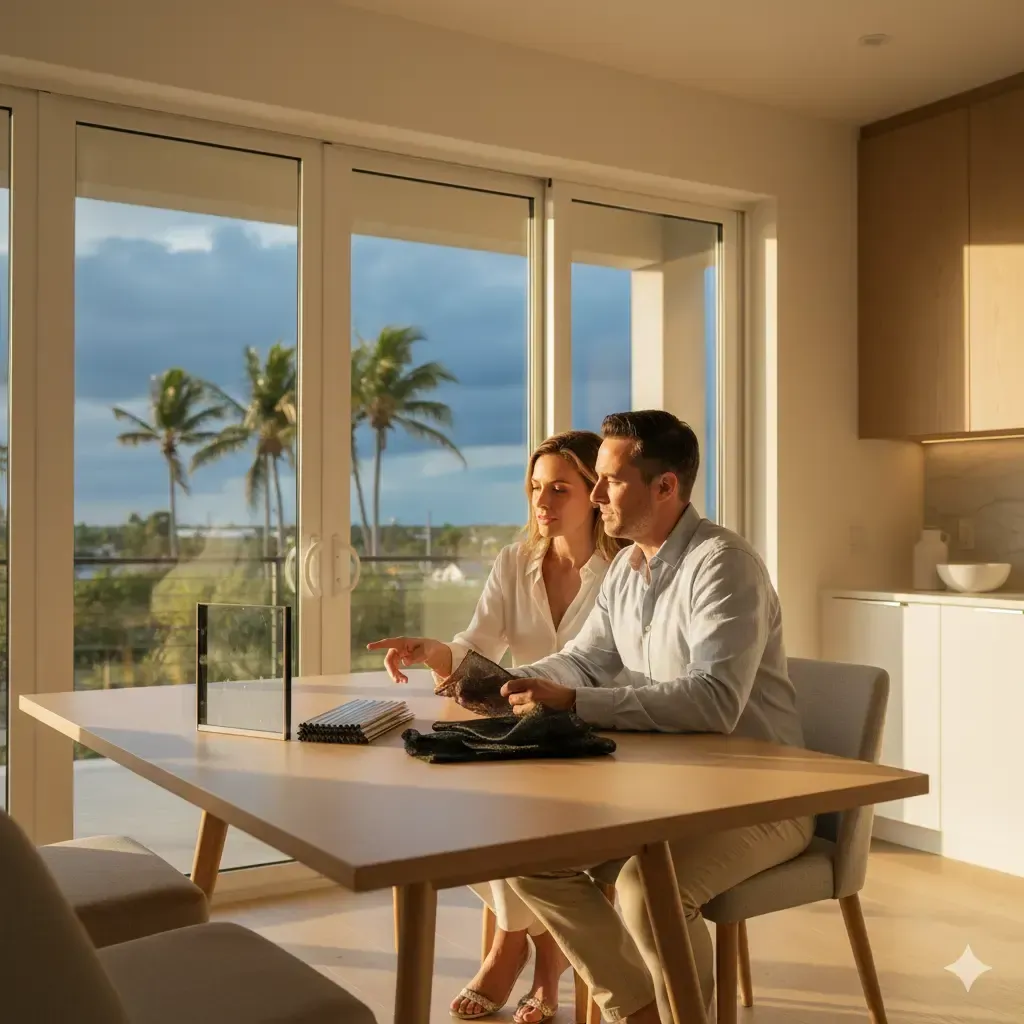
Shutters vs. Screens vs. Impact Glass: An Honest Comparison for 2026
Tired of sales pitches? We break down honest pros and cons of the five major hurricane protection options for 2026 — from impact glass's "always-on" convenience to modern screens' visibility. Find which system fits your home, budget, and lifestyle. Read more...
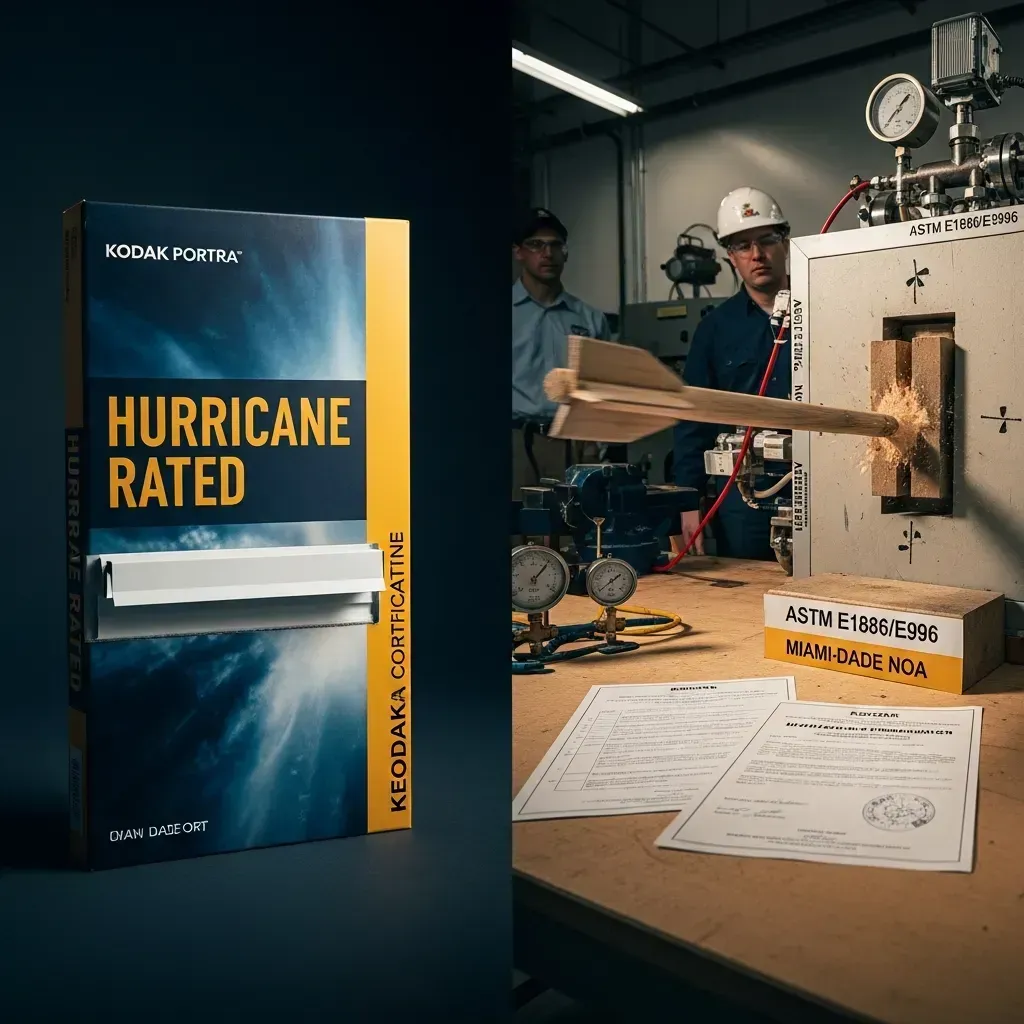
What 'Hurricane Rated' Actually Means: Testing Standards vs. Marketing Language
Hurricane rated" isn't a regulated term — anyone can print it on a box. Learn what ASTM E1996 and Miami-Dade TAS 201/202/203 actually test, and seven questions to ask before you trust any contractor's claim. Read more...
Category 3 Major Hurricane: 111-129 MPH Winds & Devastating Damage
Category 3 major hurricanes cause devastating damage with 111-129 mph winds. Learn why Katrina and Alicia changed communities forever at this threshold. Read more...



