
MaxForce™ 365 News
Your Source for Hurricane Protection & Outdoor Living Solutions
MaxForce™ Screens News
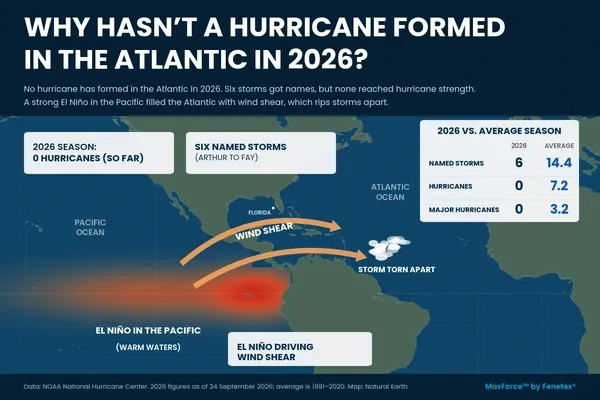
A Quiet Hurricane Season Is Not a Safe One
The 2026 Atlantic season has produced no hurricanes and broken a record standing since 1914. Here is what a quiet season does and does not tell a Florida homeowner.
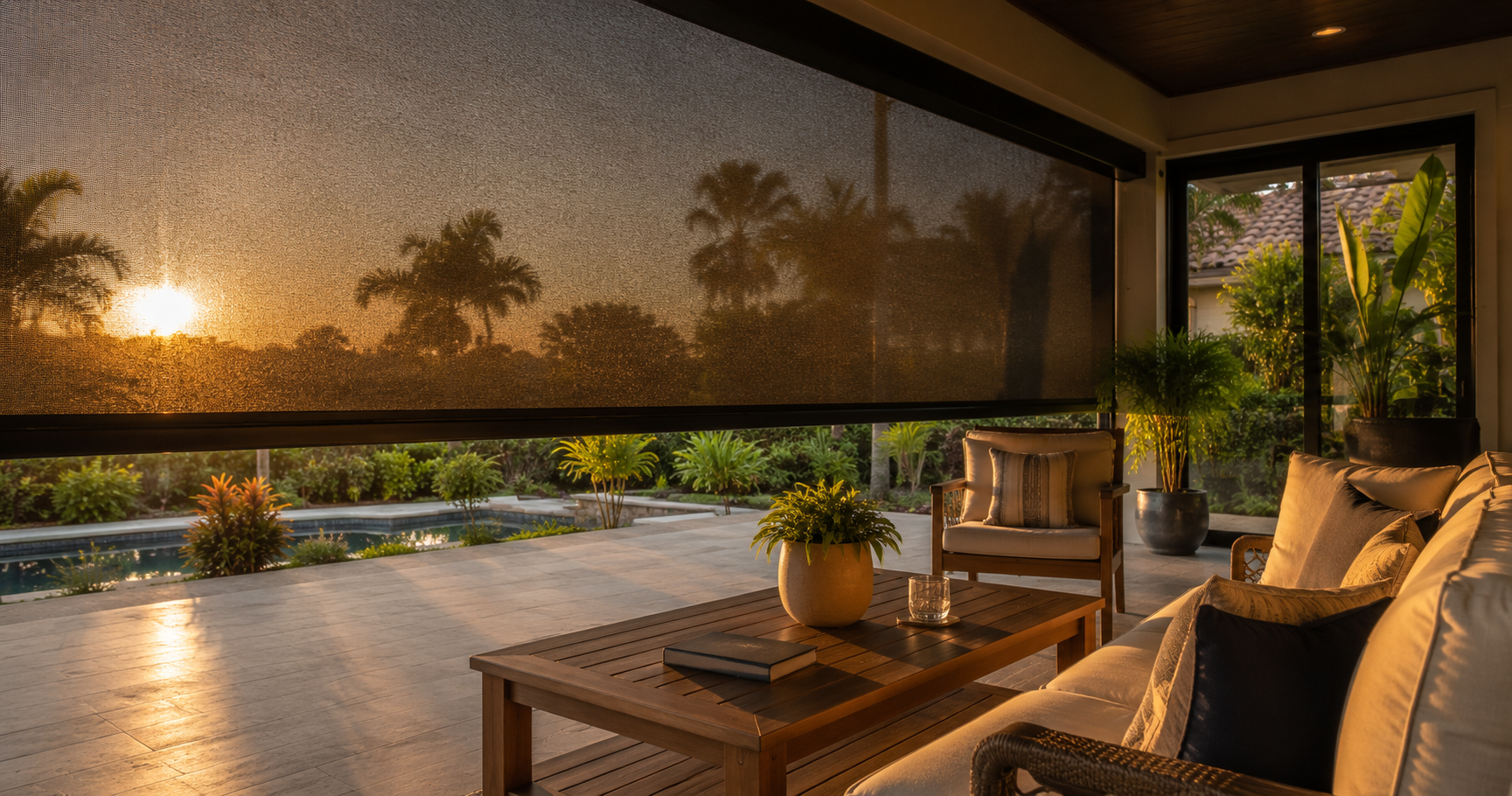
Are Motorized Patio Screens Worth It? An Honest Look at the Trade-Offs
 by: Kip HudakozPublished on: 16/09/2026
Motorized patio screens are worth it if you use the space year-round. The honest math, including four situations where they are the wrong purchase.
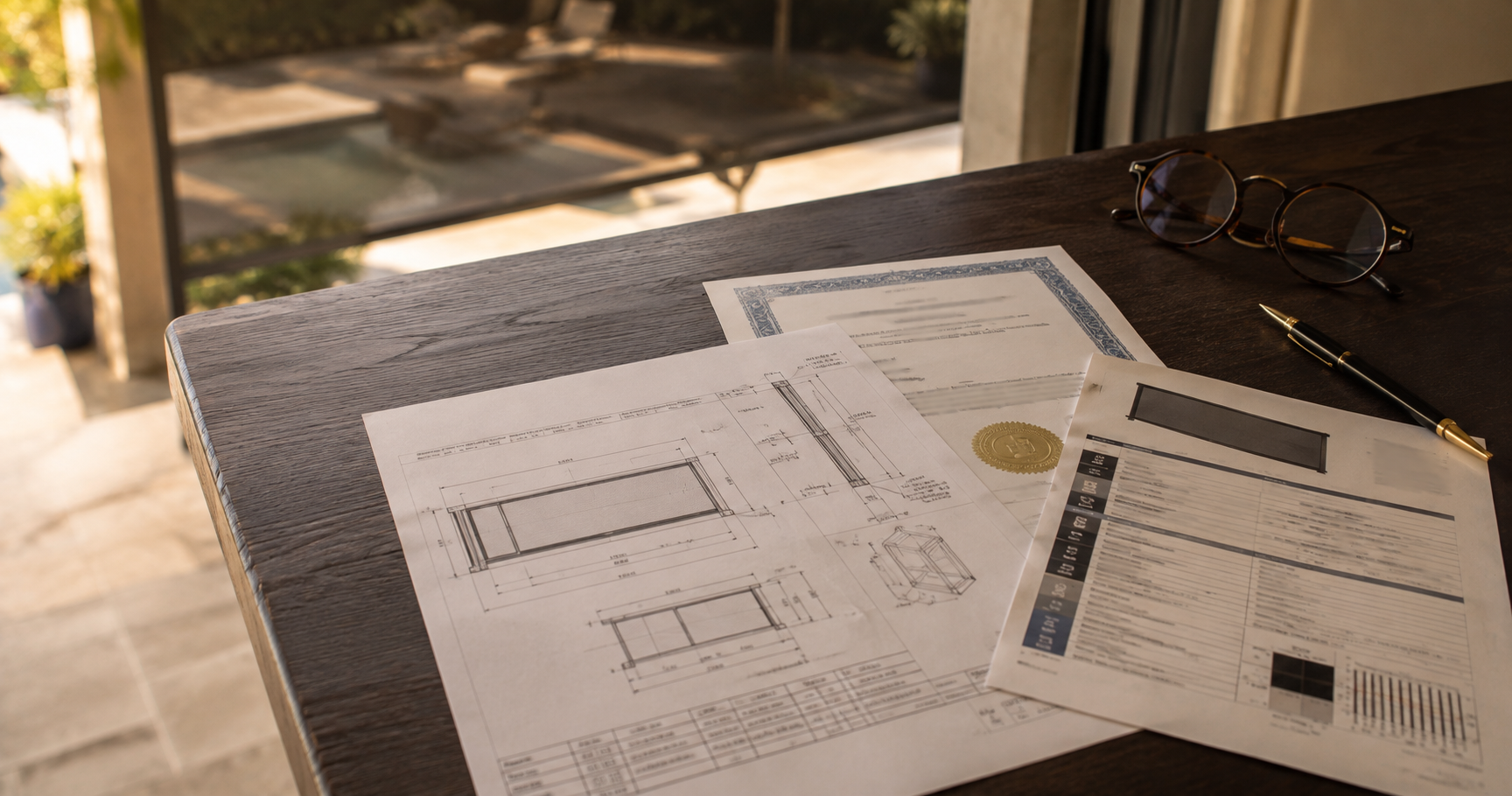
What Is the Best Hurricane Screen? How to Judge One Without the Marketing
by: Kip HudakozPublished on: 11/09/2026There is no single best hurricane screen. Four things separate a system worth buying from one that only looks good in a brochure. Here is the checklist.
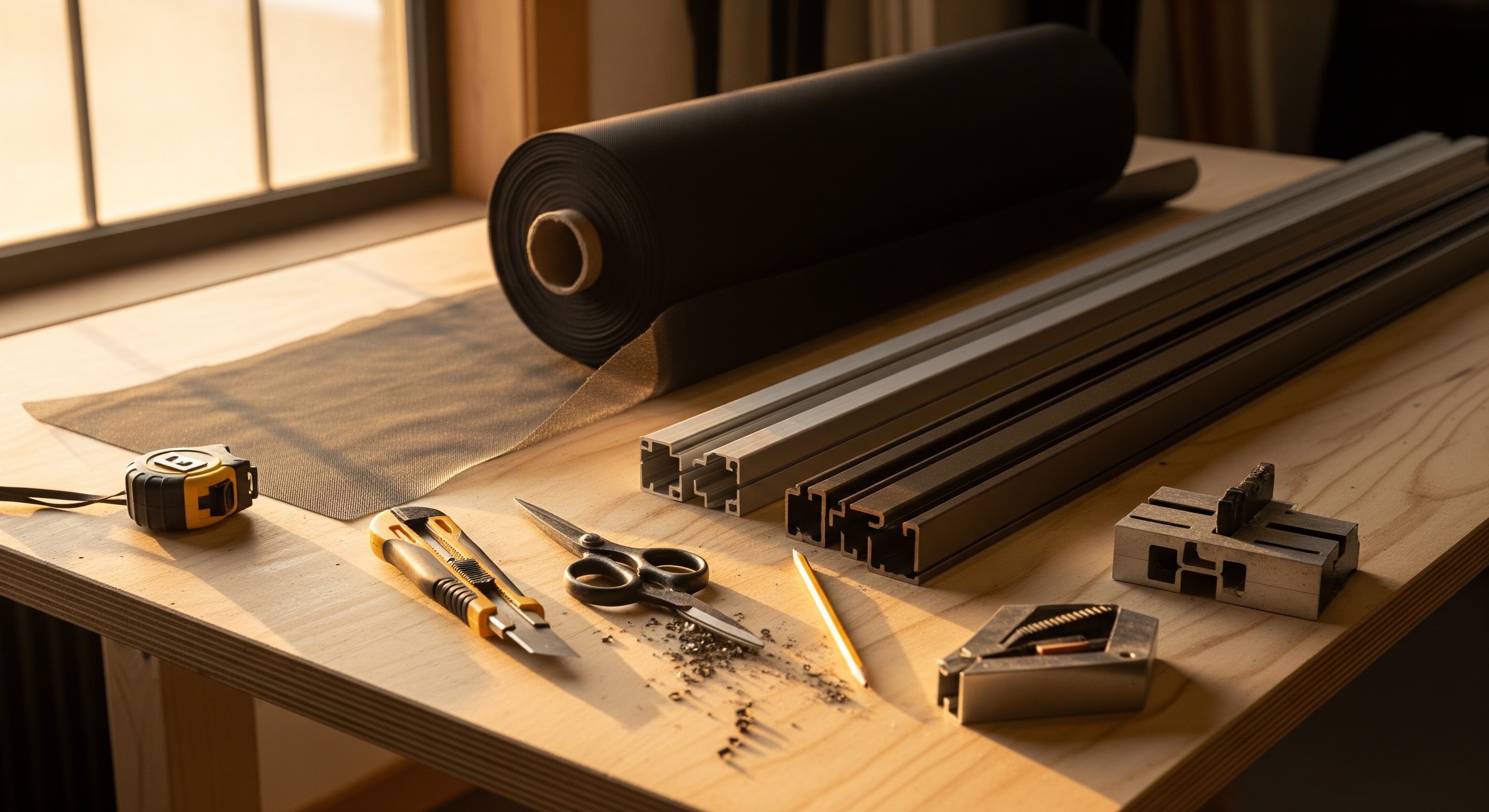
Thank You — From the Crew Behind Every Screen
by: Kip HudakozPublished on: 07/09/2026A Labor Day thank-you to the team that measures, builds, and installs every MaxForce system — no pitch, just gratitude.
What do hurricane categories mean, and how much protection do I actually need?
Hurricanes are ranked 1 through 5 on the Saffir-Simpson scale by sustained wind speed — from 74 mph at Category 1 to 157 mph and higher at Category 5. But damage isn't only about category: even a Category 1 storm can drive debris hard enough to break an unprotected window or door. What matters is rated opening protection engineered to your home's design wind pressure — not a product simply labeled "hurricane."
What are hurricane screens and how do they work?
Hurricane screens are high-strength woven panels that mount over windows, doors, lanais, and large openings to block wind-borne debris and reduce wind pressure during a storm. Motorized systems like MaxForce deploy at the press of a button and retract out of sight when the weather clears — so the home stays protected without anyone wrestling heavy panels into place before every storm.
What's the difference between hurricane screens and hurricane shutters?
Shutters are rigid panels — metal or polycarbonate — that cover individual openings one at a time, while screens are flexible engineered fabric that can span a whole lanai, patio, or outdoor kitchen in a single run. Screens also preserve visibility and airflow and, when motorized, deploy far faster. Shutters can cost less up front but are heavier to manage and poorly suited to wide openings.
Are motorized hurricane screens worth it?
For homeowners in hurricane-prone regions, motorized screens are often worth it because they remove the biggest failure point in storm prep: the manual labor that gets skipped when a storm closes in fast. One-button deployment means the protection actually gets used. Add potential insurance savings, protected outdoor living space, and — with MaxForce — a lifetime warranty, and many owners recover real value over the system's life.
What certification should a hurricane screen have?
Look for a Miami-Dade County Notice of Acceptance (NOA) or Florida Product Approval — the most rigorous hurricane-protection certifications in the United States. To earn one, a system must pass three Miami-Dade Test Application Standards: TAS 201 (large-missile impact, where a nine-pound 2x4 is fired at the system), TAS 202 (structural pressure), and TAS 203 (roughly 9,000 cycles of fluctuating wind pressure). A product merely called "hurricane-rated" hasn't necessarily survived that gauntlet. MaxForce systems are engineered and tested to these High-Velocity Hurricane Zone standards.
What is a "fixed-track" hurricane screen, and why does it matter?
A fixed-track screen locks the fabric's reinforced edge into a permanently anchored side track, holding the screen mechanically along its full height rather than relying on magnets or loose channels. This matters because the sustained, fluctuating wind pressure of a hurricane works to peel a screen out of its track. MaxForce uses a fixed Keder-edge track built to hold under load — without the corrosion concerns that can affect magnetic systems in salt-air coastal environments.
Will hurricane screens lower my homeowners insurance?
They may. Under Florida Statute 627.0629, insurers are required to offer windstorm-mitigation discounts, and rated opening protection — which hurricane screens can provide — is one of the qualifying features. The credit applies to the windstorm portion of your premium and varies by insurer, home, and a verifying wind-mitigation inspection, so confirm the specifics with your provider. Several other coastal states offer comparable mitigation incentives.
When is the best time to install hurricane screens?
The best time is the off-season — late fall through early spring — before hurricane season begins on June 1. Installers carry shorter lead times outside peak demand, you skip the pre-storm rush when everyone calls at once, and your home is protected from the season's very first system. Waiting until a storm is already in the forecast usually means it's too late to install. For more information about the best time to install hurricane screens, read the the following articles:
Do I need hurricane protection if I don't live on the coast?
Often, yes. Hurricanes carry destructive wind, rain, and flying debris far inland — Hurricane Helene in 2024 caused catastrophic damage hundreds of miles from landfall, including the mountains of western North Carolina. If your region sees tropical-storm-force winds or the remnants of major systems, rated opening protection can still prevent costly debris and water damage.


