
Commercial Hurricane Protection

Built for the Properties That Can't Afford to Close
Commercial Applications
How MaxForce™ Protects Commercial Properties
When a hurricane forecast tightens, residential homeowners worry about their family. Commercial property owners face a different equation. The outdoor patio that drove $400,000 of revenue last quarter sits exposed. The hotel veranda where weddings are booked through October waits for staff to install plywood. The restaurant footprint that defines the guest experience is hours from looking like a construction site.
MaxForce™ commercial hurricane screens close in under sixty seconds at the push of a button — preserving outdoor revenue, eliminating manual storm preparation labor, and protecting the guest experience that drives commercial outdoor investment. The same engineering used at Disney World, Ritz-Carlton, and NASA installations protects independent restaurants, hotels, resorts, and retail properties across coastal hurricane regions.
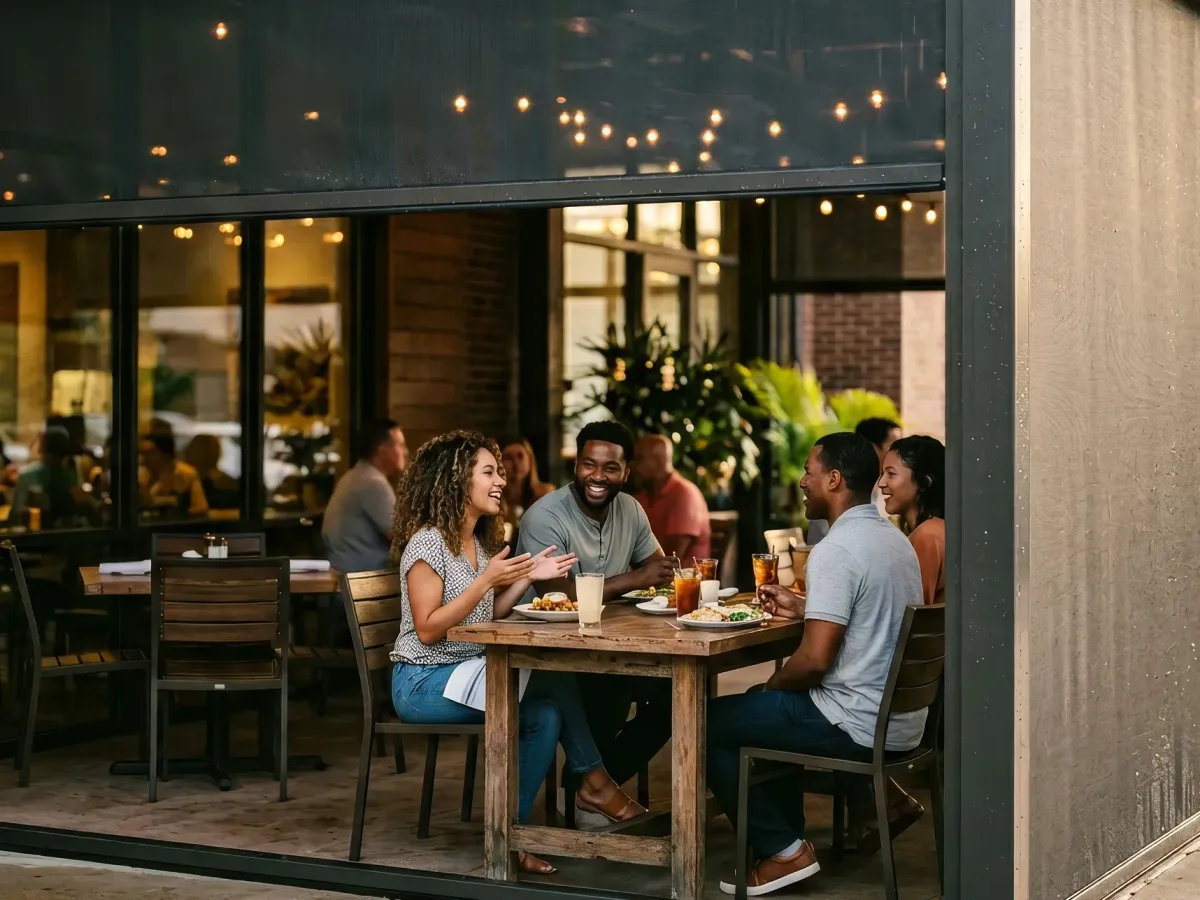
Restaurants & Hospitality Outdoor Dining
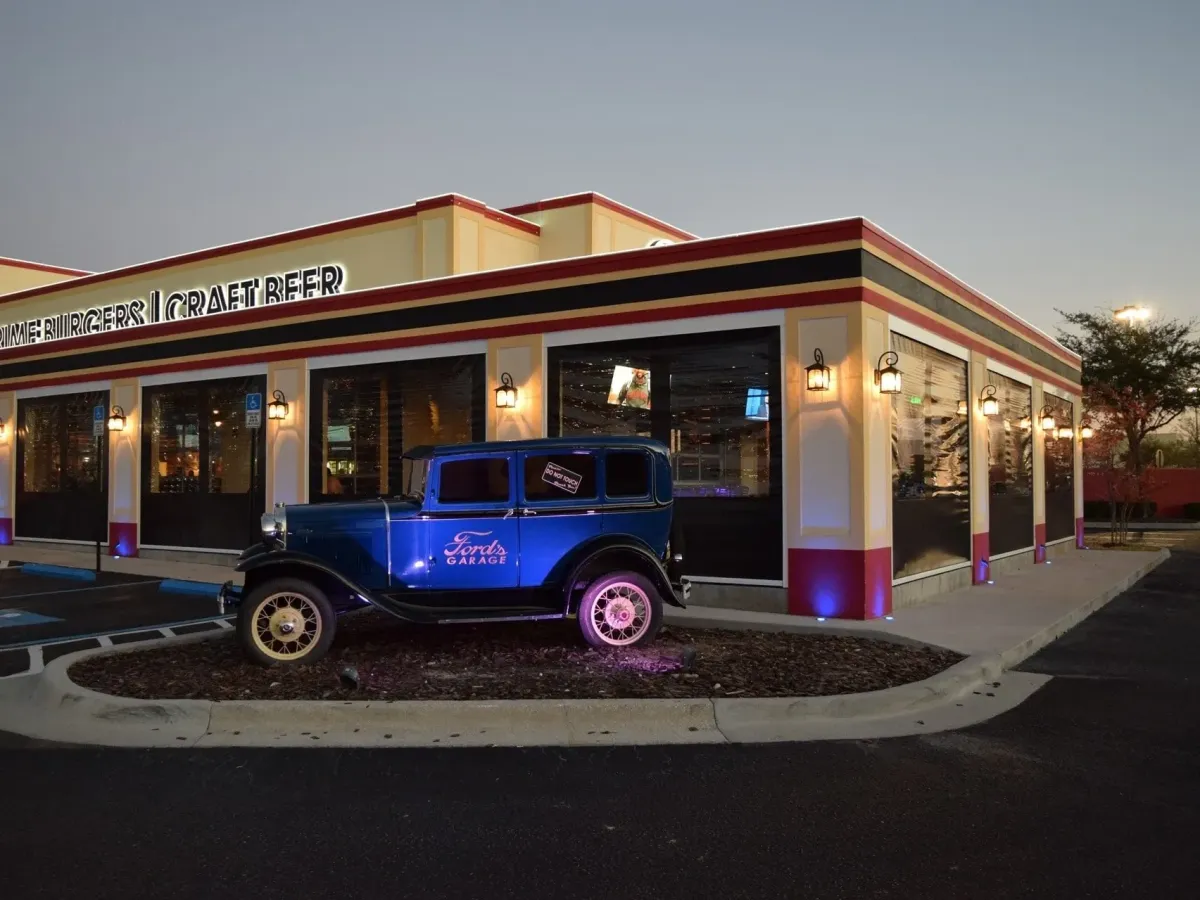
Outdoor dining is no longer a seasonal amenity. It's how restaurants compete. The patios at First Watch, Ford's Garage, and similar establishments stay productive through hurricane seasons because MaxForce™ screens close in under a minute — protecting the space, the furniture, and the next week's reservations. The screens retract completely when not deployed, preserving the open-air experience guests pay for.
Common Installations
Patio enclosures
Outdoor dining rooms
Rooftop terraces
Courtyard restaurants
Brewery and taproom outdoor spaces
Food hall outdoor seating
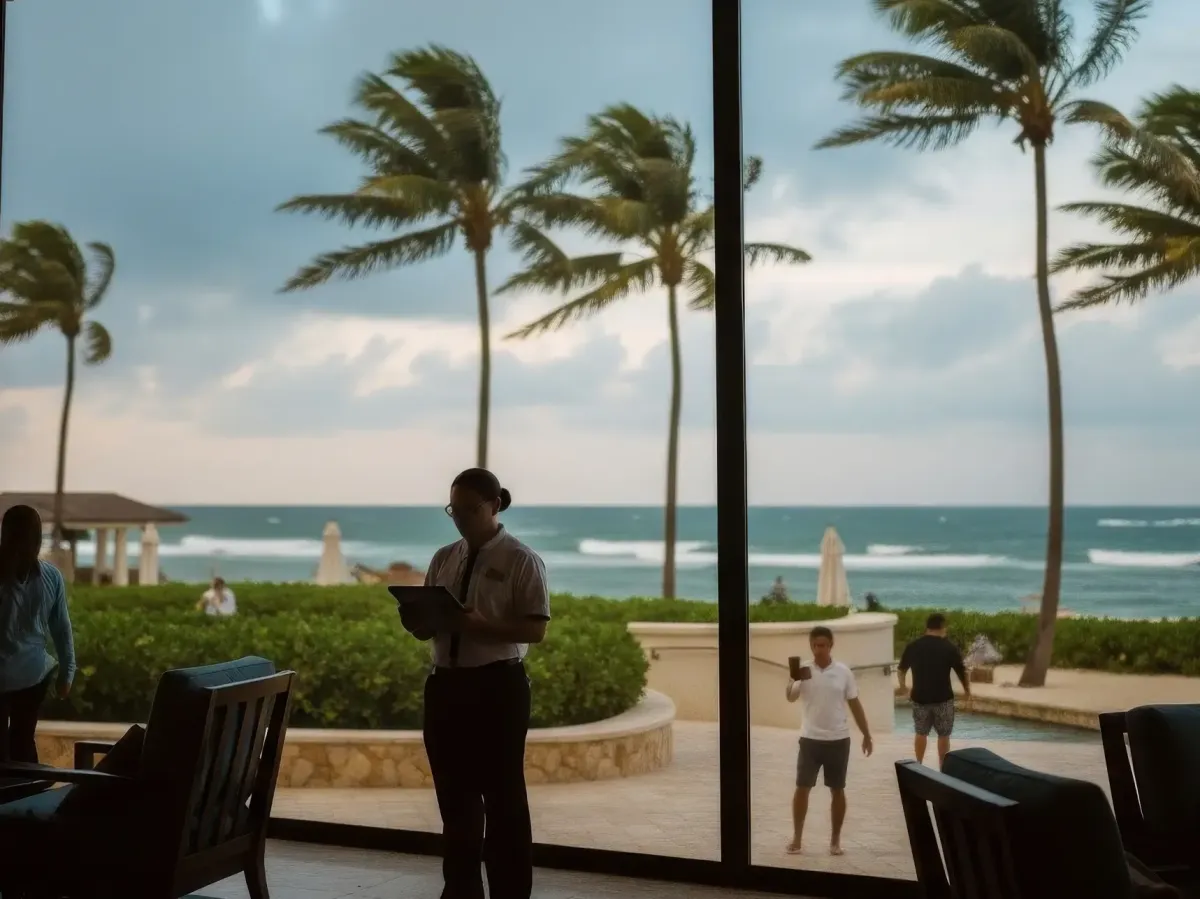
Hotels, Resorts & Hospitality Properties
Resort properties protect three things at once during hurricane season: the asset, the guest experience, and the bookings calendar. Manual shutter deployment requires a maintenance team and disrupts guest-facing operations during the most visible weather windows. MaxForce™ screens deploy from a central control system, integrate with property management automation, and retract cleanly once the storm passes — protecting the property without staging a visible storm-prep operation across the grounds.
Common Installations
Pool deck enclosures
Hotel veranda protection
Restaurant patios
Wedding venue outdoor spaces
Beachfront cabana enclosures
Conference center outdoor breaks
Retail Establishments & Mixed-Use Properties
Retail outdoor spaces — entry vestibules, sidewalk seating, courtyard establishments, mixed-use development outdoor zones — face the same hurricane exposure as larger commercial properties without the dedicated facilities teams. MaxForce™ screens give retail operators automated hurricane protection that requires no advance staffing and no return-to-operation labor. The screen deploys before the storm, retracts after, and the property is back to normal business hours the same week.
Common Installations
Storefront vestibules
Sidewalk seating enclosures
Outdoor display areas
Courtyard retail establishments
Mixed-use outdoor commons
Retail patio extensions
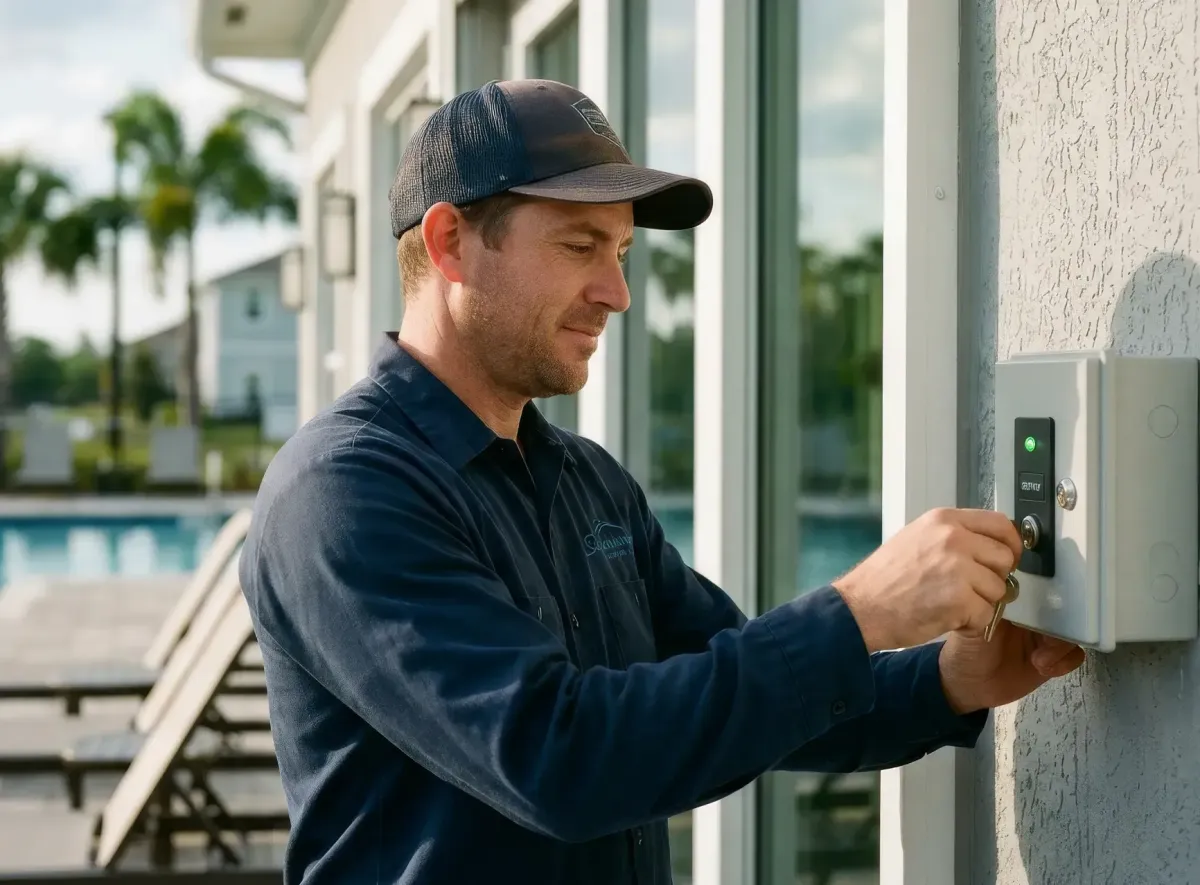
HOAs and Multi-Family
Community properties — HOA-managed common areas, condominium pool decks, club houses, shared outdoor spaces — protect dozens or hundreds of residents simultaneously. Manual hurricane preparation across community common areas is the kind of multi-day, multi-team operation that exhausts board budgets and disrupts residents' lives. MaxForce™ installations protect community spaces from a single control point, deployed by maintenance staff in minutes rather than days.
Common Installations
Pool deck enclosures
Clubhouse outdoor spaces
Common-area patios
Shared outdoor gathering spaces
Condominium balconies
MAXFORCE™ MOTORIZED HURRICANE SCREEN
Contact Certified MaxForce™ Screen Dealer Today...
The MaxForce™ Difference
Why commercial properties choose MaxForce™
Four reasons commercial operators trust MaxForce™ over every other storm protection option.
Revenue stays open during hurricane season
A plywood-covered patio drives zero revenue. MaxForce™ screens deploy in under sixty seconds — protecting furniture, preserving reservations, and keeping the guest experience intact while the storm passes. The same outdoor space generating income on Tuesday is protected by Wednesday morning and back in service by Thursday.
Central control, no labor-intensive deployment
Manual shutter deployment requires a maintenance team, disrupts guest-facing operations, and stages a visible storm-prep operation across the property. MaxForce™ deploys from a central control system, integrates with property management automation, & retracts cleanly once the storm passes — no crew required, no construction-site appearance.
Engineering proven at Disney, Ritz-Carlton, and NASA
The same engineering protecting Disney World, Ritz-Carlton, and NASA installations protects independent restaurants, hotels, and retail properties across coastal hurricane regions. Commercial buyers get protection approved for use in Miami-Dade County and the HVHZ under Florida Product Approval FL8637-R15 — not a residential product scaled up, but a commercial-grade system engineered for properties that can't afford to close.
Custom-fabricated to commercial architecture
Commercial openings don't conform to standard sizes. MaxForce™ screens are custom-fabricated to your exact specifications — pool deck enclosures, rooftop terraces, hotel verandas, courtyard restaurants, HOA common areas, and multi-level resort installations. The screens disappear into the structure when retracted, preserving the open-air experience guests and residents pay for.
MAXFORCE™ MOTORIZED HURRICANE SCREEN
Contact Certified MaxForce™ Screen Dealer Today...
Get Started
Planning your MaxForce™ Commercial installation
Commercial installations begin with a site assessment by a MaxForce™ certified dealer — scoped to your property type, opening configurations, and operational requirements. The assessment covers structural attachment points, control system placement, property management integration options, and detailed project pricing. There is no obligation to proceed, and dealers typically deliver commercial proposals within five to seven business days.
Following approval, MaxForce™ provides permit coordination through a licensed general contractor, custom fabrication to your exact specifications, and professional installation with minimal disruption to property operations. Most commercial projects complete from consultation to installation in six to ten weeks depending on project scope, fabrication lead time, and permitting.
Common Questions
FAQ’s About Motorized Hurricane Screens and Commercial Applications
Do MaxForce™ installations qualify for commercial insurance premium reductions?
Many commercial property insurance carriers offer premium reductions for hurricane mitigation systems approved for use in Miami-Dade County and the HVHZ. The documentation MaxForce™ provides — Florida Product Approval FL27911, TAS 201/202/203 missile-impact protocols, and ASTM structural standards — is the documentation insurance underwriters request. Commercial property owners should consult their carrier directly regarding specific premium impact, but the approvals MaxForce™ carries are the ones insurers recognize.
How does MaxForce™ handle commercial property management software integration?
MaxForce™ screens integrate with major commercial building management platforms including Control4, Crestron, and Savant, as well as building automation systems through the Bond Bridge Pro hub. Property management systems can trigger screen deployment based on weather alerts, schedule deployment for predictable storm windows, integrate screen status into facility dashboards, and route deployment commands through existing staff access controls. Specific integration depth depends on the commercial automation platform in use.
Does MaxForce™ offer commercial volume pricing or multi-property agreements?
Commercial pricing varies by property size, configuration complexity, and quantity of openings. Multi-property installations — restaurant chains, hotel portfolios, multi-site retail operations — are quoted through the MaxForce™ certified commercial dealer network with consideration of total volume across the agreement. Commercial buyers managing multi-site portfolios should specify the scope in initial consultation for accurate aggregate pricing.
What documentation does MaxForce™ provide for commercial architectural specification?
MaxForce™ supplies commercial specification documentation including CAD drawings, product specification sheets, structural engineering calculations, building code compliance certifications, installation requirements, and warranty terms suitable for architectural review and code submission. Architects specifying MaxForce on commercial projects can request CSI MasterFormat-compatible specification language for project documents.
How is hurricane deployment handled when commercial properties are unstaffed during storm events?
Automated deployment removes the requirement for on-site staff during hurricane events. MaxForce™ screens can be configured to deploy automatically based on weather alert thresholds, scheduled deployment windows, or remote command from off-site facility management. The screens remain in deployed position throughout the storm event and can be retracted remotely or automatically once the storm passes, eliminating the staff return-to-property requirement that traditional shutter systems demand.
What commercial maintenance and service support does MaxForce™ provide post-installation?
MaxForce™ certified commercial dealers provide ongoing service and maintenance support for installed systems. Service options include scheduled inspection programs, preventive maintenance contracts, emergency service response, motor and fabric replacement under warranty, and integration troubleshooting. Multi-site commercial customers can establish service agreements covering all installed locations through a single point of contact.
How does MaxForce™ compare cost-per-opening against traditional commercial hurricane shutters?
Initial installation cost per opening for MaxForce™ typically exceeds traditional aluminum hurricane shutters or panel systems. The cost differential reflects motorized operation, custom fabrication, lifetime warranty, and the elimination of storage and seasonal labor associated with traditional systems. Total cost of ownership over a 15-20 year period — including labor for deployment and retrieval, storage costs, replacement panels, and operational disruption during storm preparation — typically favors MaxForce™. Commercial buyers comparing systems should request a total-cost-of-ownership analysis from the MaxForce™ dealer that includes these operational costs, not just initial installation.
MAXFORCE™ NEWS
The homeowner's guide to protecting what a bad storm can take away.
Protecting a patio or lanai from hurricane-force winds isn't a single decision — it's a sequence of them. Hurricane screens must be engineered and tested and certified for the 185mph wind zone, along with debris impact and the pressure differential that develops when a storm surrounds a structure. The right system depends on your home's exposure, the size and orientation of the opening, local building code requirements, and whether you want passive or motorized protection. MaxForce™ motorized hurricane screens are engineered for use in High Velocity Hurricane Zones and approved for Miami-Dade County under Florida Product Approval FL8637-R15 — among the most demanding hurricane standards in the United States — and deploy in under a minute at the press of a button. Understanding what separates a code-compliant installation from a cosmetic one is the difference between protection and exposure.
MaxForce™ News covers both sides of storm readiness: the code requirements that actually protect your home, the engineering that holds up past the marketing claims, the insurance coverage nobody explains upfront, and the questions to ask before you commit. Written for homeowners, not engineers.
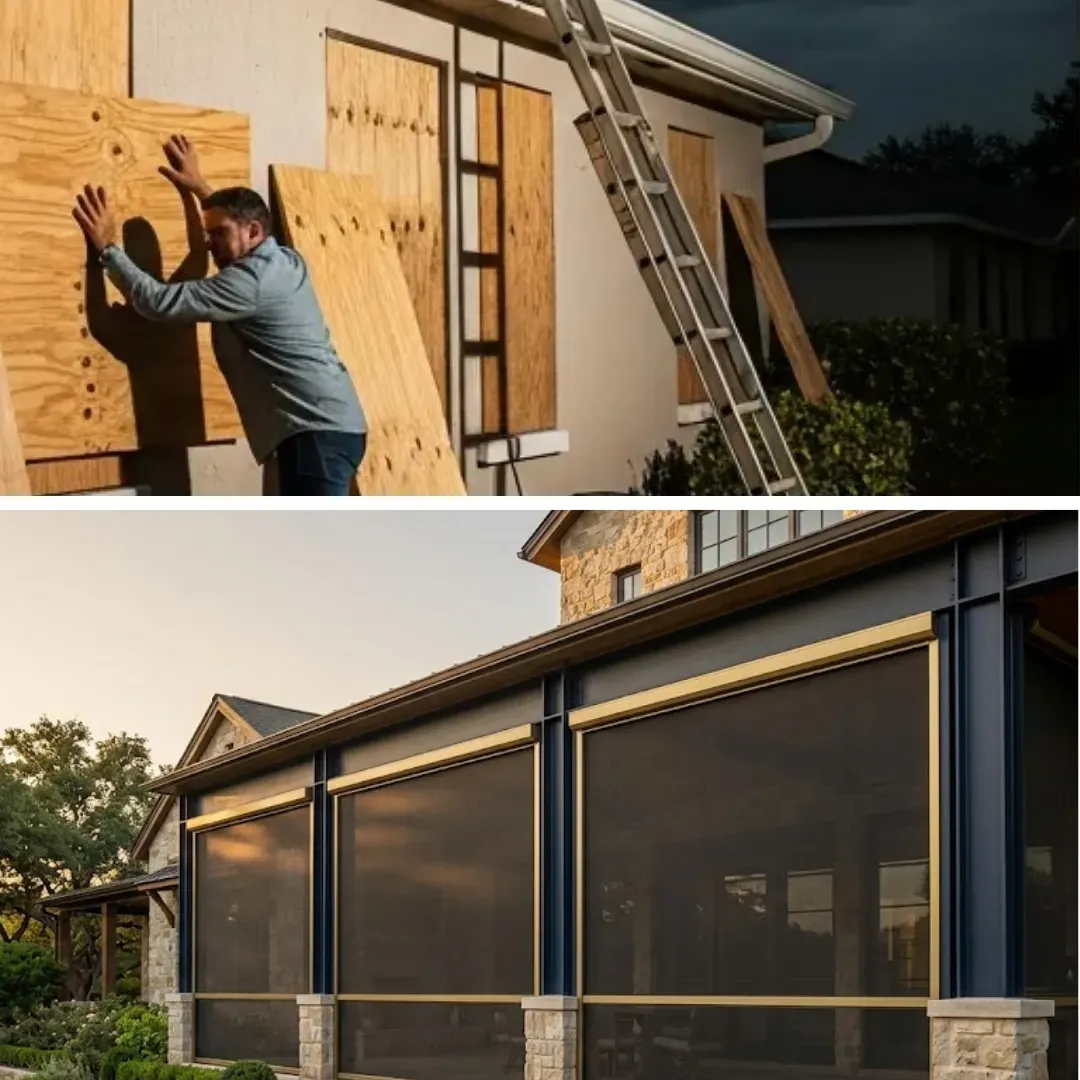
One Decision, Every Season After: Permanent Protection vs. Annual Scrambling
Two homeowners, one warning, two Thursdays. One scrambles for plywood; one presses a button. See the real lifetime math behind permanent hurricane protection vs. annual scrambling — and why the decision costs less than you think. Read more...
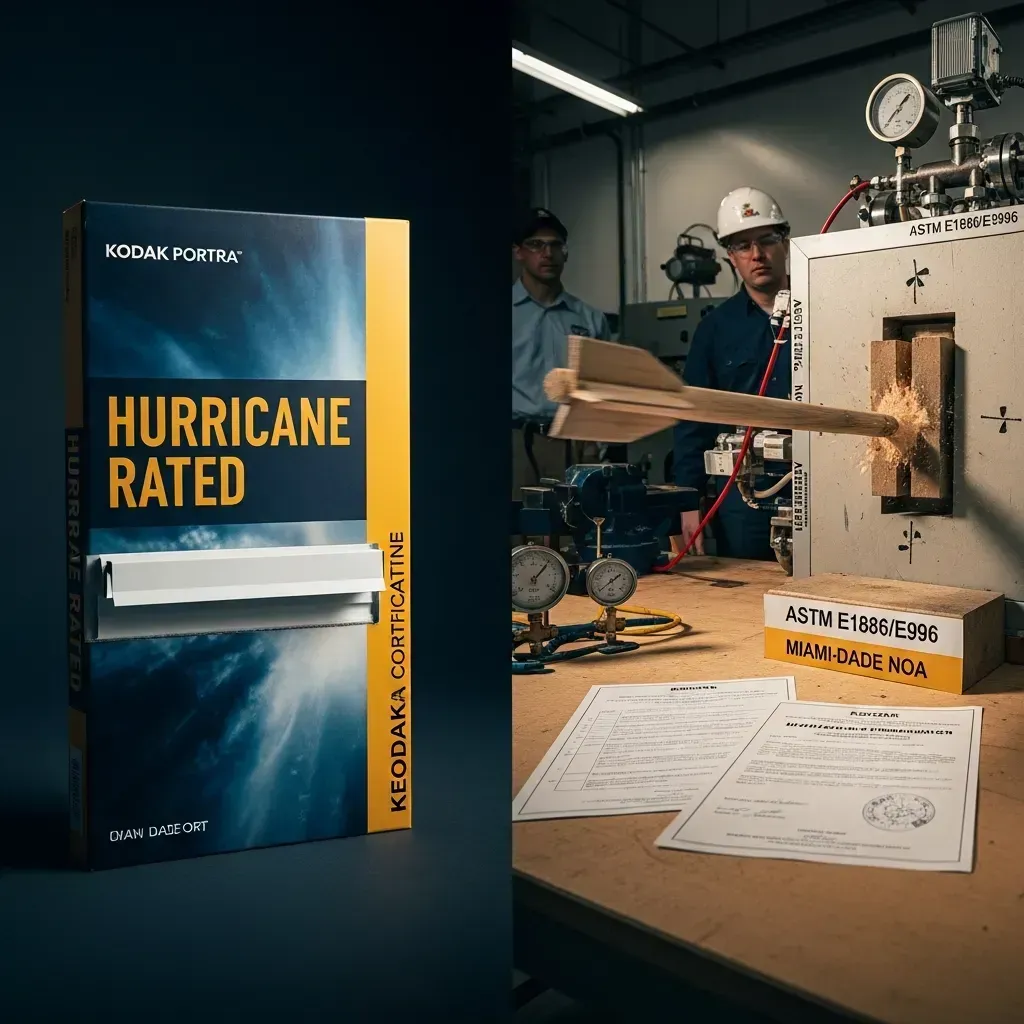
What 'Hurricane Rated' Actually Means: Testing Standards vs. Marketing Language
Hurricane rated" isn't a regulated term — anyone can print it on a box. Learn what ASTM E1996 and Miami-Dade TAS 201/202/203 actually test, and seven questions to ask before you trust any contractor's claim. Read more...
Category 3 Major Hurricane: 111-129 MPH Winds & Devastating Damage
Category 3 major hurricanes cause devastating damage with 111-129 mph winds. Learn why Katrina and Alicia changed communities forever at this threshold. Read more...



