
KNOWLEDGE IS POWER
MaxForce™ Hurricane Screens Blog Archives
Hurricane screen guides for homeowners — written by state, by storm season, and by the code, permit, and insurance questions people actually ask before they buy hurricane-rated screens.

Hurricane Protection Tips
Practical, timing-driven guidance for homeowners — when to install, what insurance actually covers, and why waiting until storm season costs more than acting in the off-season.
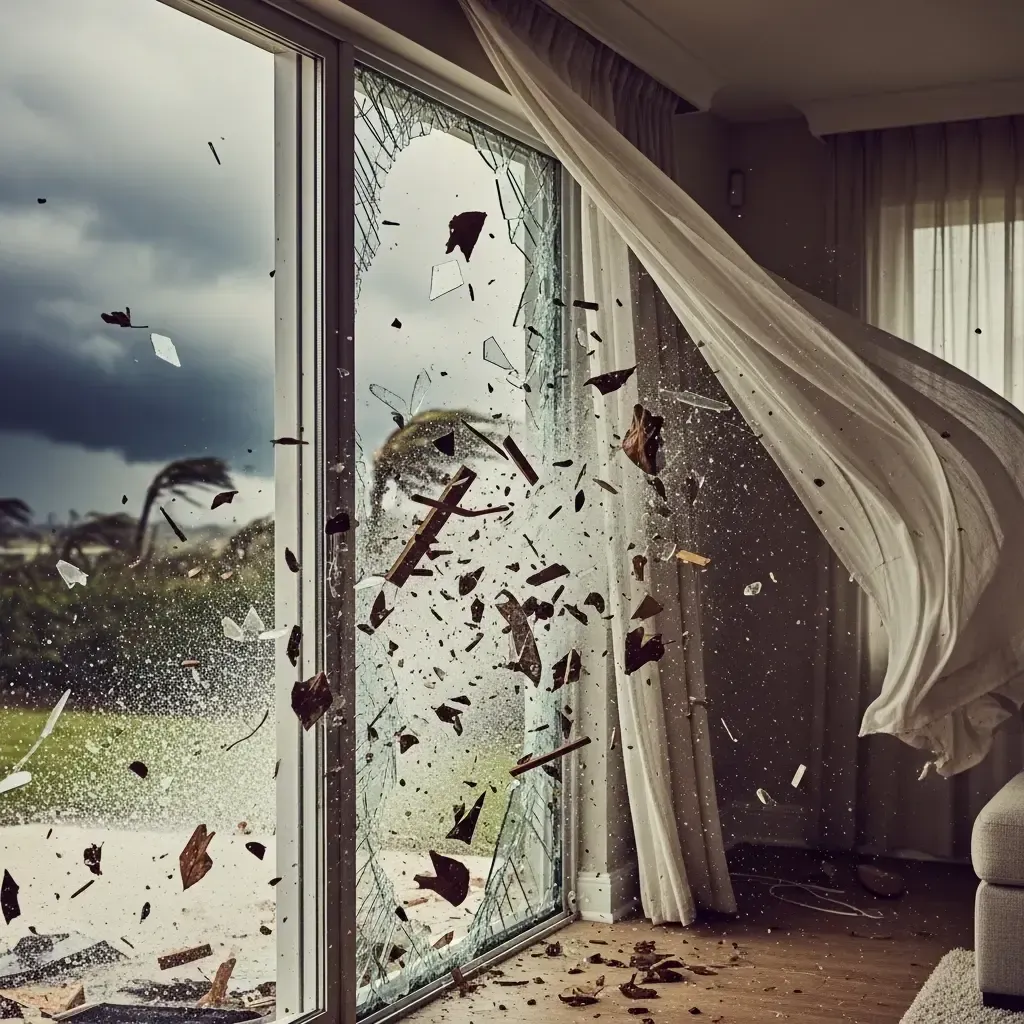
The Single Point of Failure That Determines If Your Home Survives a Hurricane
Most hurricane damage starts with a single opening. Learn the building science behind cascading structural failure — and the one intervention that prevents it. For more information, click the read full article button below.
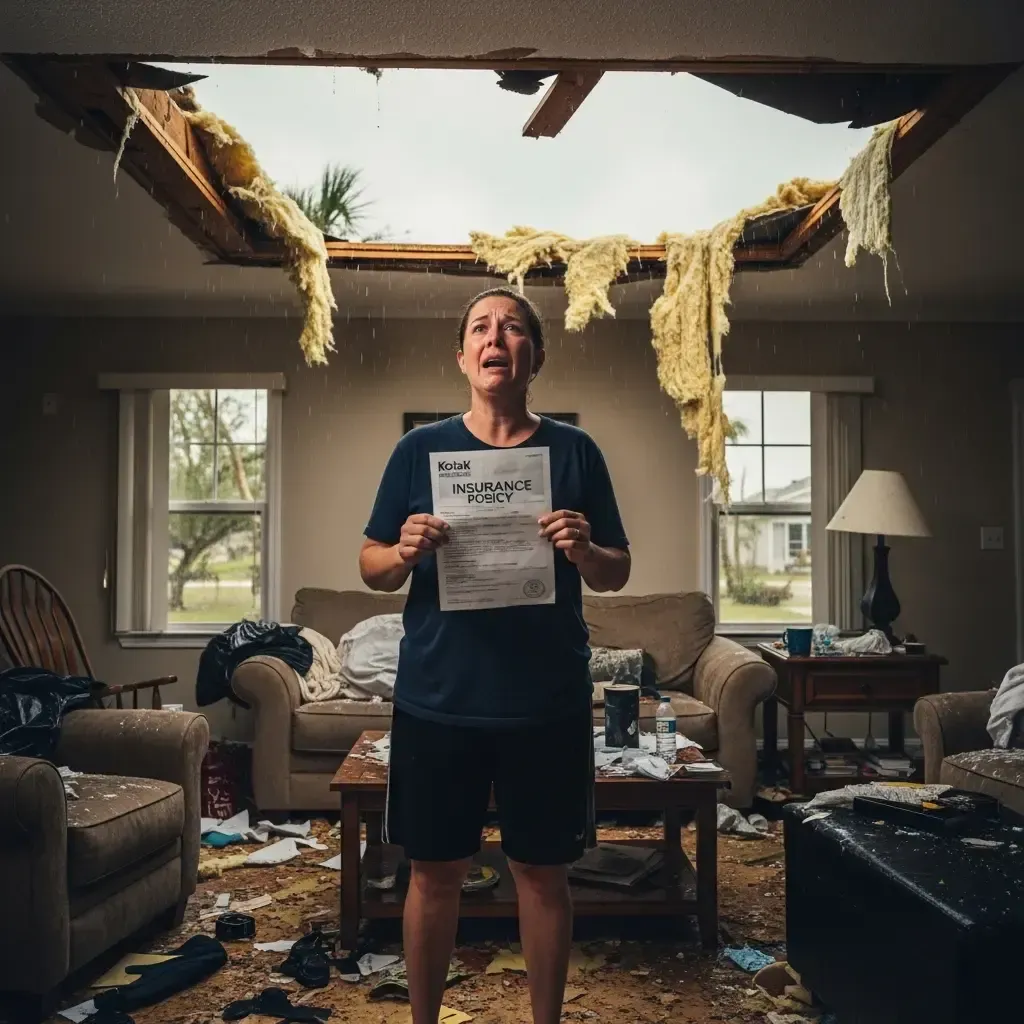
What Your Insurance Actually Covers in a Hurricane — And the Gaps That Could Cost You Everything
Most Florida homeowners assume they're covered. They're not. Discover the four hidden gaps in your policy — hurricane deductibles, flood exclusions, wind-vs-water disputes, and building envelope claims — before the next storm tests them. For more information, click the read full article button below.
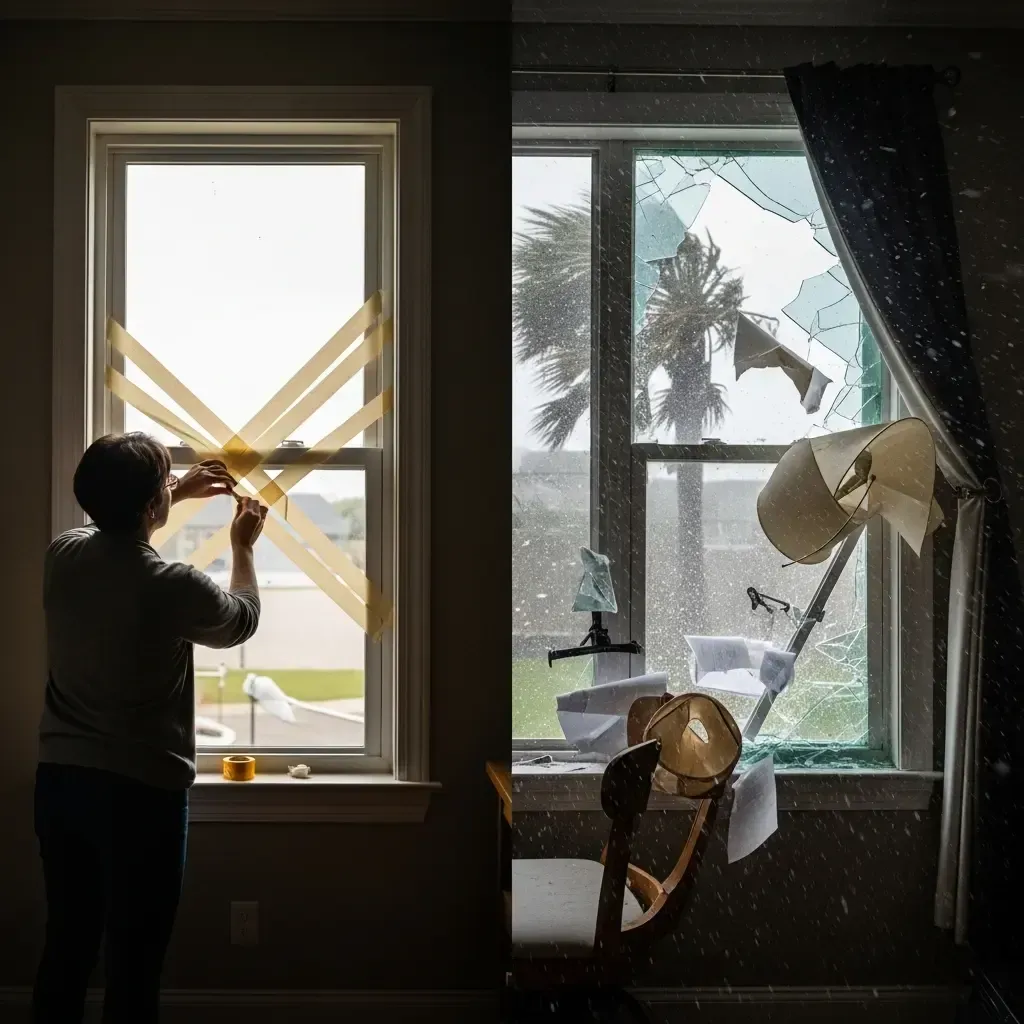
5 Hurricane Preparation ‘Rules’ That Science Has Exposed as Dangerous
Taping windows, cracking one open, nailing up plywood — the hurricane prep "rules" you grew up with. Engineering and science show why each myth can make storm damage worse, not better. Here's what actually protects your home. For more information, click the read full article button below.
MAXFORCE™ MOTORIZED HURRICANE SCREEN
Contact Certified MaxForce™ Screen Dealer Today...
The Hurricane Zone
A category-by-category breakdown of what each hurricane classification actually means for your home, plus the expanding geography of risk reaching well beyond the coastline homeowners used to worry about.
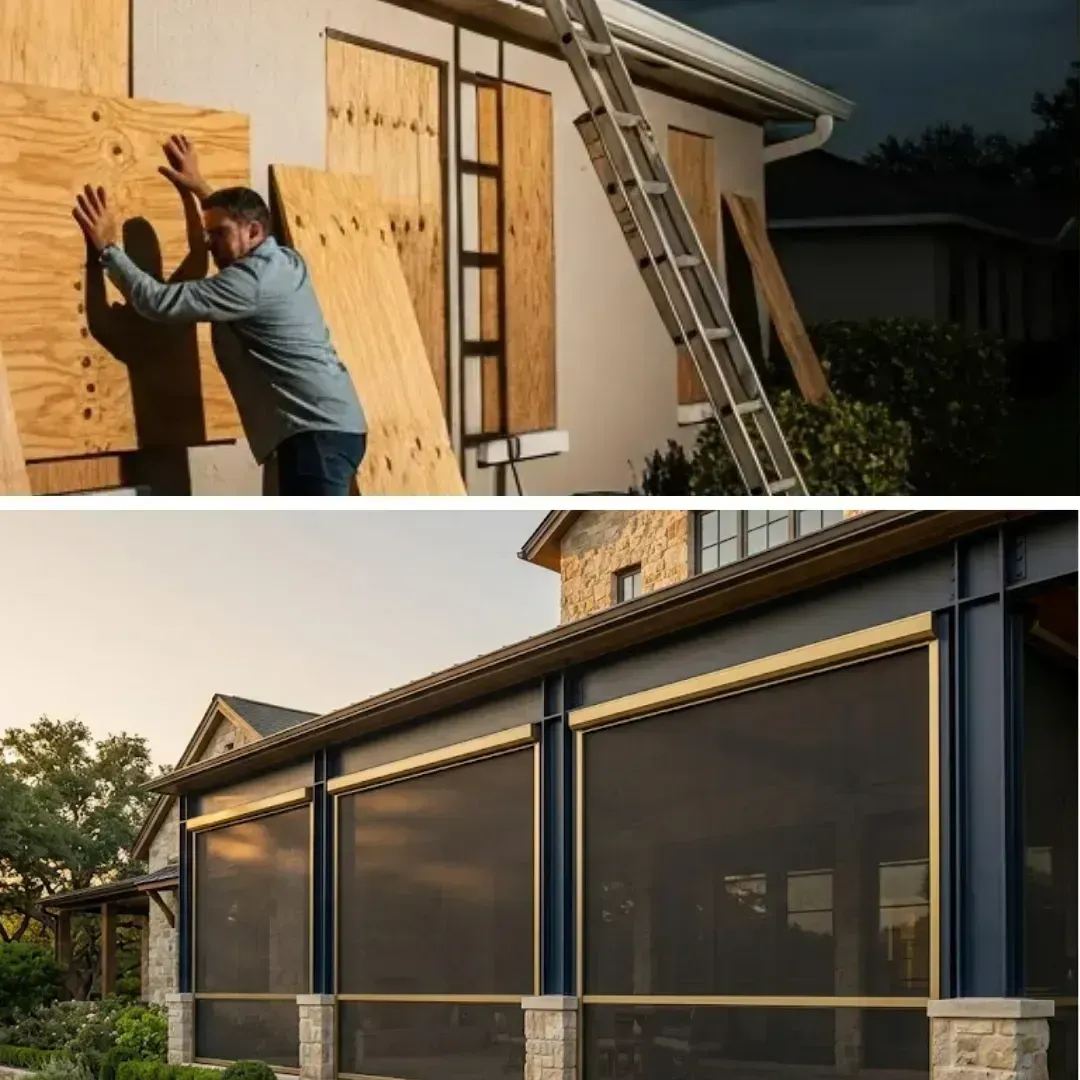
One Decision, Every Season After: Permanent Protection vs. Annual Scrambling
Two homeowners, one warning, two Thursdays. One scrambles for plywood; one presses a button. See the real lifetime math behind permanent hurricane protection vs. annual scrambling — and why the decision costs less than you think. For more information, click the read full article button below.
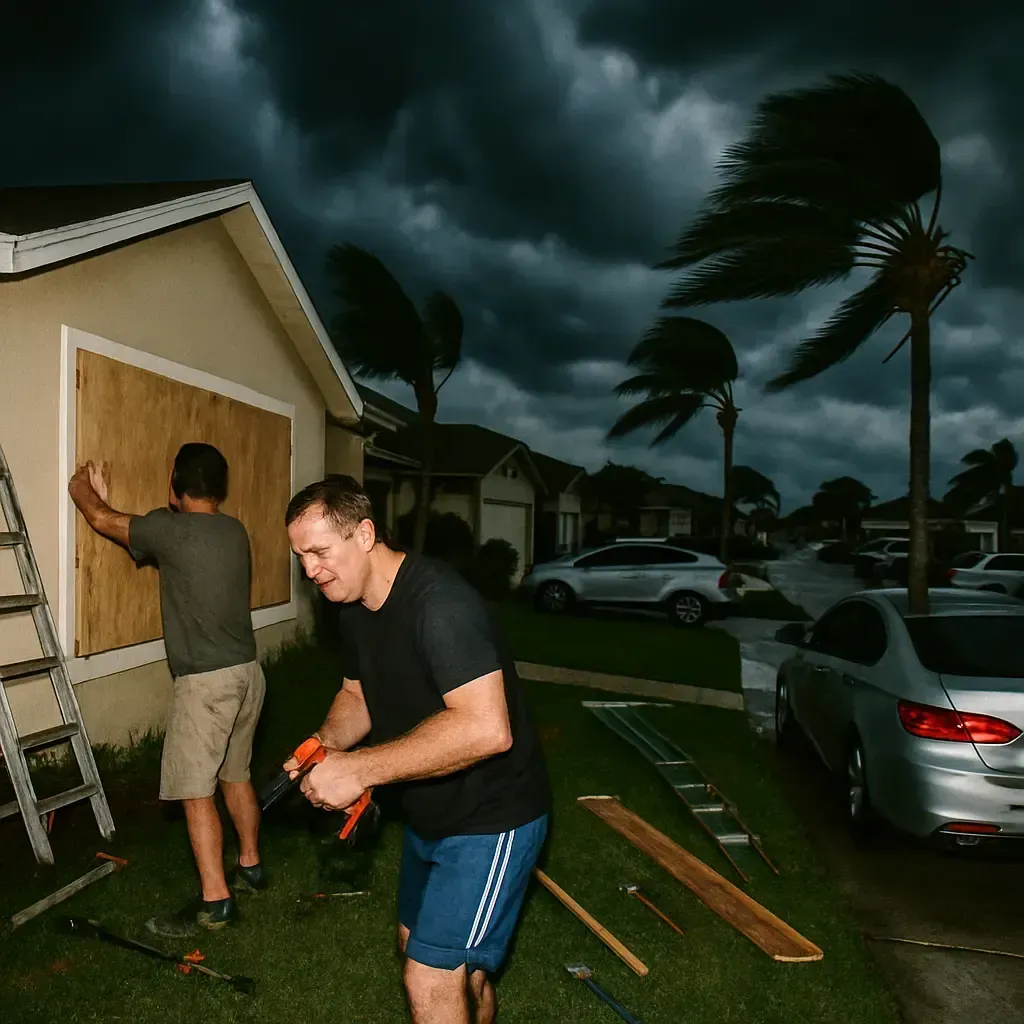
Why Most Hurricane Preparation Fails Before the Storm
The pattern of reactive hurricane preparation is predictable — and preventable. Learn the psychology behind delay and how to break the cycle before June 1. For more information, click the read full article button below.

Beyond Florida: The Expanding Geography of Hurricane Risk Most Homeowners Aren't Preparing For
Asheville sits 300 miles inland at 2,134 feet — then Hurricane Helene flooded it. Discover how hurricane risk now reaches the Gulf Coast, the Carolinas, and 25+ inland states never designed for this kind of damage.For more information, click the read full article button below.
MAXFORCE™ MOTORIZED HURRICANE SCREEN
Contact Certified MaxForce™ Screen Dealer Today...
Buyers Guides
Honest, side-by-side comparisons — MaxForce™ 365 versus traditional screens, shutters versus impact glass — built to help you decide with real information instead of manufacturer marketing.
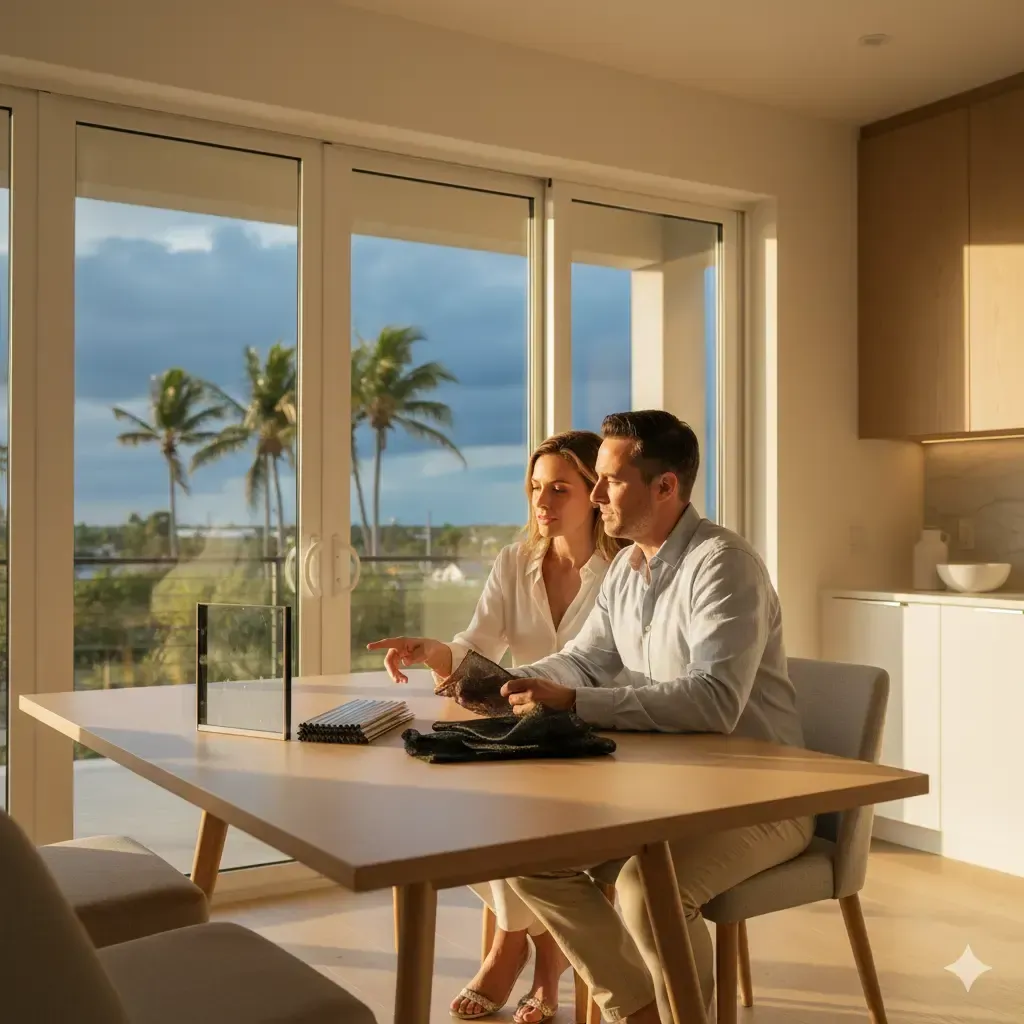
Shutters vs. Screens vs. Impact Glass: An Honest Comparison for 2026
Tired of sales pitches? We break down honest pros and cons of the five major hurricane protection options for 2026 — from impact glass's "always-on" convenience to modern screens' visibility. Find which system fits your home, budget, and lifestyle. For more information, click the read full article button below.
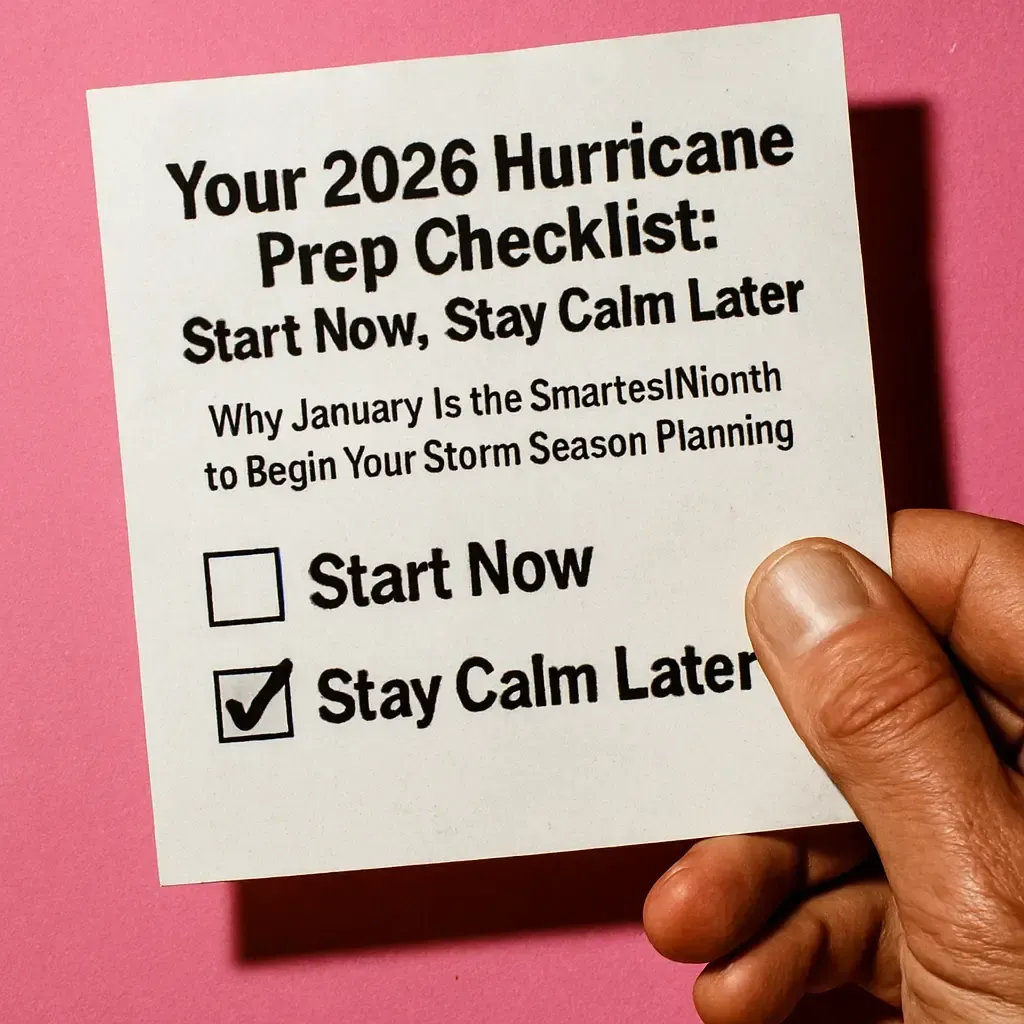
Your 2026 Hurricane Prep Checklist
Don't wait for June to scramble. Our 2026 Hurricane Prep Checklist explains why January is the best time to review insurance, fortify your home, and install storm protection. Get ahead of the season and stay calm when the storms arrive. For more information, click the read full article button below.
MAXFORCE™ MOTORIZED HURRICANE SCREEN
Contact Certified MaxForce™ Screen Dealer Today...
Press Releases
Official announcements from MaxForce™ and Fenetex — new product launches, network updates, and news straight from the source.
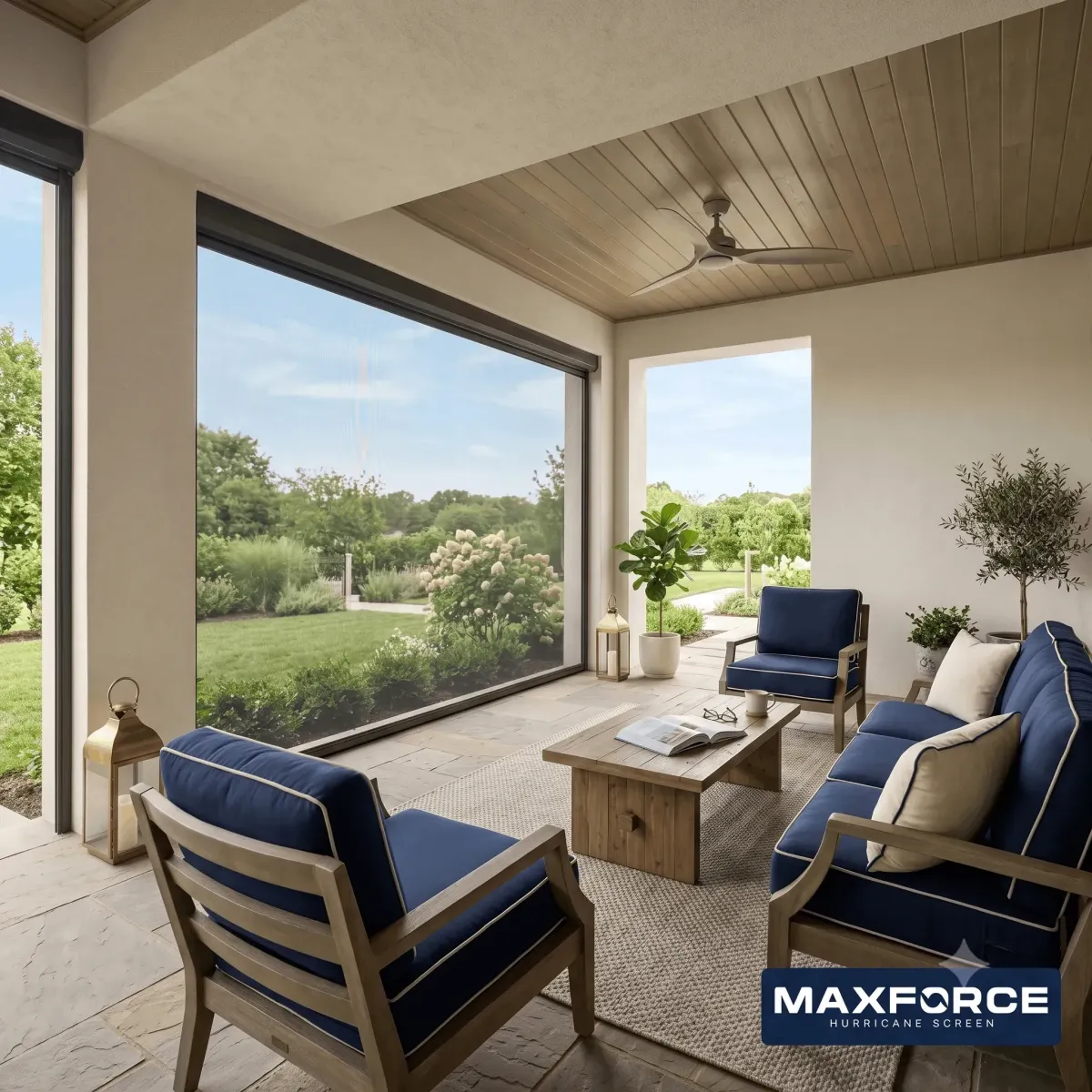
Introducing MaxForce™ 365 | Every Season, Every Storm
MaxForce™ 365 is here — the hurricane screen you trusted for the storm, re-engineered for everyday living. Tested and certified for the 185mph wind zone, now silent and self-adjusting.. For more information, click the read full article button below.

Welcome to MaxForce™ Hurricane News
Your source for hurricane protection tips, motorized screen insights, storm prep guides, and expert advice on safeguarding your home during hurricane season. For more information, click the read full article button below.
MAXFORCE™ MOTORIZED HURRICANE SCREEN
Contact Certified MaxForce™ Screen Dealer Today...
Insights & Technology
The engineering behind the product: how the self-adjusting track works, how a hurricane screen seals a building envelope in seconds, and what "hurricane rated" actually means versus what gets marketed as such.
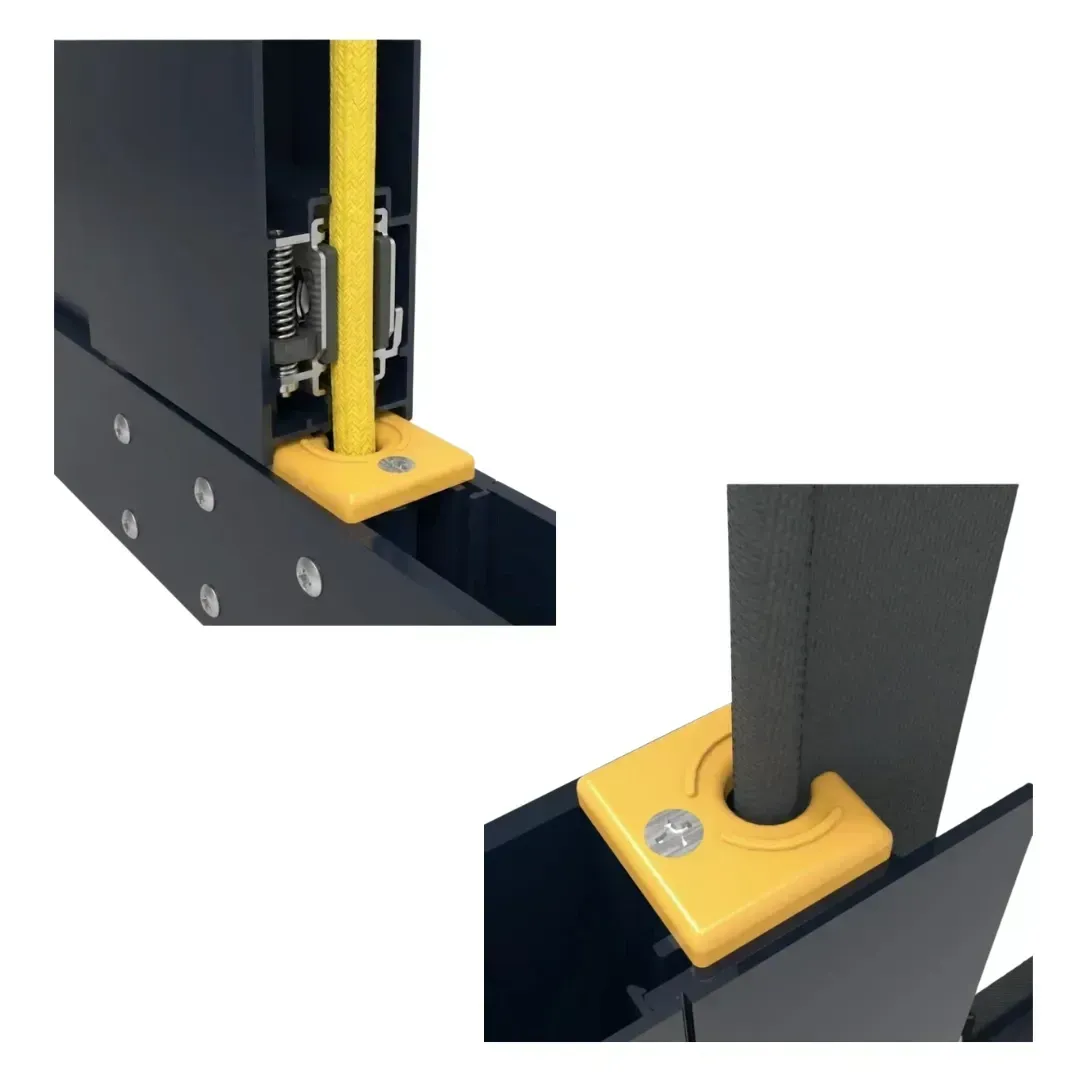
How the MaxForce™ 365 Self-Adjusting Track Works
Inside MaxForce™ 365's self-adjusting spring-retention track: how it holds fabric tension even through heat and humidity for quiet, smooth, year-round operation. For more information, click the read full article button below.
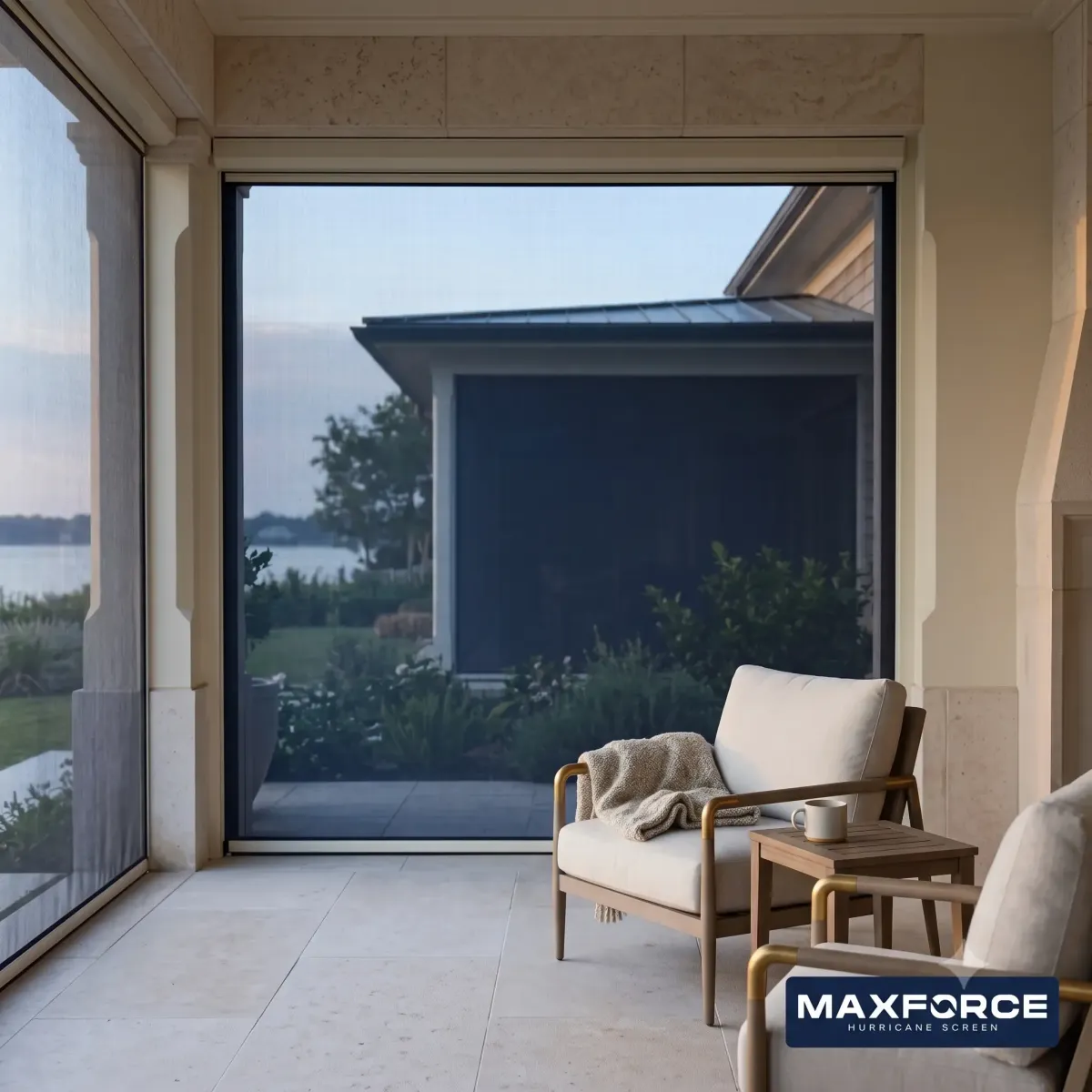
Are Motorized Screens Noisy? Why MaxForce™ 365 Is Quiet
Are motorized hurricane screens noisy? Most noise comes from loose tension and magnetic tracks. Here's why MaxForce™ 365's spring-retention system runs silent. For more information, click the read full article button below.
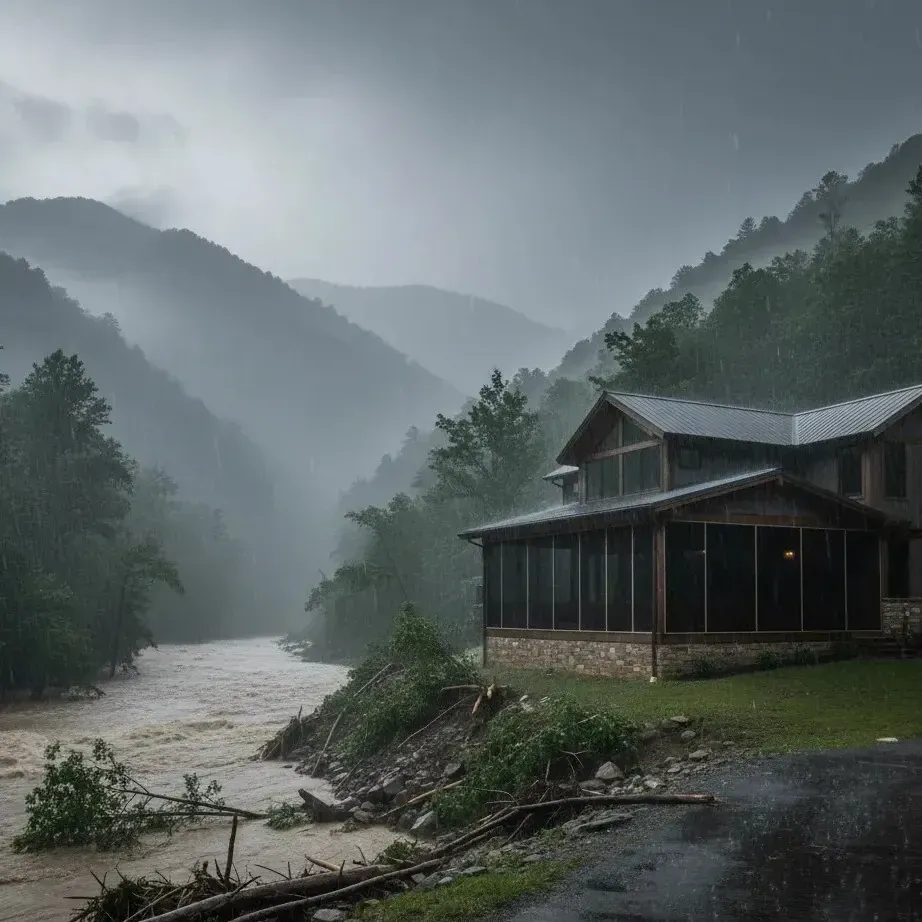
Hurricane Helene Changed Everything: Why Inland Homeowners Are Now Prioritizing Storm Protection
"The mountains were supposed to be safe." Helene flooded Asheville, exposing the inland insurance gap and changing how far-inland homeowners see risk. For more information, click the read full article button below.
MAXFORCE™ MOTORIZED HURRICANE SCREEN
Contact Certified MaxForce™ Screen Dealer Today...
Lanai and Patio Transformation Ideas
The engineering behind the product: how the self-adjusting track works, how a hurricane screen seals a building envelope in seconds, and what "hurricane rated" actually means versus what gets marketed as such.
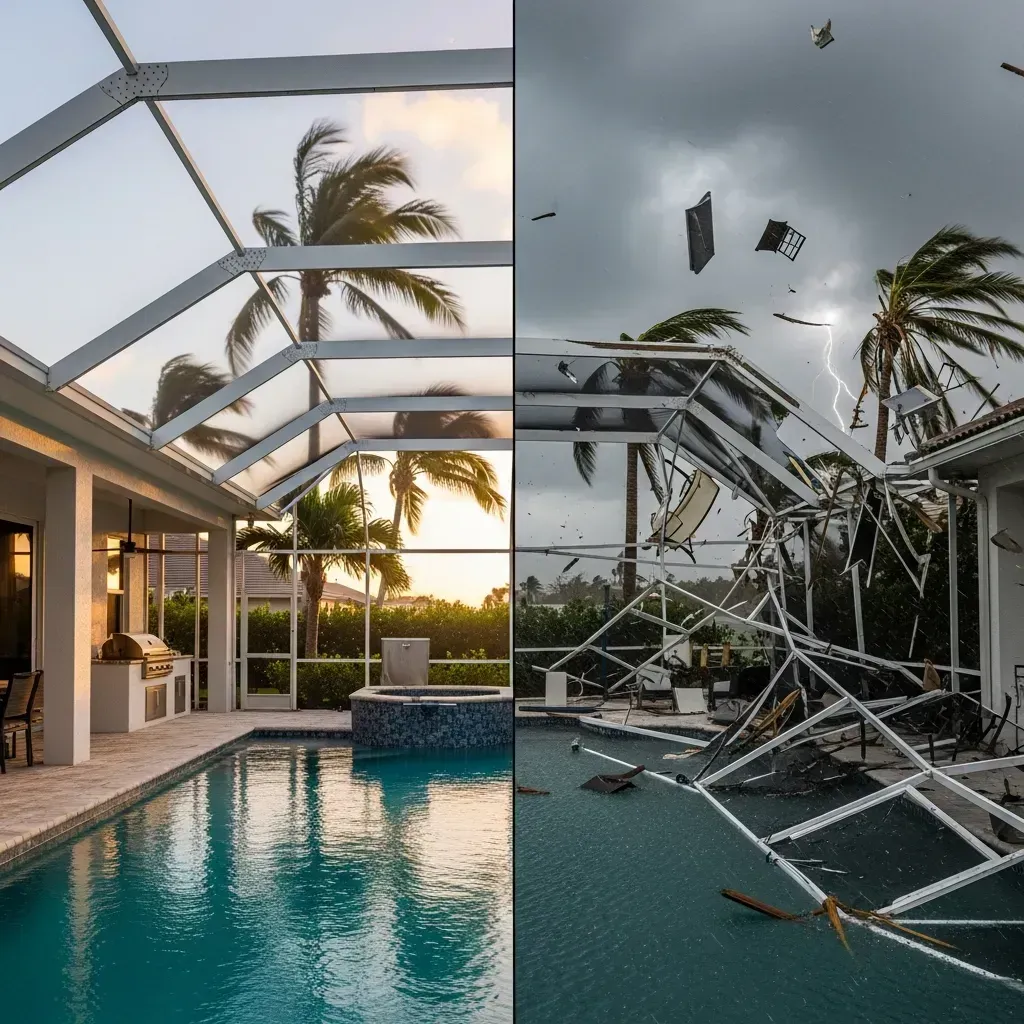
Your Lanai, Pool Cage Outdoor Kitchen: The Most Expensive Hurricane Vulnerability on Your Property
Your lanai, pool cage, and outdoor kitchen are the weakest structures on your property. Standard screen enclosures aren't hurricane-rated — and replacement can cost $30,000 to $80,000, often uninsured. For more information, click the read full article button below.
MAXFORCE™ MOTORIZED HURRICANE SCREEN
Contact Certified MaxForce™ Screen Dealer Today...
MaxForce™ 365
MaxForce™ 365 isn't a new product — it's a new way to live with the screen you trust. One screen, powered by Quiet Spring Technology™, for every day, every season, every storm.
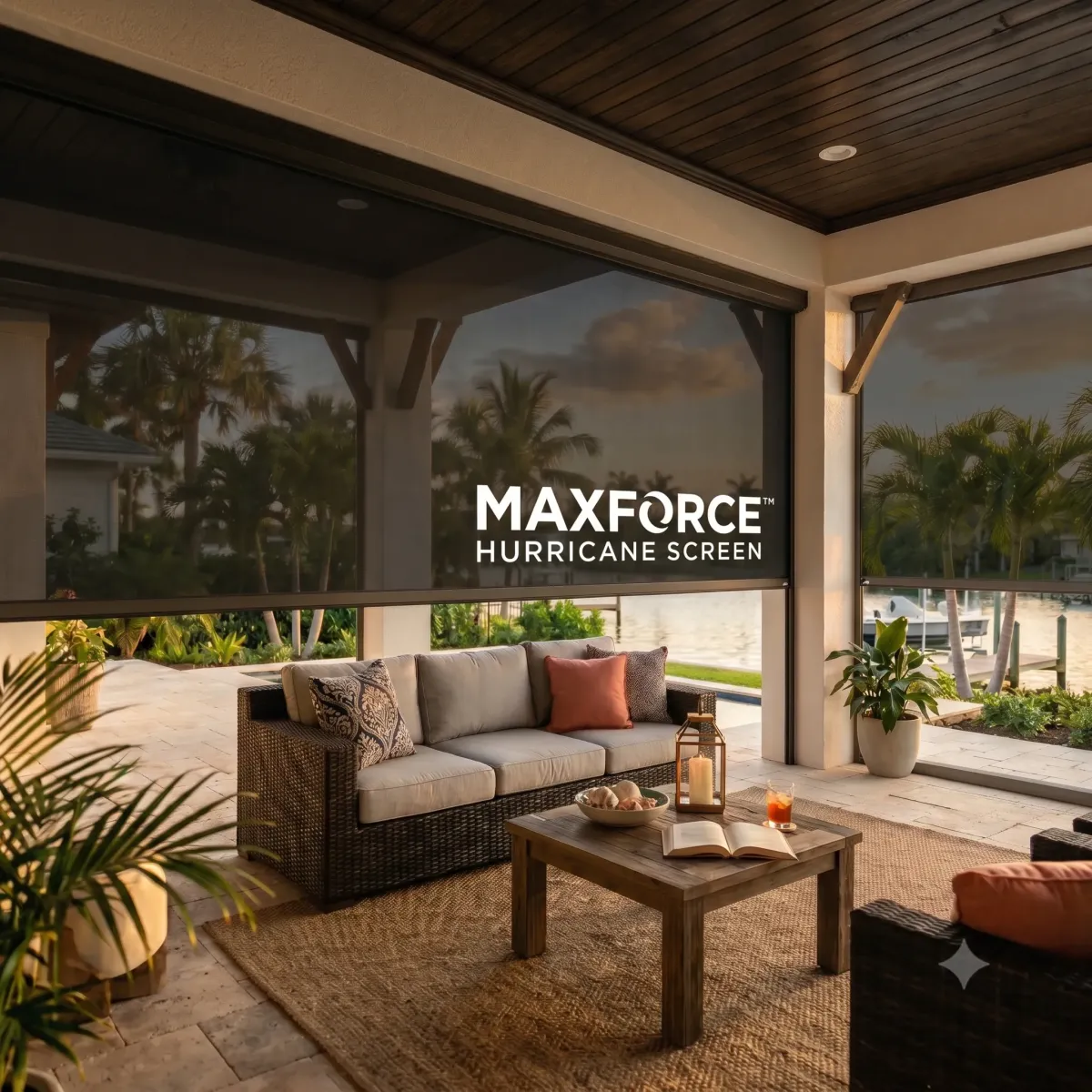
MaxForce™ Hurricane Screens | Proven Florida Wind Protection
Motorized MaxForce™ Hurricane Screens — engineered for HVHZ winds up to 185 mph. Proven storm protection and everyday outdoor living, made in the USA. For more information, click the read full article button below.
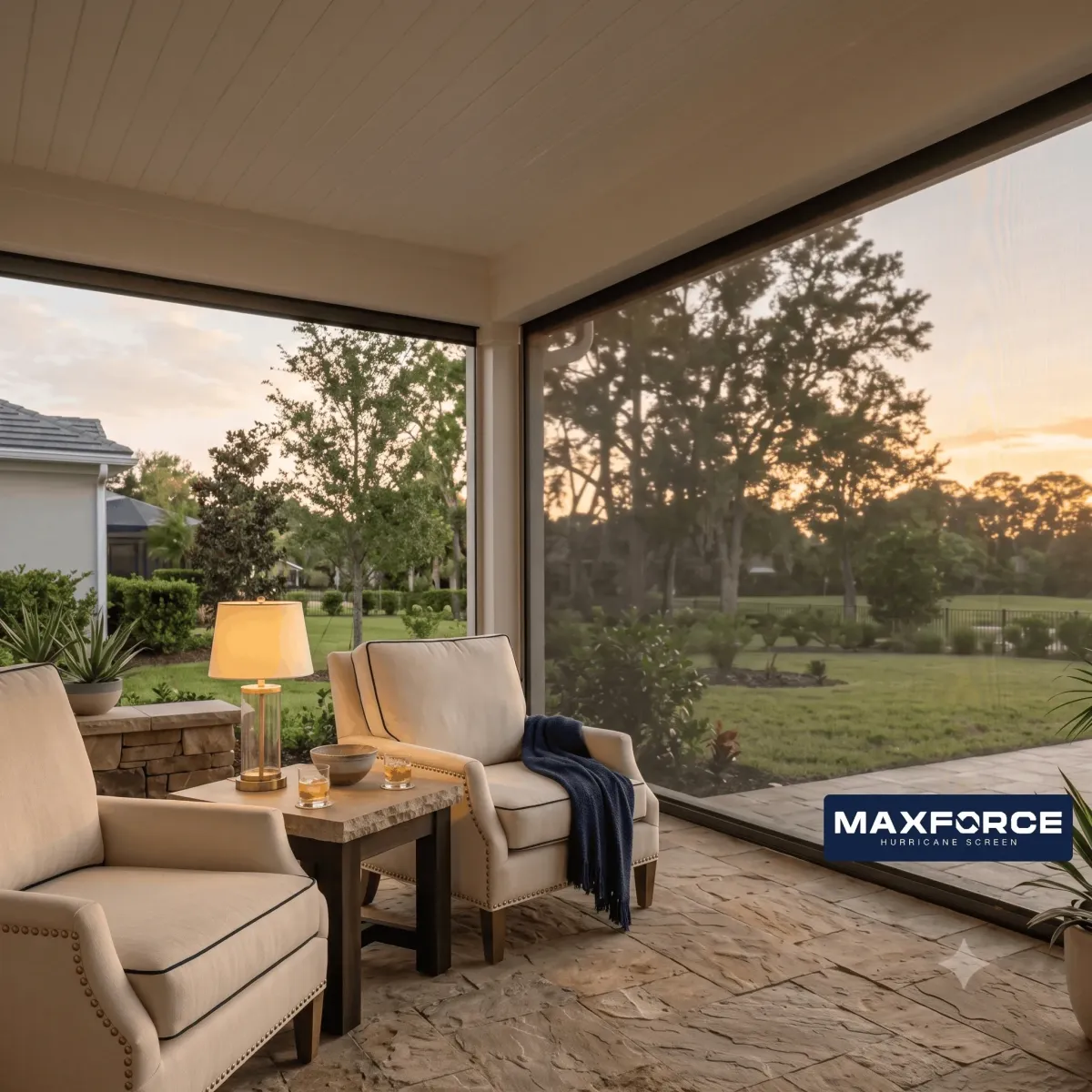
What MaxForce™ 365 Means: One Screen for Every Day
MaxForce™ 365 isn't a hurricane screen you wait to use. It's built for all 365 days: daily comfort, year-round readiness, and 185 MPH storm protection. For more information, click the read full article button below.
How the MaxForce™ 365 Self-Adjusting Track Works
Inside MaxForce™ 365's self-adjusting spring-retention track: how it holds fabric tension even through heat and humidity for quiet, smooth, year-round operation. For more information, click the read full article button below.



