Motorized Hurricane Screen
Why Maxforce

MAXFORCE PROVEN PROTECT
Engineered For Excellence
For nearly two decades, MaxForce has manufactured hurricane screens to meet the most demanding building code, the High Velocity Hurricane Zone of Miami-Dade. The MaxForce track is our newest version of the fixed track we have used with great success for high wind applications all over the globe.
The benefits of a fixed track are unmatched strength - this is important when designing a screen system for hurricanes. When you want the strongest system available, and a proven veteran of many hurricanes, the MaxForce Hurricane Track is your best choice.
MAXFORCE THE #1 MOTORIZED HURRICANE SCREEN
Contact A+ Certified MaxForce Screen Dealer Today...
MAXFORCE HURRICANE SCREENS
Engineering Features
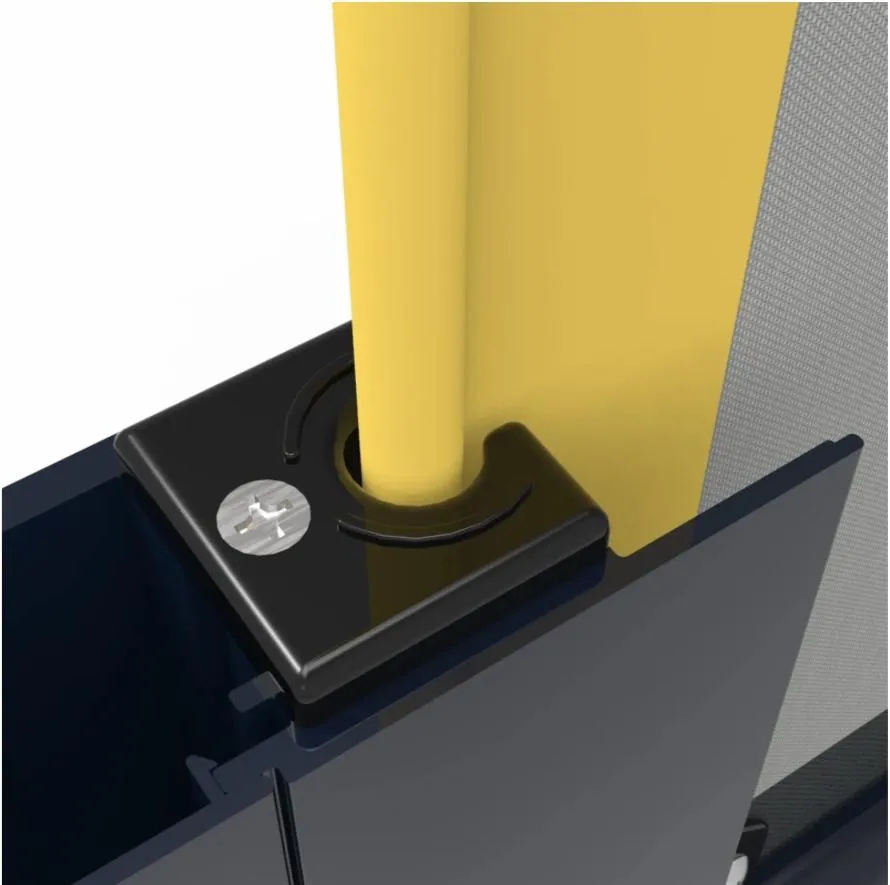
No blowouts. No rewraps. No frustration.
MaxForce is the only retractable screen system on the market designed to stay locked in the track—even in high winds. Smart motor senses resistance and adjusts seamlessly, allowing self-correction when the screen encounters an obstacle: Fewer snags, fewer jams, and fewer costly service calls.
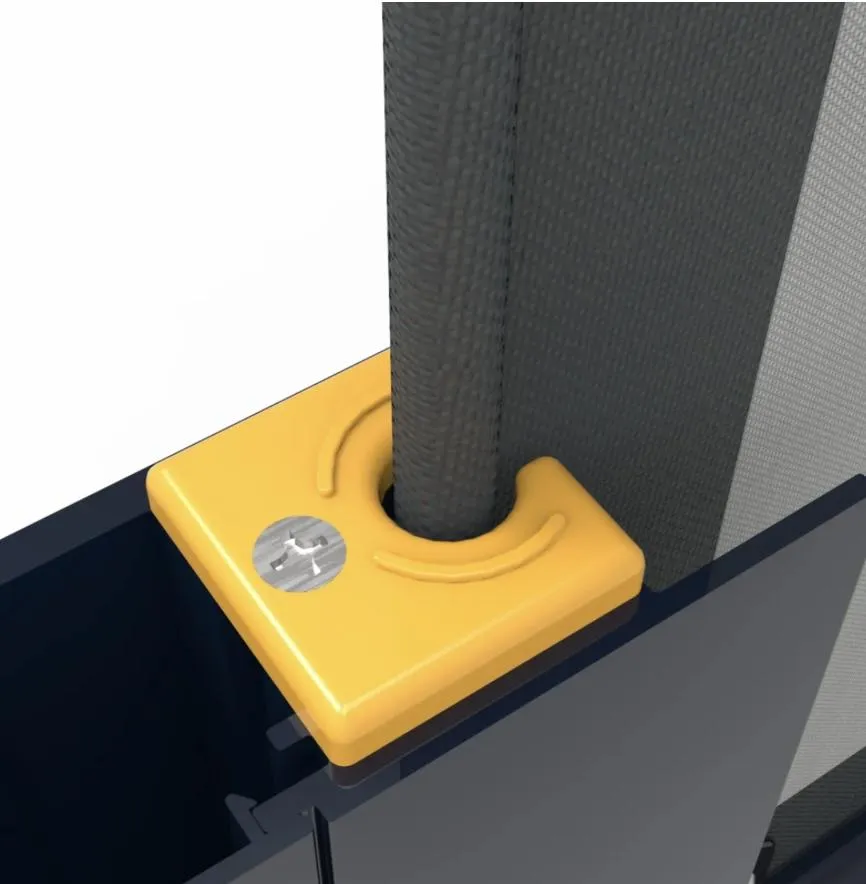
No Zipper. No Cable. Just Simple Deployment
MaxForce pioneered Keder-edge technology in motorized screens, delivering unmatched durability and simplicity. Borrowed from sailboat rigging, this system eliminates zippers, cables, and exposed hardware—ensuring smooth, reliable operation every time.
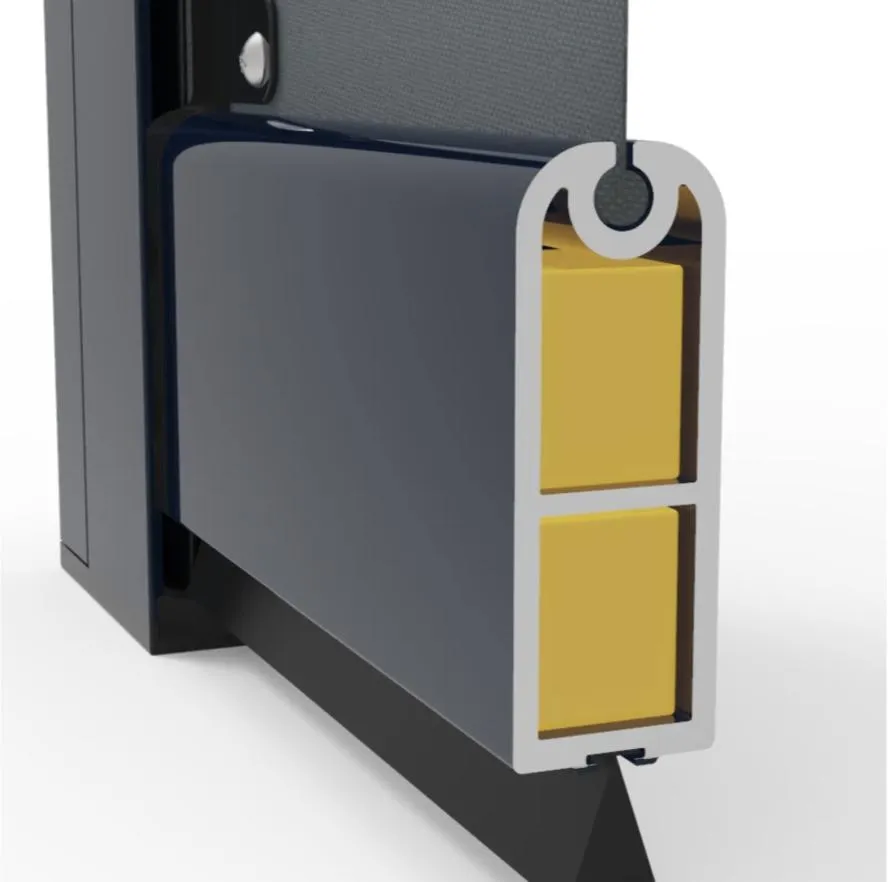
Heavy Duty
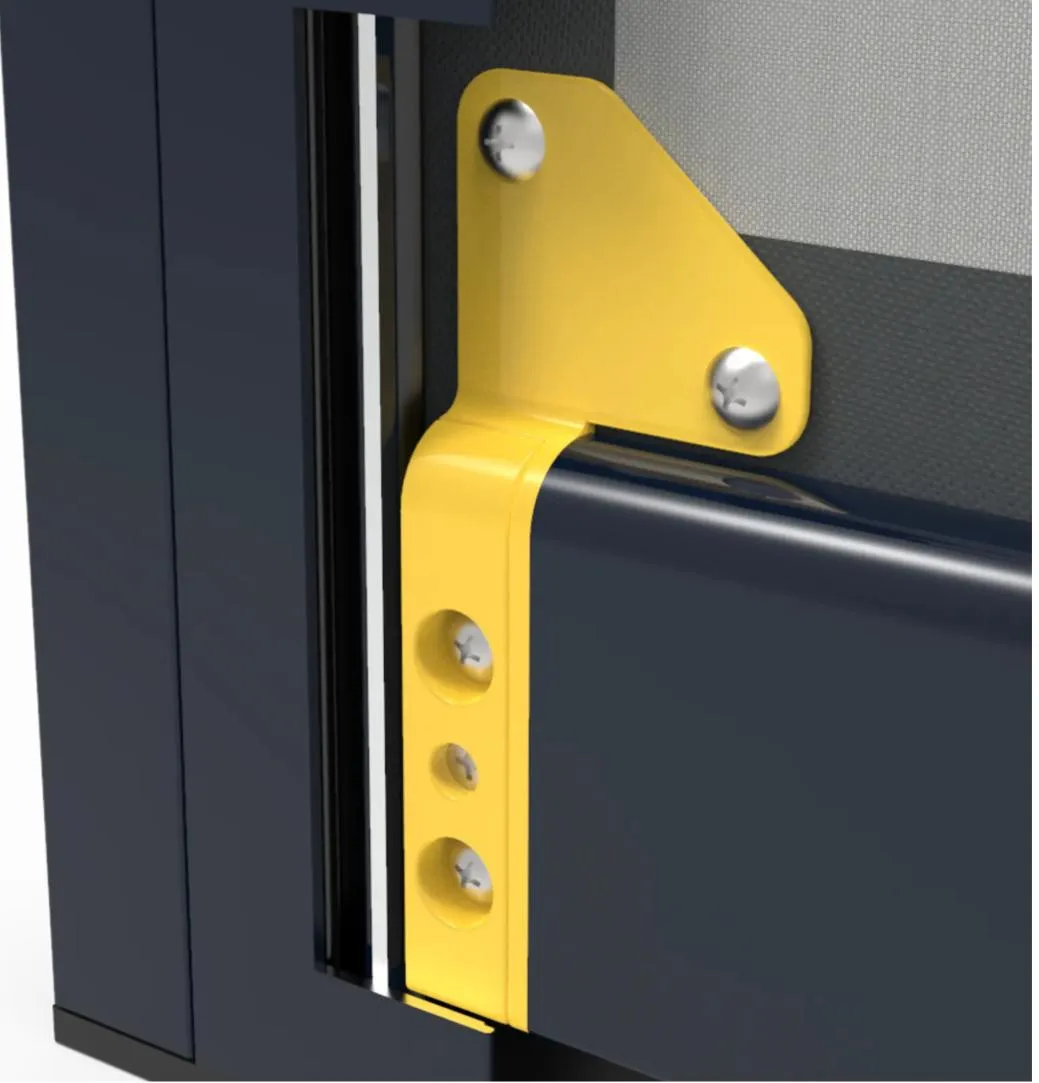
The MaxForce weight bar is engineered for strength—and built to hold its ground. Pound for pound, it’s the heaviest and most robust weight bar in the industry. This ensures proper screen tension, flawless deployment, and maximum stability in high wind zones. —limited flex, no failure.
Reinforced Corners
MaxForce’s heavy-duty weight bar isn’t just strong. It’s smart. Reinforced corners and integrated tie-ins create a unified structure that acts like a solid wall of protection when deployed. Made from high-strength nylon, this bar absorbs impacts while maintaining structural integrity.
Motorized Hurricane Screen
Why Maxforce
MAXFORCE PROVEN PROTECT
Engineered For Excellence
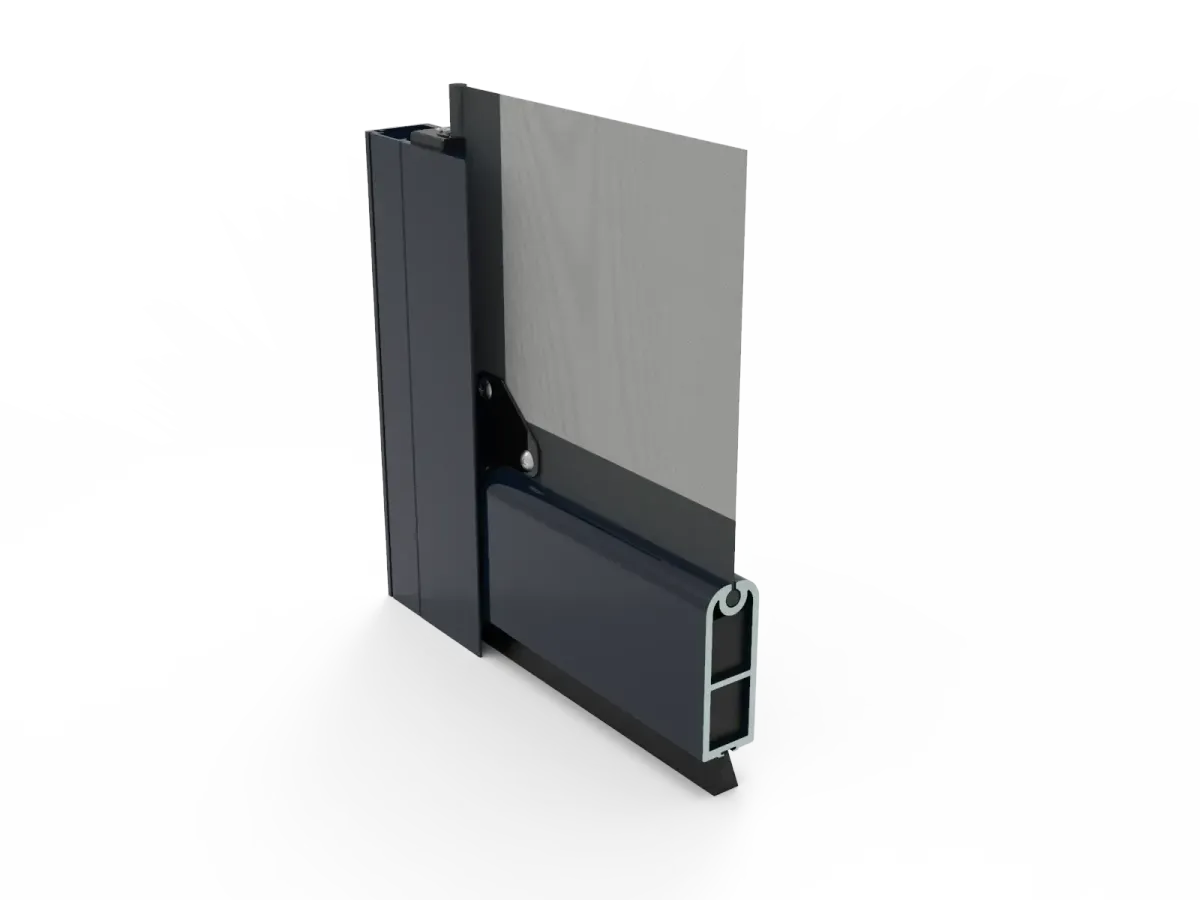
For nearly two decades, MaxForce has manufactured hurricane screens to meet the most demanding building code, the High Velocity Hurricane Zone of Miami-Dade. The MaxForce track is our newest version of the fixed track we have used with great success for high wind applications all over the globe.
The benefits of a fixed track are unmatched strength - this is important when designing a screen system for hurricanes. When you want the strongest system available, and a proven veteran of many hurricanes, the MaxForce Hurricane Track is your best choice.
MAXFORCE THE #1 MOTORIZED
HURRICANE SCREEN
Contact A+ Certified MaxForce Screen
Dealer Today...
MAXFORCE HURRICANE SCREENS
Engineering Features
No blowouts. No rewraps.
No frustration.
MaxForce is the only retractable screen system on the market designed to stay locked in the track—even in high winds. Smart motor senses resistance and adjusts seamlessly, allowing self-correction when the screen encounters an obstacle: Fewer snags, fewer jams, and fewer costly service calls.
No Zipper. No Cable.
Just Simple Deployment
MaxForce pioneered Keder-edge technology in motorized screens, delivering unmatched durability and simplicity. Borrowed from sailboat rigging, this system eliminates zippers, cables, and exposed hardware—ensuring smooth, reliable operation every time.
Heavy Duty
The MaxForce weight bar is engineered for strength—and built to hold its ground. Pound for pound, it’s the heaviest and most robust weight bar in the industry. This ensures proper screen tension, flawless deployment, and maximum stability in high wind zones. —limited flex, no failure.
Reinforced Corners
MaxForce’s heavy-duty weight bar isn’t just strong. It’s smart. Reinforced corners and integrated tie-ins create a unified structure that acts like a solid wall of protection when deployed. Made from high-strength nylon, this bar absorbs impacts while maintaining structural integrity.

HEADACHE-FREE
Exclusive self-tensioning system eliminates 99.9% of screen issues. No track adjustments, broken zippers, or dislodged screens.

LIFETIME WARRANTY
Exterior shade screens reduce cooling bills and MaxForce hurricane screens reduce insurance premiums in hurricane zones.
HURRICANE STRONG
Our MaxForce tracks and advanced hybrid ballistic fabrics withstand 150+ mph winds. Approved by Florida Building Commission for hurricane zones. Lab and real-world tested.
BUILT TO LAST
We use marine-grade materials such as powder-coated aluminum, UV-protected nylons, stainless steel fasteners, and premium fabrics. Resists corrosion, rust, and screen failure.

COST-SAVING
Exterior shade screens reduce cooling bills and MaxForce hurricane screens reduce insurance premiums in hurricane zones.
SMART CONTROLS
Control MaxForce screens via remote and
phone or integrate with popular home automation systems for advanced
capabilities.

SECURE TRACK
MaxForce Fix Hurricane Track holds firm under extreme loads

MAX CORROSION PROTECTION
Powder Coated Aluminum Protects your investment from exposer and corrosion.

HEAVY-DUTY DESIGN
Our screens are designed to withstand the extreme. High wind, Rain, or Shine, Dust Dirt, Dander, it doesn't matter. MaxForce Cover it all.

CUSTOM-MADE SCREENS
Tailor-made screens with vast color, fabric, and system options. Custom paint color and fabric matching are available.
MAXFORCE THE #1 MOTORIZED HURRICANE SCREEN
Contact A+ Certified MaxForce Screen Dealer Today...
HEADACHE-FREE
Exclusive self-tensioning system eliminates 99.9% of screen issues.
No track adjustments, broken zippers,
or dislodged screens.
LIFETIME WARRANTY
Exterior shade screens reduce cooling
bills and MaxForce hurricane screens
reduce insurance premiums in
hurricane zones.
HURRICANE STRONG
Our MaxForce tracks and advanced hybrid ballistic fabrics withstand
150+ mph winds. Approved by Florida Building Commission for hurricane
zones. Lab and real-world tested.
BUILT TO LAST
We use marine-grade materials such
as powder-coated aluminum, UV-protected nylons, stainless steel
fasteners, and premium fabrics. Resists corrosion, rust, and screen failure.
COST-SAVING
Exterior shade screens reduce cooling
bills and MaxForce hurricane screens
reduce insurance premiums in
hurricane zones.
SMART CONTROLS
Control MaxForce screens via remote and
phone or integrate with popular home automation systems for advanced
capabilities.
SECURE TRACK
MaxForce Fix Hurricane Track holds firm under extreme loads
MAX CORROSION PROTECTION
Powder Coated Aluminum Protects your investment from exposer and corrosion.
HEAVY-DUTY DESIGN
Our screens are designed to withstand
the extreme. High wind, Rain, or Shine,
Dust Dirt, Dander, it doesn't matter. MaxForce Cover it all.
CUSTOM-MADE SCREENS
Tailor-made screens with vast color, fabric, and system options. Custom
paint color and fabric matching are available.
MAXFORCE THE #1 MOTORIZED
HURRICANE SCREEN
Contact A+ Certified MaxForce Screen
Dealer Today...
MAXFORCE
Ready For Life's Storms
MAXFORCE HURRICANE SCREEN SYSTEM
A Certified, Tested System...
The MaxForce Hurricane Screen System meets or exceeds Miami-Dade and Florida Building Code requirements—the toughest hurricane codes on earth—for roll-down hurricane screens. Rated for the 185 MPH wind zone, and with real-world and certified testing. With spans of up to 25 feet, they exceed performance criteria for all local and International Building Codes.
MAXFORCE THE #1 MOTORIZED HURRICANE SCREEN
Contact A+ Certified MaxForce Screen Dealer Today...
MAXFORCE
Ready For Life's Storms
MAXFORCE HURRICANE SCREEN SYSTEM
A Certified, Tested System...
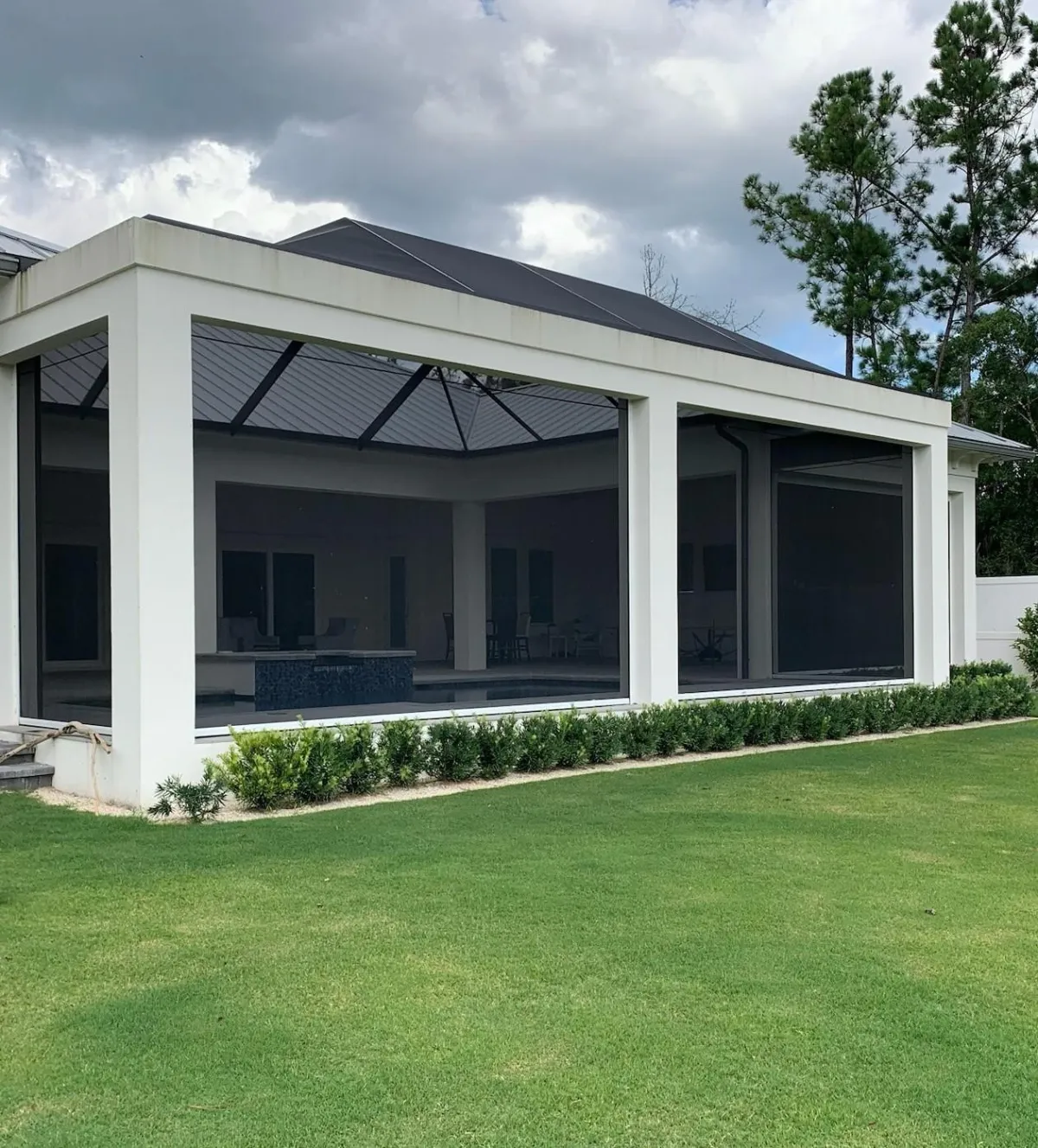
The MaxForce Hurricane Screen System meets or exceeds Miami-Dade and Florida Building Code requirements—the toughest hurricane codes on earth—for roll-down hurricane screens. Rated for the 185 MPH wind zone, and with real-world and certified testing. With spans of up to 25 feet, they exceed performance criteria for all local and International Building Codes.
MAXFORCE THE #1 MOTORIZED
HURRICANE SCREEN
Contact A+ Certified MaxForce Screen
Dealer Today...
THE MAXFORCE DIFFERENCE
Maxforce Hurricane Screen
THE MAXFORCE DIFFERENCE
MaxForce Hurricane Screen
MaxForce Hurricane Screens, powered by our MaxForce system, meet the toughest standards—including HVHZ certification in Miami-Dade and Broward. They last longer, resist more, and do more than any screen on the market—proven protection without compromise.
MaxForce Hurricane Screens —Delivers 365 days of perfect protection, rain or shine, on your patio and lanai. With the push of a button or a tap on the mobile app, your patio is storm-ready— furniture and openings fully protected in seconds.
MaxForce Hurricane Screens fabric blocks up to 95% of the sun’s damaging UV-rays while shielding against wind, rain, insects, dust, and debris. It also helps reduce heat and lower energy costs by limiting solar exposure—comfort and protection in one smart solution.
Like all Maxforce products, our MaxForce Hurricane Screens are highly customizable and built to order—made to fit your exact openings. No guesswork, no compromises—just precision-fit protection tailored to your space.
Pair our retractable MaxForce Hurricane Screens with other Maxforce screens for customized and independent solutions. Each screen operates independently, giving you the protection you want when you need it.
MaxForce Hurricane Screens offer built-in privacy without blocking your view. Like a two-way mirror, you can see out—but neighbors and passersby can not see in. It provides the perfect blend of openness and seclusion, day or night.
MAXFORCE THE #1 MOTORIZED HURRICANE SCREEN
Contact A+ Certified MaxForce Screen Dealer Today...
INTEGRITY MATTERS
How MaxForce Is Made Matters
MaxForce Hurricane Screens, powered by our MaxForce system, meet the toughest standards—including HVHZ certification in Miami-Dade and Broward. They last longer, resist more, and do more than any screen on the market—proven protection without compromise.
.
MaxForce Hurricane Screens —Delivers 365 days of perfect protection, rain or shine, on your patio and lanai. With the push of a button or a tap on the mobile app, your patio is storm-ready— furniture and openings fully protected in seconds.
MaxForce Hurricane Screens fabric blocks up to 95% of the sun’s damaging UV-rays while shielding against wind, rain, insects, dust, and debris. It also helps reduce heat and lower energy costs by limiting solar exposure—comfort and protection in one smart solution.
.
Like all Maxforce products, our MaxForce Hurricane Screens are highly customizable and built to order—made to fit your exact openings. No guesswork, no compromises—just precision-fit protection tailored to your space.
.
Pair our retractable MaxForce Hurricane Screens with other Maxforce screens for customized and independent solutions. Each screen operates independently, giving you the protection you want when you need it.
.
MaxForce Hurricane Screens offer built-in privacy without blocking your view. Like a two-way mirror, you can see out—but neighbors and passersby can not see in. It provides the perfect blend of openness and seclusion, day or night.
.
MAXFORCE THE #1 MOTORIZED
HURRICANE SCREEN
Contact A+ Certified MaxForce Screen
Dealer Today...
INTEGRITY MATTERS
How MaxForce Is
Made Matters
AMERICAN INGENUITY
Made in the USA.
Proudly Made in the USA—every MaxForce screen is built with American strength, precision, and pride. From the smallest components to the final assembly, our materials are sourced and manufactured right here in the United States. No outsourcing. No compromises. Just hardworking Americans protecting American homes with the toughest screen system on the market.
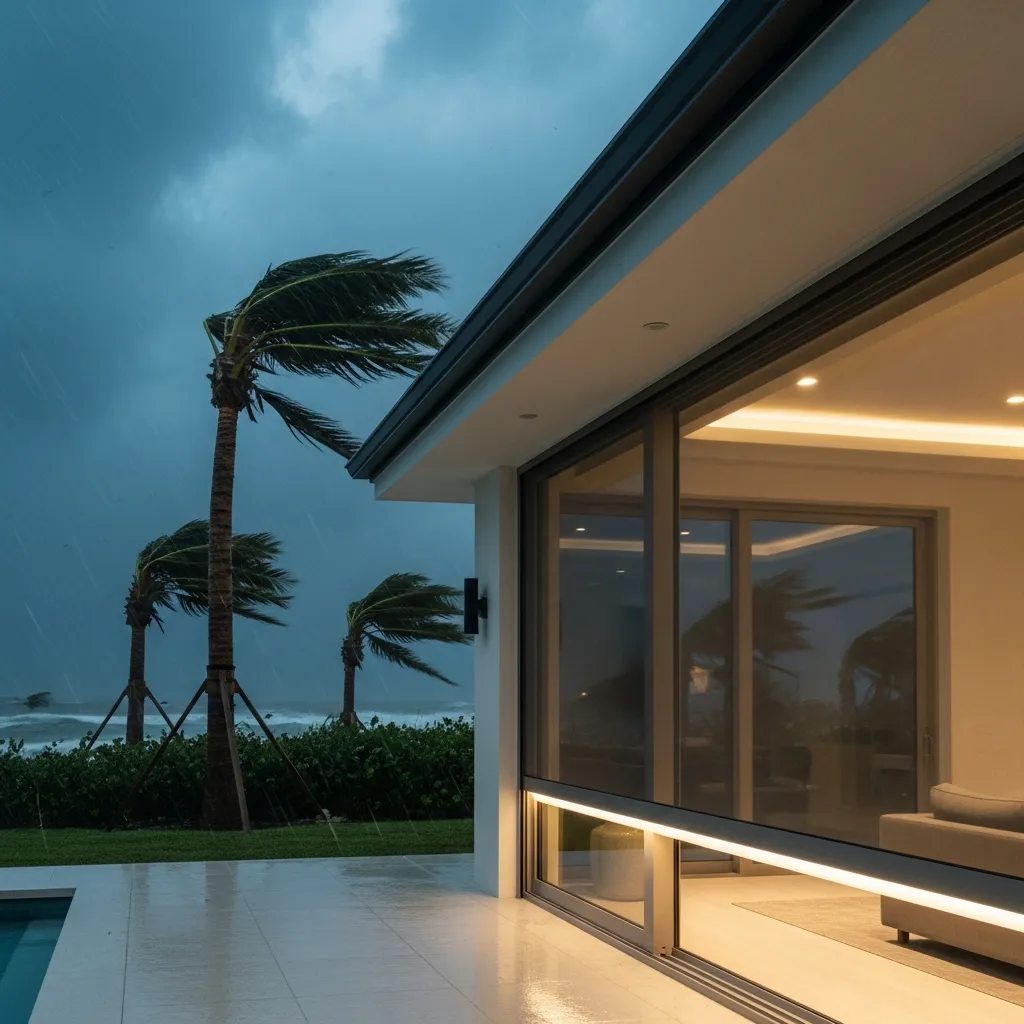
Inside the Engineering: How Motorized Hurricane Screens Seal a Building Envelope in 60 Seconds
Inside the Engineering: How Motorized Hurricane Screens Seal a Building Envelope in 60 Seconds
What Sixty Seconds Looks Like
Before the engineering, the experience.
A tropical system is approaching. The National Hurricane Center has issued a watch for
your area. You are standing in your living room. You pick up a remote control, press a
single button, and watch.
From the top of your largest sliding glass door, a fabric screen begins descending
vertically. It moves smoothly, guided by aluminum tracks on both sides, unrolling from
a compact housing that was invisible a moment ago. In roughly sixty seconds, the screen
reaches the bottom rail and locks into position. The opening is sealed.
You did not climb a ladder. You did not drag aluminum panels from the garage. You did
not stand in the Florida heat for four hours bolting storm panels into tracks while your
neighbor did the same. You did not call a contractor and hope they could fit you in. You
did not drive to a hardware store only to find the plywood gone.
You pressed a button. If your home has ten openings, you press ten buttons — or, with a
whole-home system integrated into smart home controls, you press one. If you are
traveling when the watch is issued, you deploy the screens from your phone, from a
hotel room in another state, or you call your property manager and they do it in
minutes. If you have limited mobility, the system does not care. It operates the same for
everyone.
That is the experience. It is designed to be simple because simplicity is what works when
a storm is coming and complexity is what fails. But the simplicity of the experience rests
on engineering that is anything but simple — four interconnected systems, each solving
a specific problem that earlier hurricane protection technologies could not.
Four Systems, One Envelope Seal
A motorized hurricane screen is not a single product. It is four engineered systems
working together: the track retention system that holds the fabric in place, the fabric
itself that absorbs debris impact, the motor system that deploys and retracts the screen,
and the cassette housing that protects everything when the screen is not in use.
The Track Retention System: Why the Screen Stays Put
The most critical engineering challenge in a hurricane screen is not the fabric — it is
keeping the fabric anchored during sustained hurricane-force winds. A screen that
comes out of its tracks during a storm is worse than no screen at all, because it creates
false confidence and leaves the opening exposed.
Modern hurricane screens use what is called a Keder track system, borrowed from an
engineering principle used in sailboat rigging and tension-fabric architecture. A Keder is
a reinforced bead — typically a nylon cord wrapped in smooth, durable fabric — that is
sewn or welded along the edges of the screen. This bead slides into a precisely machined
groove in an extruded aluminum track mounted on both sides of the opening.
The geometry of the groove is the key. The bead is larger than the track opening, which
means once seated, it cannot pull free under lateral force. When wind pushes against the
screen, the bead presses harder into the groove rather than pulling away from it — a
self-reinforcing retention mechanism. The harder the wind pushes, the more securely
the fabric is held.
Some advanced systems go further. Magnetic retention systems use rare-earth
neodymium magnets embedded in the tracks alongside the Keder interlock, creating a
dual retention mechanism that allows the track to absorb lateral pressure and self-
correct under load. This means the screen can flex with wind gusts without jamming,
binding, or dislodging — a significant advancement over earlier zipper-based retention
systems that were prone to failure under sustained wind loads.
The Fabric: What Stops the Debris
The screen fabric in a hurricane-rated system is not conventional screening material.
High-performance hurricane screens use woven fabrics containing aramid fibers — the
same family of synthetic fibers used in ballistic armor, aerospace applications, and cut-
resistant industrial equipment. Aramid fibers have an extraordinary strength-to-weight
ratio: they are five times stronger than steel on an equal-weight basis.
In a hurricane screen, the aramid-fiber weave serves a specific function. When a piece of
wind-borne debris strikes the screen — a roof tile, a tree branch, a two-by-four — the
woven fabric absorbs the impact by distributing the force across the entire membrane
rather than concentrating it at the point of contact. The screen flexes inward, decelerates
the debris, and returns to position. This is fundamentally different from rigid barriers
like aluminum shutters, which resist impact by opposing force with force. The screen
absorbs; the shutter deflects.
This absorption mechanism allows high-performance screen fabrics to sustain multiple
impacts during a single storm without penetration. The fabric does not shatter, crack, or
permanently deform. After the storm, it returns to its pre-impact shape.
The Motor System: How It Deploys
Motorized hurricane screens use tubular motors mounted inside the reel tube at the top
of each unit. The motor rotates the reel, which rolls or unrolls the fabric. The motor is
controlled by remote, wall switch, or smart home integration — including app control
and voice assistant compatibility. Some systems support whole-home deployment from
a single interface.
The motors are engineered for the environments where hurricane screens are installed:
high humidity, salt air, temperature extremes, and UV exposure. Quality systems use
motors from established manufacturers with warranties of four to five years, and the
motor can be replaced without removing the entire screen assembly.
The Cassette Housing: Where It Goes When You Don’t Need It
When retracted, the screen fabric rolls into a compact aluminum cassette housing
mounted above the opening. The cassette protects the fabric, the motor, and the reel
mechanism from UV exposure, rain, dust, and salt air when the system is not deployed.
From the exterior, the housing is a narrow profile that is significantly less visible than
accordion shutter tracks, roll-down shutter boxes, or storm panel storage.
How Do Motorized Hurricane Screens Work?
Motorized hurricane screens are permanently installed fabric-based protection systems
that deploy vertically over windows, doors, and large openings using a tubular motor
and Keder track retention system. The screen fabric — typically woven with aramid
fibers (the same family used in ballistic armor) — rolls down from a compact cassette
housing and is guided by extruded aluminum side tracks. A reinforced bead along each
edge of the fabric locks into a machined groove in the track, creating a self-reinforcing
seal that holds tighter as wind pressure increases. Deployment takes approximately 60
seconds per opening and can be activated by remote control, wall switch, smartphone
app, or smart home integration. The screens meet the same ASTM E1886/E1996 and
Miami-Dade TAS 201/202/203 testing standards as hurricane shutters and impact
glass.
What the Tests Actually Simulate
Every homeowner considering hurricane protection should understand what
certification testing actually involves, because the tests are designed to simulate the
specific conditions a product will face during a real hurricane. This is not theoretical
performance. It is measured, documented, and verified by independent testing
laboratories.
The large missile impact test fires a nine-pound two-by-four lumber section at the
screen at 50 feet per second (approximately 34 miles per hour) under the ASTM E1996
standard, or at 50 feet per second under the more demanding Miami-Dade TAS 201
standard used in Florida’s High-Velocity Hurricane Zone. This test simulates the most
dangerous wind-borne debris in a hurricane: structural lumber torn from roofs, fences,
and buildings. The product must prevent penetration. The screen absorbs the impact
through its flexible membrane rather than attempting to rigidly resist it.
The cyclic pressure test subjects the product to thousands of cycles of alternating
positive and negative air pressure, simulating the sustained push-and-pull forces that
hurricane winds exert on a building’s openings over the course of hours. This is the test
that separates products engineered for sustained performance from products that might
survive a single gust but fail under prolonged loading. The screen must maintain its
position in the tracks, retain its seal, and show no structural degradation through the
full test cycle.
The wind-load rating measures the maximum wind speed the product can withstand
while maintaining structural integrity and remaining in its tracks. High-performance
hurricane screens are rated for wind speeds of 175 to 185 mph or higher — Category 5
hurricane conditions. This rating is verified through testing under controlled conditions
that replicate the aerodynamic forces generated at those wind speeds.
Products that pass these tests earn either a Florida Building Code Product Approval
(applicable statewide) or a Miami-Dade County Notice of Acceptance, which applies the
most stringent testing standards in the country. Both certifications are publicly
searchable, meaning any homeowner can verify a product’s certification status before
purchasing.
What Are Keder Track Hurricane Screens?
Keder track hurricane screens are motorized fabric protection systems that use a Keder-
based retention mechanism to secure the screen fabric within extruded aluminum side
tracks. The term "Keder" refers to a reinforced bead — typically a nylon cord wrapped in
durable fabric — that is attached along the edges of the screen and slides into a precisely
machined groove in the aluminum track. The Keder bead is larger than the track
opening, creating a mechanical interlock that becomes more secure under wind pressure
rather than less. This engineering replaced earlier zipper-based retention systems,
which were prone to jamming and failure under sustained hurricane-force winds.
Keder-based retention was adapted from sailboat rigging and tension-fabric
architecture, where fabric must remain anchored under extreme dynamic loads.
The Questions Every Homeowner Asks
Every homeowner who considers motorized hurricane screens arrives with the same set
of questions. These are not doubts. They are engineering questions, and they deserve
engineering answers.
What happens when the power goes out?
This is the first question every homeowner asks, and it has a straightforward answer.
Quality motorized hurricane screen systems include battery backup that allows the
screens to deploy and retract even during a power outage. Additionally, most systems
include a manual override mechanism that allows the screen to be operated by hand in
an extended power failure. Since screens are typically deployed before the storm arrives
— when power is still available — the battery backup serves primarily as a redundancy
for post-storm retraction. But the redundancy exists, and it works.
What if the screen is damaged during the storm?
The fabric’s woven construction is designed to absorb impact without catastrophic
failure. Unlike rigid barriers that can crack, shatter, or permanently deform, the screen
fabric flexes, distributes force, and returns to shape. If the fabric is struck by debris large
or forceful enough to cause damage, the woven structure localizes the damage rather
than propagating it across the entire membrane. A puncture in one area does not
compromise the screen’s ability to resist pressure across the rest of its surface. Post-
storm, damaged fabric panels can be replaced without removing the entire track and
motor assembly.
Can wind get behind the screen and pull it out?
This is what the Keder track system specifically prevents. The reinforced bead seated in
the machined groove creates a mechanical seal along both edges. Wind pressure pushes
the bead deeper into the groove, making the retention stronger under load. Advanced
magnetic systems add a second layer of retention that actively holds the screen while
allowing controlled flex under extreme gusts. The track system eliminates the edge
infiltration that was the primary failure mode in earlier screen designs.
How long does a hurricane screen system last?
High-quality screen systems are designed for continuous outdoor exposure in
demanding coastal environments — UV, salt air, humidity, and temperature cycling.
Leading manufacturers warrant the fabric for 10 to 15 years, the aluminum framing
components for a limited lifetime, and the motors for 4 to 5 years. The powder-coated
aluminum housing and tracks are engineered to resist corrosion in saltwater
environments. When components do require service, the modular design allows
individual parts — fabric, motor, or hardware — to be replaced without a full system
removal.
What maintenance does the system require?
Annual maintenance is minimal: visual inspection of the fabric for wear, cleaning the
tracks to remove debris and salt buildup, testing motor operation to verify smooth
deployment and retraction, and checking battery backup function. This is comparable to
the maintenance required for a garage door opener and significantly less than the
periodic lubrication, hardware replacement, and motor servicing required by
mechanical shutter systems.
Do Hurricane Screens Work When the Power Is Out?
Yes. Quality motorized hurricane screen systems include battery backup power that
allows screens to deploy and retract during power outages. Most systems also include a
manual override mechanism for operation during extended outages. Since hurricane
screens are typically deployed before a storm arrives (while power is still available), the
battery backup serves primarily as a redundancy for post-storm retraction. The screens
remain in the deployed position without requiring continuous power — once lowered
into the Keder tracks, the mechanical retention holds the fabric in place regardless of
electrical status.
From Engineering to Action
You now understand more about how motorized hurricane screens work than most
homeowners will ever learn from a manufacturer’s brochure or a contractor’s sales
presentation. You know how the Keder track retention system holds the fabric in place
under wind loads. You know why aramid-fiber weave absorbs debris impact rather than
rigidly resisting it. You know what the certification tests simulate and why those tests
matter. You know the answers to the questions that stop most homeowners from
moving forward.
That knowledge is the foundation of a confident decision. Not confidence based on a
salesperson’s reassurance or a manufacturer’s promise, but confidence based on
understanding the engineering — the same kind of confidence you would want before
making any significant investment in your home.
Understanding, however, is only useful if it leads to action. And the most common
barrier between understanding and action is not knowledge — it is sequence. Most
homeowners who intend to prepare for hurricane season do not fail because they lack
motivation. They fail because they do not know where to start, what to do first, or how to
move through the process efficiently before June arrives.
The next article in this series solves that problem. It is a 90-day preparation plan,
structured week by week from March through May, that sequences every decision from
structural protection to supply inventory in the order that matters most. It is designed
for homeowners who are done thinking about preparation and ready to start doing it.

Company
MaxForce Hurricane Screens
Design Ideals
Resources


© 2025 Maxforce - Powered by Fenetex and Friends of Oatis
AMERICAN INGENUITY
Made in the USA
Proudly Made in the USA—every MaxForce screen is built with American strength, precision, and pride. From the smallest components to the final assembly, our materials are sourced and manufactured right here in the United States. No outsourcing. No compromises. Just hardworking Americans protecting American homes with the toughest screen system on the market.
Inside the Engineering: How Motorized Hurricane Screens Seal a Building Envelope in 60 Seconds
Inside the Engineering: How Motorized Hurricane Screens Seal a Building Envelope in 60 Seconds
What Sixty Seconds Looks Like
Before the engineering, the experience.
A tropical system is approaching. The National Hurricane Center has issued a watch for
your area. You are standing in your living room. You pick up a remote control, press a
single button, and watch.
From the top of your largest sliding glass door, a fabric screen begins descending
vertically. It moves smoothly, guided by aluminum tracks on both sides, unrolling from
a compact housing that was invisible a moment ago. In roughly sixty seconds, the screen
reaches the bottom rail and locks into position. The opening is sealed.
You did not climb a ladder. You did not drag aluminum panels from the garage. You did
not stand in the Florida heat for four hours bolting storm panels into tracks while your
neighbor did the same. You did not call a contractor and hope they could fit you in. You
did not drive to a hardware store only to find the plywood gone.
You pressed a button. If your home has ten openings, you press ten buttons — or, with a
whole-home system integrated into smart home controls, you press one. If you are
traveling when the watch is issued, you deploy the screens from your phone, from a
hotel room in another state, or you call your property manager and they do it in
minutes. If you have limited mobility, the system does not care. It operates the same for
everyone.
That is the experience. It is designed to be simple because simplicity is what works when
a storm is coming and complexity is what fails. But the simplicity of the experience rests
on engineering that is anything but simple — four interconnected systems, each solving
a specific problem that earlier hurricane protection technologies could not.
Four Systems, One Envelope Seal
A motorized hurricane screen is not a single product. It is four engineered systems
working together: the track retention system that holds the fabric in place, the fabric
itself that absorbs debris impact, the motor system that deploys and retracts the screen,
and the cassette housing that protects everything when the screen is not in use.
The Track Retention System: Why the Screen Stays Put
The most critical engineering challenge in a hurricane screen is not the fabric — it is
keeping the fabric anchored during sustained hurricane-force winds. A screen that
comes out of its tracks during a storm is worse than no screen at all, because it creates
false confidence and leaves the opening exposed.
Modern hurricane screens use what is called a Keder track system, borrowed from an
engineering principle used in sailboat rigging and tension-fabric architecture. A Keder is
a reinforced bead — typically a nylon cord wrapped in smooth, durable fabric — that is
sewn or welded along the edges of the screen. This bead slides into a precisely machined
groove in an extruded aluminum track mounted on both sides of the opening.
The geometry of the groove is the key. The bead is larger than the track opening, which
means once seated, it cannot pull free under lateral force. When wind pushes against the
screen, the bead presses harder into the groove rather than pulling away from it — a
self-reinforcing retention mechanism. The harder the wind pushes, the more securely
the fabric is held.
Some advanced systems go further. Magnetic retention systems use rare-earth
neodymium magnets embedded in the tracks alongside the Keder interlock, creating a
dual retention mechanism that allows the track to absorb lateral pressure and self-
correct under load. This means the screen can flex with wind gusts without jamming,
binding, or dislodging — a significant advancement over earlier zipper-based retention
systems that were prone to failure under sustained wind loads.
The Fabric: What Stops the Debris
The screen fabric in a hurricane-rated system is not conventional screening material.
High-performance hurricane screens use woven fabrics containing aramid fibers — the
same family of synthetic fibers used in ballistic armor, aerospace applications, and cut-
resistant industrial equipment. Aramid fibers have an extraordinary strength-to-weight
ratio: they are five times stronger than steel on an equal-weight basis.
In a hurricane screen, the aramid-fiber weave serves a specific function. When a piece of
wind-borne debris strikes the screen — a roof tile, a tree branch, a two-by-four — the
woven fabric absorbs the impact by distributing the force across the entire membrane
rather than concentrating it at the point of contact. The screen flexes inward, decelerates
the debris, and returns to position. This is fundamentally different from rigid barriers
like aluminum shutters, which resist impact by opposing force with force. The screen
absorbs; the shutter deflects.
This absorption mechanism allows high-performance screen fabrics to sustain multiple
impacts during a single storm without penetration. The fabric does not shatter, crack, or
permanently deform. After the storm, it returns to its pre-impact shape.
The Motor System: How It Deploys
Motorized hurricane screens use tubular motors mounted inside the reel tube at the top
of each unit. The motor rotates the reel, which rolls or unrolls the fabric. The motor is
controlled by remote, wall switch, or smart home integration — including app control
and voice assistant compatibility. Some systems support whole-home deployment from
a single interface.
The motors are engineered for the environments where hurricane screens are installed:
high humidity, salt air, temperature extremes, and UV exposure. Quality systems use
motors from established manufacturers with warranties of four to five years, and the
motor can be replaced without removing the entire screen assembly.
The Cassette Housing: Where It Goes When You Don’t Need It
When retracted, the screen fabric rolls into a compact aluminum cassette housing
mounted above the opening. The cassette protects the fabric, the motor, and the reel
mechanism from UV exposure, rain, dust, and salt air when the system is not deployed.
From the exterior, the housing is a narrow profile that is significantly less visible than
accordion shutter tracks, roll-down shutter boxes, or storm panel storage.
How Do Motorized Hurricane Screens Work?
Motorized hurricane screens are permanently installed fabric-based protection systems
that deploy vertically over windows, doors, and large openings using a tubular motor
and Keder track retention system. The screen fabric — typically woven with aramid
fibers (the same family used in ballistic armor) — rolls down from a compact cassette
housing and is guided by extruded aluminum side tracks. A reinforced bead along each
edge of the fabric locks into a machined groove in the track, creating a self-reinforcing
seal that holds tighter as wind pressure increases. Deployment takes approximately 60
seconds per opening and can be activated by remote control, wall switch, smartphone
app, or smart home integration. The screens meet the same ASTM E1886/E1996 and
Miami-Dade TAS 201/202/203 testing standards as hurricane shutters and impact
glass.
What the Tests Actually Simulate
Every homeowner considering hurricane protection should understand what
certification testing actually involves, because the tests are designed to simulate the
specific conditions a product will face during a real hurricane. This is not theoretical
performance. It is measured, documented, and verified by independent testing
laboratories.
The large missile impact test fires a nine-pound two-by-four lumber section at the
screen at 50 feet per second (approximately 34 miles per hour) under the ASTM E1996
standard, or at 50 feet per second under the more demanding Miami-Dade TAS 201
standard used in Florida’s High-Velocity Hurricane Zone. This test simulates the most
dangerous wind-borne debris in a hurricane: structural lumber torn from roofs, fences,
and buildings. The product must prevent penetration. The screen absorbs the impact
through its flexible membrane rather than attempting to rigidly resist it.
The cyclic pressure test subjects the product to thousands of cycles of alternating
positive and negative air pressure, simulating the sustained push-and-pull forces that
hurricane winds exert on a building’s openings over the course of hours. This is the test
that separates products engineered for sustained performance from products that might
survive a single gust but fail under prolonged loading. The screen must maintain its
position in the tracks, retain its seal, and show no structural degradation through the
full test cycle.
The wind-load rating measures the maximum wind speed the product can withstand
while maintaining structural integrity and remaining in its tracks. High-performance
hurricane screens are rated for wind speeds of 175 to 185 mph or higher — Category 5
hurricane conditions. This rating is verified through testing under controlled conditions
that replicate the aerodynamic forces generated at those wind speeds.
Products that pass these tests earn either a Florida Building Code Product Approval
(applicable statewide) or a Miami-Dade County Notice of Acceptance, which applies the
most stringent testing standards in the country. Both certifications are publicly
searchable, meaning any homeowner can verify a product’s certification status before
purchasing.
What Are Keder Track Hurricane Screens?
Keder track hurricane screens are motorized fabric protection systems that use a Keder-
based retention mechanism to secure the screen fabric within extruded aluminum side
tracks. The term "Keder" refers to a reinforced bead — typically a nylon cord wrapped in
durable fabric — that is attached along the edges of the screen and slides into a precisely
machined groove in the aluminum track. The Keder bead is larger than the track
opening, creating a mechanical interlock that becomes more secure under wind pressure
rather than less. This engineering replaced earlier zipper-based retention systems,
which were prone to jamming and failure under sustained hurricane-force winds.
Keder-based retention was adapted from sailboat rigging and tension-fabric
architecture, where fabric must remain anchored under extreme dynamic loads.
The Questions Every Homeowner Asks
Every homeowner who considers motorized hurricane screens arrives with the same set
of questions. These are not doubts. They are engineering questions, and they deserve
engineering answers.
What happens when the power goes out?
This is the first question every homeowner asks, and it has a straightforward answer.
Quality motorized hurricane screen systems include battery backup that allows the
screens to deploy and retract even during a power outage. Additionally, most systems
include a manual override mechanism that allows the screen to be operated by hand in
an extended power failure. Since screens are typically deployed before the storm arrives
— when power is still available — the battery backup serves primarily as a redundancy
for post-storm retraction. But the redundancy exists, and it works.
What if the screen is damaged during the storm?
The fabric’s woven construction is designed to absorb impact without catastrophic
failure. Unlike rigid barriers that can crack, shatter, or permanently deform, the screen
fabric flexes, distributes force, and returns to shape. If the fabric is struck by debris large
or forceful enough to cause damage, the woven structure localizes the damage rather
than propagating it across the entire membrane. A puncture in one area does not
compromise the screen’s ability to resist pressure across the rest of its surface. Post-
storm, damaged fabric panels can be replaced without removing the entire track and
motor assembly.
Can wind get behind the screen and pull it out?
This is what the Keder track system specifically prevents. The reinforced bead seated in
the machined groove creates a mechanical seal along both edges. Wind pressure pushes
the bead deeper into the groove, making the retention stronger under load. Advanced
magnetic systems add a second layer of retention that actively holds the screen while
allowing controlled flex under extreme gusts. The track system eliminates the edge
infiltration that was the primary failure mode in earlier screen designs.
How long does a hurricane screen system last?
High-quality screen systems are designed for continuous outdoor exposure in
demanding coastal environments — UV, salt air, humidity, and temperature cycling.
Leading manufacturers warrant the fabric for 10 to 15 years, the aluminum framing
components for a limited lifetime, and the motors for 4 to 5 years. The powder-coated
aluminum housing and tracks are engineered to resist corrosion in saltwater
environments. When components do require service, the modular design allows
individual parts — fabric, motor, or hardware — to be replaced without a full system
removal.
What maintenance does the system require?
Annual maintenance is minimal: visual inspection of the fabric for wear, cleaning the
tracks to remove debris and salt buildup, testing motor operation to verify smooth
deployment and retraction, and checking battery backup function. This is comparable to
the maintenance required for a garage door opener and significantly less than the
periodic lubrication, hardware replacement, and motor servicing required by
mechanical shutter systems.
Do Hurricane Screens Work When the Power Is Out?
Yes. Quality motorized hurricane screen systems include battery backup power that
allows screens to deploy and retract during power outages. Most systems also include a
manual override mechanism for operation during extended outages. Since hurricane
screens are typically deployed before a storm arrives (while power is still available), the
battery backup serves primarily as a redundancy for post-storm retraction. The screens
remain in the deployed position without requiring continuous power — once lowered
into the Keder tracks, the mechanical retention holds the fabric in place regardless of
electrical status.
From Engineering to Action
You now understand more about how motorized hurricane screens work than most
homeowners will ever learn from a manufacturer’s brochure or a contractor’s sales
presentation. You know how the Keder track retention system holds the fabric in place
under wind loads. You know why aramid-fiber weave absorbs debris impact rather than
rigidly resisting it. You know what the certification tests simulate and why those tests
matter. You know the answers to the questions that stop most homeowners from
moving forward.
That knowledge is the foundation of a confident decision. Not confidence based on a
salesperson’s reassurance or a manufacturer’s promise, but confidence based on
understanding the engineering — the same kind of confidence you would want before
making any significant investment in your home.
Understanding, however, is only useful if it leads to action. And the most common
barrier between understanding and action is not knowledge — it is sequence. Most
homeowners who intend to prepare for hurricane season do not fail because they lack
motivation. They fail because they do not know where to start, what to do first, or how to
move through the process efficiently before June arrives.
The next article in this series solves that problem. It is a 90-day preparation plan,
structured week by week from March through May, that sequences every decision from
structural protection to supply inventory in the order that matters most. It is designed
for homeowners who are done thinking about preparation and ready to start doing it.