
Motorized Hurricane Screen
Why Maxforce

MAXFORCE PROVEN PROTECT
Engineered For Excellence
For nearly two decades, MaxForce has manufactured hurricane screens to meet the most demanding building code, the High Velocity Hurricane Zone of Miami-Dade. The MaxForce track is our newest version of the fixed track we have used with great success for high wind applications all over the globe.
The benefits of a fixed track are unmatched strength - this is important when designing a screen system for hurricanes. When you want the strongest system available, and a proven veteran of many hurricanes, the MaxForce Hurricane Track is your best choice.
MAXFORCE THE #1 MOTORIZED HURRICANE SCREEN
Contact A+ Certified MaxForce Screen Dealer Today...
MAXFORCE HURRICANE SCREENS
Engineering Features
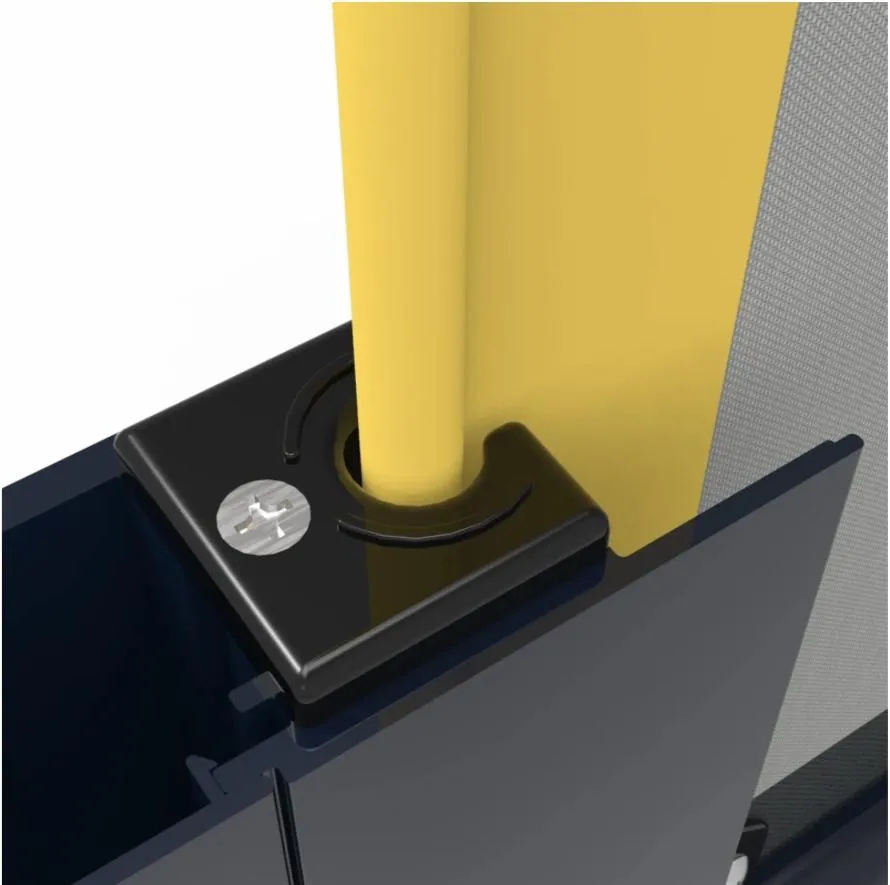
No blowouts. No rewraps. No frustration.
MaxForce is the only retractable screen system on the market designed to stay locked in the track—even in high winds. Smart motor senses resistance and adjusts seamlessly, allowing self-correction when the screen encounters an obstacle: Fewer snags, fewer jams, and fewer costly service calls.
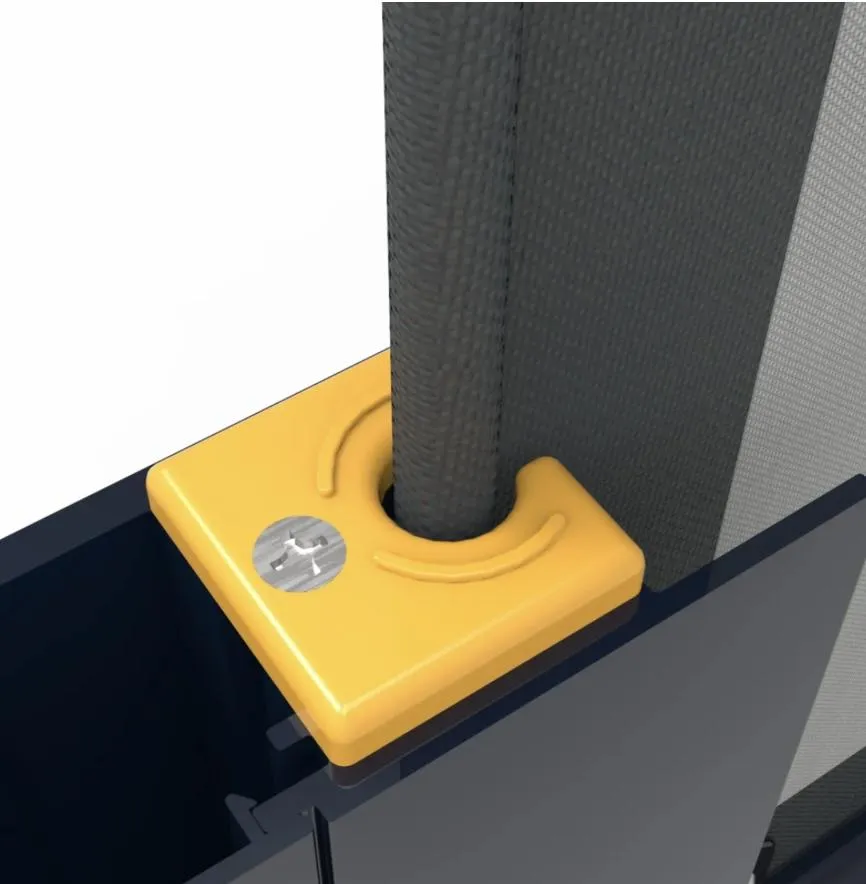
No Zipper. No Cable. Just Simple Deployment
MaxForce pioneered Keder-edge technology in motorized screens, delivering unmatched durability and simplicity. Borrowed from sailboat rigging, this system eliminates zippers, cables, and exposed hardware—ensuring smooth, reliable operation every time.
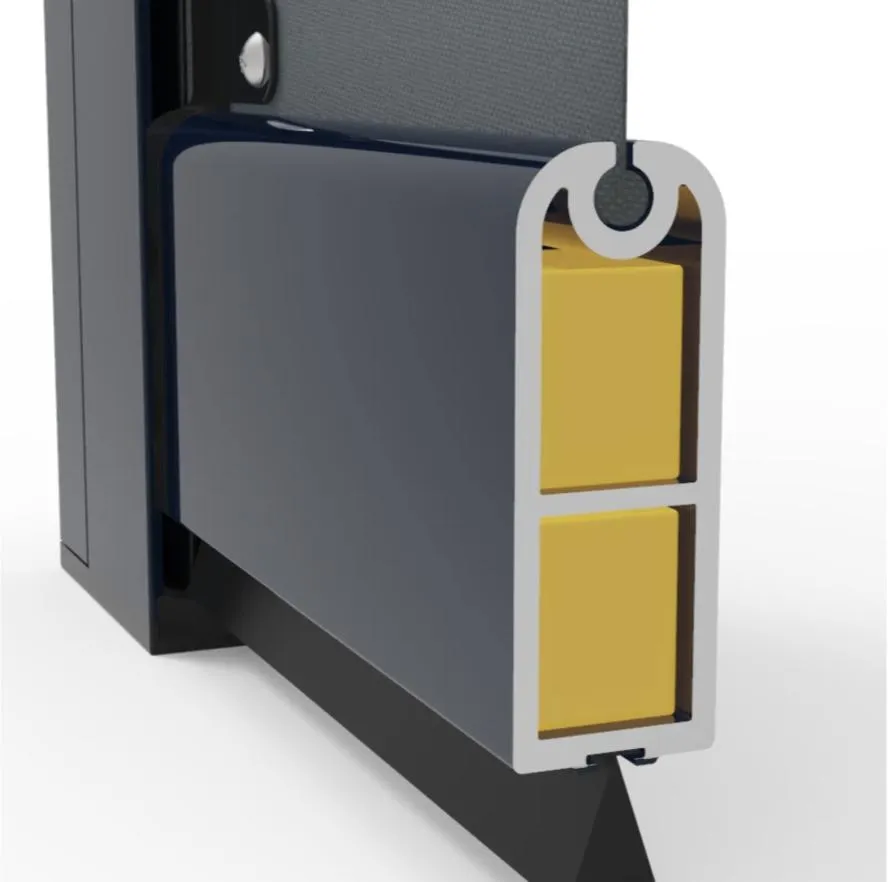
Heavy Duty
The MaxForce weight bar is engineered for strength—and built to hold its ground. Pound for pound, it’s the heaviest and most robust weight bar in the industry. This ensures proper screen tension, flawless deployment, and maximum stability in high wind zones. —limited flex, no failure.
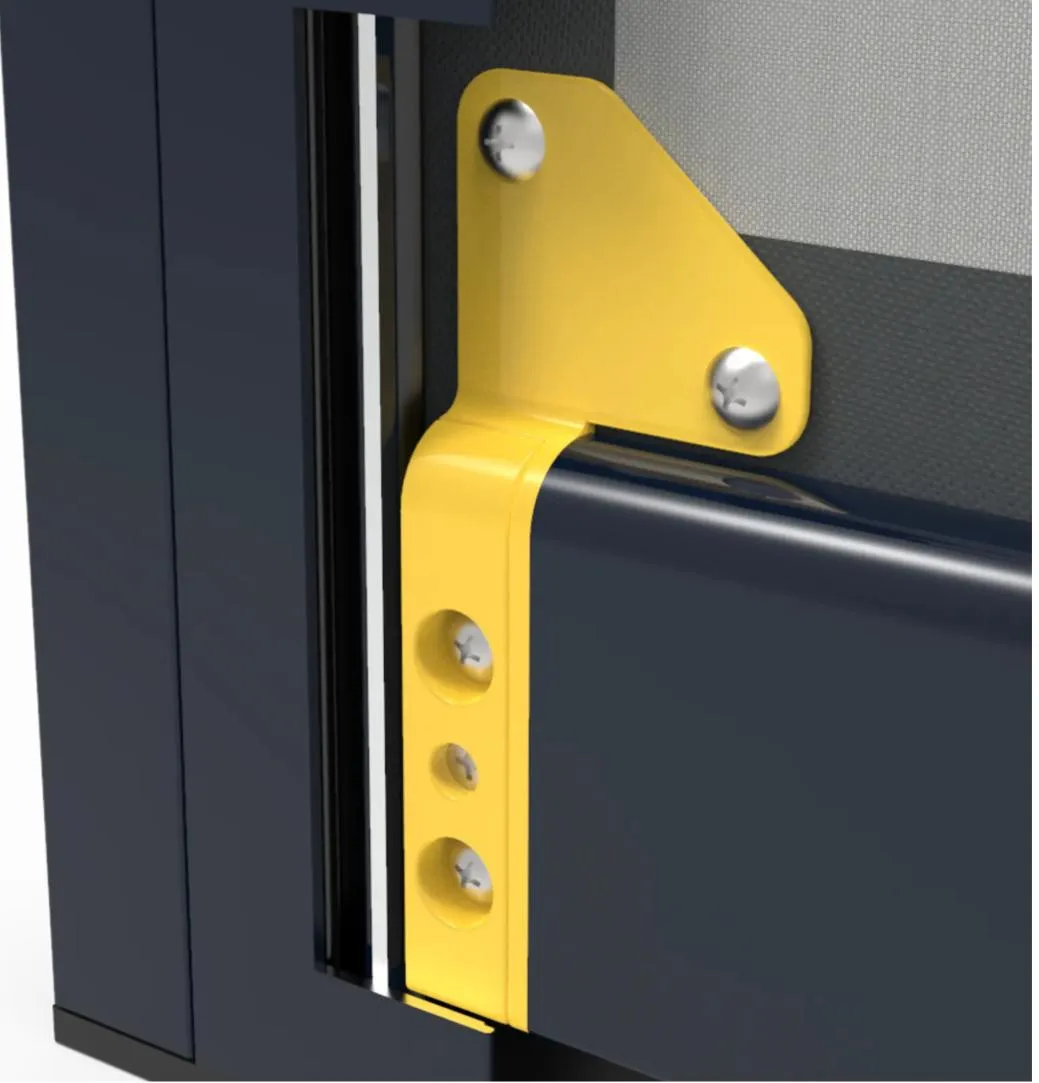
Reinforced Corners
MaxForce’s heavy-duty weight bar isn’t just strong. It’s smart. Reinforced corners and integrated tie-ins create a unified structure that acts like a solid wall of protection when deployed. Made from high-strength nylon, this bar absorbs impacts while maintaining structural integrity.
Motorized Hurricane Screen
Why Maxforce
MAXFORCE PROVEN PROTECT
Engineered For Excellence
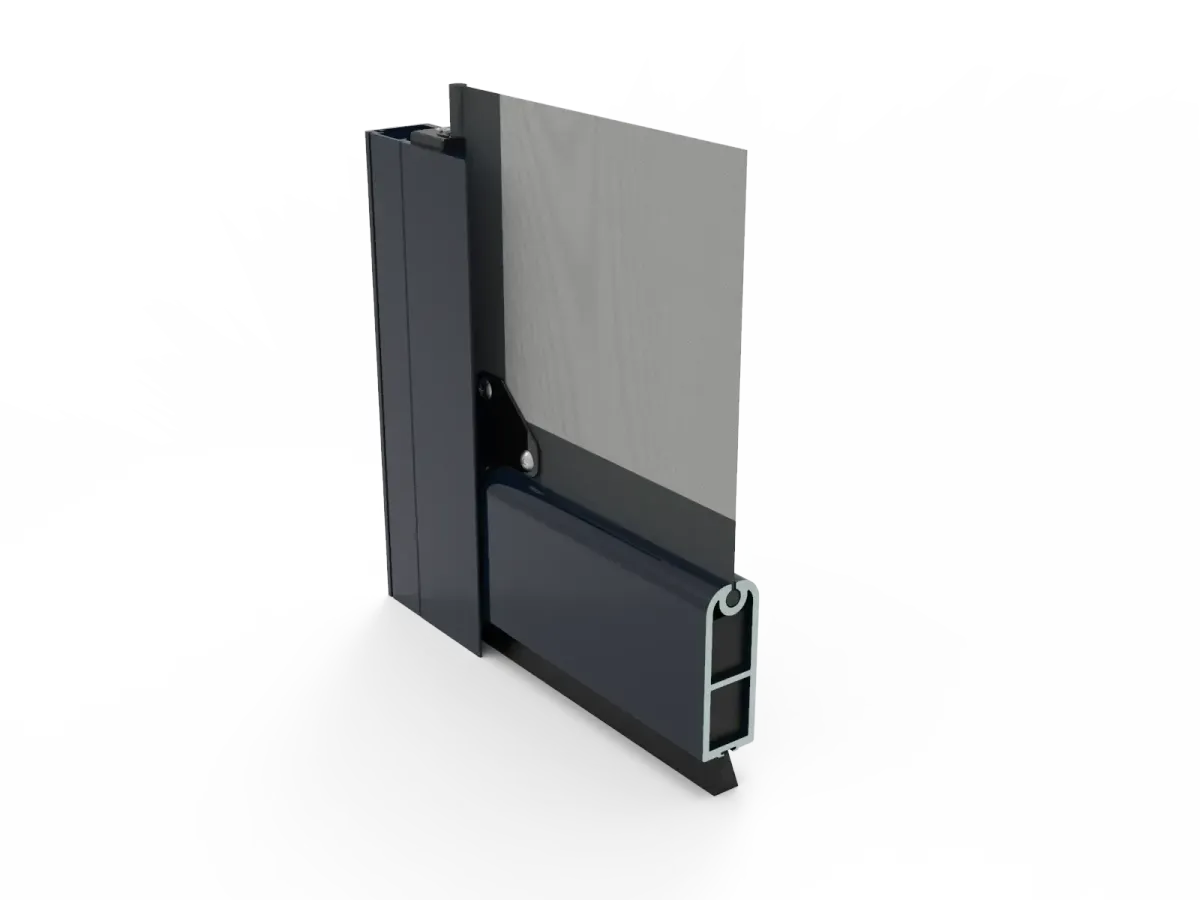
For nearly two decades, MaxForce has manufactured hurricane screens to meet the most demanding building code, the High Velocity Hurricane Zone of Miami-Dade. The MaxForce track is our newest version of the fixed track we have used with great success for high wind applications all over the globe.
The benefits of a fixed track are unmatched strength - this is important when designing a screen system for hurricanes. When you want the strongest system available, and a proven veteran of many hurricanes, the MaxForce Hurricane Track is your best choice.
MAXFORCE THE #1 MOTORIZED
HURRICANE SCREEN
Contact A+ Certified MaxForce Screen
Dealer Today...
MAXFORCE HURRICANE SCREENS
Engineering Features
No blowouts. No rewraps.
No frustration.
MaxForce is the only retractable screen system on the market designed to stay locked in the track—even in high winds. Smart motor senses resistance and adjusts seamlessly, allowing self-correction when the screen encounters an obstacle: Fewer snags, fewer jams, and fewer costly service calls.
No Zipper. No Cable.
Just Simple Deployment
MaxForce pioneered Keder-edge technology in motorized screens, delivering unmatched durability and simplicity. Borrowed from sailboat rigging, this system eliminates zippers, cables, and exposed hardware—ensuring smooth, reliable operation every time.
Heavy Duty
The MaxForce weight bar is engineered for strength—and built to hold its ground. Pound for pound, it’s the heaviest and most robust weight bar in the industry. This ensures proper screen tension, flawless deployment, and maximum stability in high wind zones. —limited flex, no failure.
Reinforced Corners
MaxForce’s heavy-duty weight bar isn’t just strong. It’s smart. Reinforced corners and integrated tie-ins create a unified structure that acts like a solid wall of protection when deployed. Made from high-strength nylon, this bar absorbs impacts while maintaining structural integrity.

HEADACHE-FREE
Exclusive self-tensioning system eliminates 99.9% of screen issues. No track adjustments, broken zippers, or dislodged screens.

LIFETIME WARRANTY
Exterior shade screens reduce cooling bills and MaxForce hurricane screens reduce insurance premiums in hurricane zones.

HURRICANE STRONG
Our MaxForce tracks and advanced hybrid ballistic fabrics withstand 150+ mph winds. Approved by Florida Building Commission for hurricane zones. Lab and real-world tested.

BUILT TO LAST
We use marine-grade materials such as powder-coated aluminum, UV-protected nylons, stainless steel fasteners, and premium fabrics. Resists corrosion, rust, and screen failure.

COST-SAVING
Exterior shade screens reduce cooling bills and MaxForce hurricane screens reduce insurance premiums in hurricane zones.

SMART CONTROLS
Control MaxForce screens via remote and
phone or integrate with popular home automation systems for advanced
capabilities.

SECURE TRACK
MaxForce Fix Hurricane Track holds firm under extreme loads

MAX CORROSION PROTECTION
Powder Coated Aluminum Protects your investment from exposer and corrosion.

HEAVY-DUTY DESIGN
Our screens are designed to withstand the extreme. High wind, Rain, or Shine, Dust Dirt, Dander, it doesn't matter. MaxForce Cover it all.

CUSTOM-MADE SCREENS
Tailor-made screens with vast color, fabric, and system options. Custom paint color and fabric matching are available.
MAXFORCE THE #1 MOTORIZED HURRICANE SCREEN
Contact A+ Certified MaxForce Screen Dealer Today...
HEADACHE-FREE
Exclusive self-tensioning system eliminates 99.9% of screen issues.
No track adjustments, broken zippers,
or dislodged screens.
LIFETIME WARRANTY
Exterior shade screens reduce cooling
bills and MaxForce hurricane screens
reduce insurance premiums in
hurricane zones.
HURRICANE STRONG
Our MaxForce tracks and advanced hybrid ballistic fabrics withstand
150+ mph winds. Approved by Florida Building Commission for hurricane
zones. Lab and real-world tested.
BUILT TO LAST
We use marine-grade materials such
as powder-coated aluminum, UV-protected nylons, stainless steel
fasteners, and premium fabrics. Resists corrosion, rust, and screen failure.
COST-SAVING
Exterior shade screens reduce cooling
bills and MaxForce hurricane screens
reduce insurance premiums in
hurricane zones.
SMART CONTROLS
Control MaxForce screens via remote and
phone or integrate with popular home automation systems for advanced
capabilities.
SECURE TRACK
MaxForce Fix Hurricane Track holds firm under extreme loads
MAX CORROSION PROTECTION
Powder Coated Aluminum Protects your investment from exposer and corrosion.
HEAVY-DUTY DESIGN
Our screens are designed to withstand
the extreme. High wind, Rain, or Shine,
Dust Dirt, Dander, it doesn't matter. MaxForce Cover it all.
CUSTOM-MADE SCREENS
Tailor-made screens with vast color, fabric, and system options. Custom
paint color and fabric matching are available.
MAXFORCE THE #1 MOTORIZED
HURRICANE SCREEN
Contact A+ Certified MaxForce Screen
Dealer Today...
MAXFORCE
Ready For Life's Storms
MAXFORCE HURRICANE SCREEN SYSTEM
A Certified, Tested System...
The MaxForce Hurricane Screen System meets or exceeds Miami-Dade and Florida Building Code requirements—the toughest hurricane codes on earth—for roll-down hurricane screens. Rated for the 185 MPH wind zone, and with real-world and certified testing. With spans of up to 25 feet, they exceed performance criteria for all local and International Building Codes.
MAXFORCE THE #1 MOTORIZED HURRICANE SCREEN
Contact A+ Certified MaxForce Screen Dealer Today...
MAXFORCE
Ready For Life's Storms
MAXFORCE HURRICANE SCREEN SYSTEM
A Certified, Tested System...
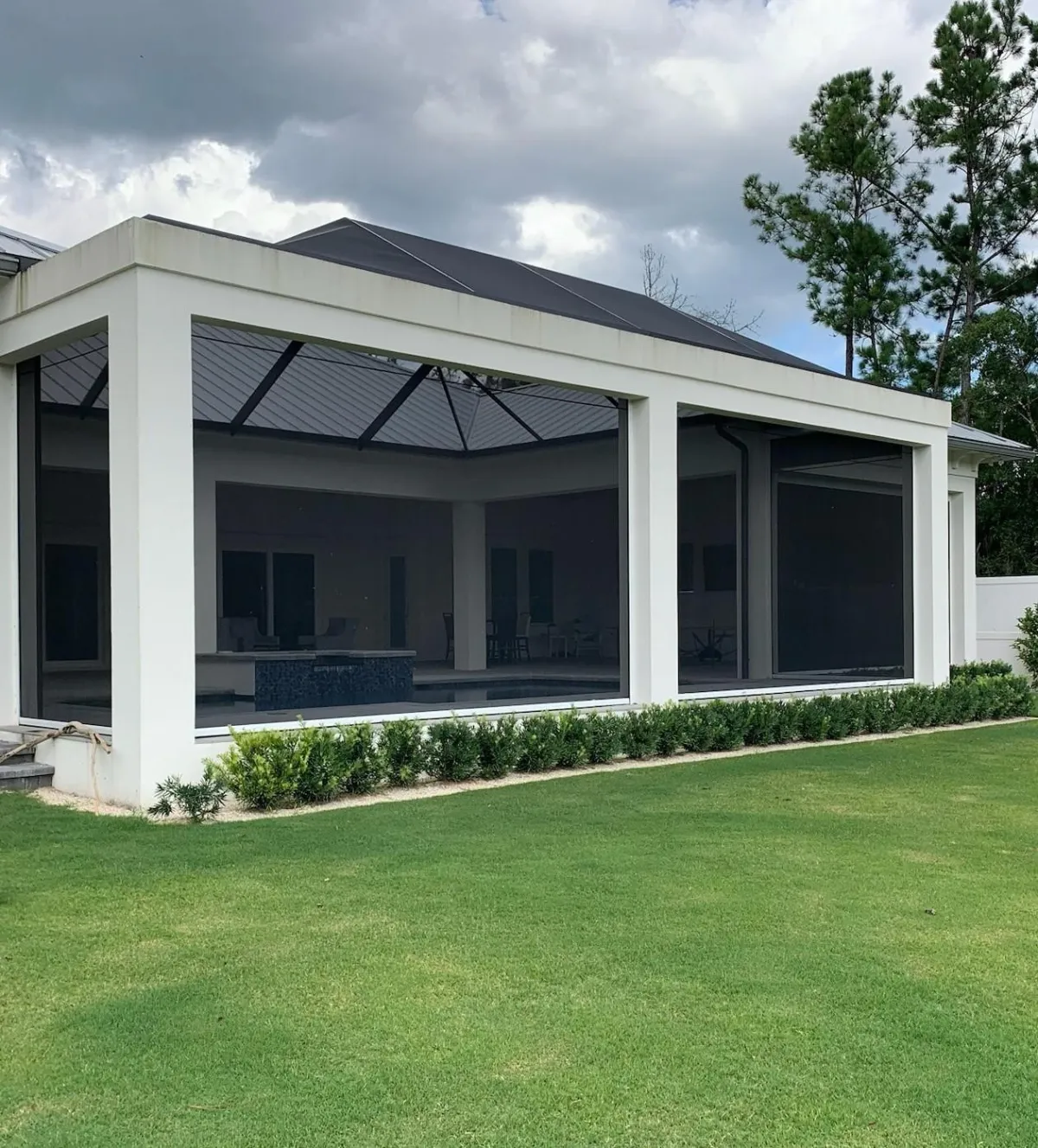
The MaxForce Hurricane Screen System meets or exceeds Miami-Dade and Florida Building Code requirements—the toughest hurricane codes on earth—for roll-down hurricane screens. Rated for the 185 MPH wind zone, and with real-world and certified testing. With spans of up to 25 feet, they exceed performance criteria for all local and International Building Codes.
MAXFORCE THE #1 MOTORIZED
HURRICANE SCREEN
Contact A+ Certified MaxForce Screen
Dealer Today...
THE MAXFORCE DIFFERENCE
Maxforce Hurricane Screen
THE MAXFORCE DIFFERENCE
MaxForce Hurricane Screen
MaxForce Hurricane Screens, powered by our MaxForce system, meet the toughest standards—including HVHZ certification in Miami-Dade and Broward. They last longer, resist more, and do more than any screen on the market—proven protection without compromise.
MaxForce Hurricane Screens —Delivers 365 days of perfect protection, rain or shine, on your patio and lanai. With the push of a button or a tap on the mobile app, your patio is storm-ready— furniture and openings fully protected in seconds.
MaxForce Hurricane Screens fabric blocks up to 95% of the sun’s damaging UV-rays while shielding against wind, rain, insects, dust, and debris. It also helps reduce heat and lower energy costs by limiting solar exposure—comfort and protection in one smart solution.
Like all Maxforce products, our MaxForce Hurricane Screens are highly customizable and built to order—made to fit your exact openings. No guesswork, no compromises—just precision-fit protection tailored to your space.
Pair our retractable MaxForce Hurricane Screens with other Maxforce screens for customized and independent solutions. Each screen operates independently, giving you the protection you want when you need it.
MaxForce Hurricane Screens offer built-in privacy without blocking your view. Like a two-way mirror, you can see out—but neighbors and passersby can not see in. It provides the perfect blend of openness and seclusion, day or night.
MAXFORCE THE #1 MOTORIZED HURRICANE SCREEN
Contact A+ Certified MaxForce Screen Dealer Today...
INTEGRITY MATTERS
How MaxForce Is Made Matters
MaxForce Hurricane Screens, powered by our MaxForce system, meet the toughest standards—including HVHZ certification in Miami-Dade and Broward. They last longer, resist more, and do more than any screen on the market—proven protection without compromise.
.
MaxForce Hurricane Screens —Delivers 365 days of perfect protection, rain or shine, on your patio and lanai. With the push of a button or a tap on the mobile app, your patio is storm-ready— furniture and openings fully protected in seconds.
MaxForce Hurricane Screens fabric blocks up to 95% of the sun’s damaging UV-rays while shielding against wind, rain, insects, dust, and debris. It also helps reduce heat and lower energy costs by limiting solar exposure—comfort and protection in one smart solution.
.
Like all Maxforce products, our MaxForce Hurricane Screens are highly customizable and built to order—made to fit your exact openings. No guesswork, no compromises—just precision-fit protection tailored to your space.
.
Pair our retractable MaxForce Hurricane Screens with other Maxforce screens for customized and independent solutions. Each screen operates independently, giving you the protection you want when you need it.
.
MaxForce Hurricane Screens offer built-in privacy without blocking your view. Like a two-way mirror, you can see out—but neighbors and passersby can not see in. It provides the perfect blend of openness and seclusion, day or night.
.
MAXFORCE THE #1 MOTORIZED
HURRICANE SCREEN
Contact A+ Certified MaxForce Screen
Dealer Today...
INTEGRITY MATTERS
How MaxForce Is
Made Matters
AMERICAN INGENUITY
Made in the USA.

Proudly Made in the USA—every MaxForce screen is built with American strength, precision, and pride. From the smallest components to the final assembly, our materials are sourced and manufactured right here in the United States. No outsourcing. No compromises. Just hardworking Americans protecting American homes with the toughest screen system on the market.
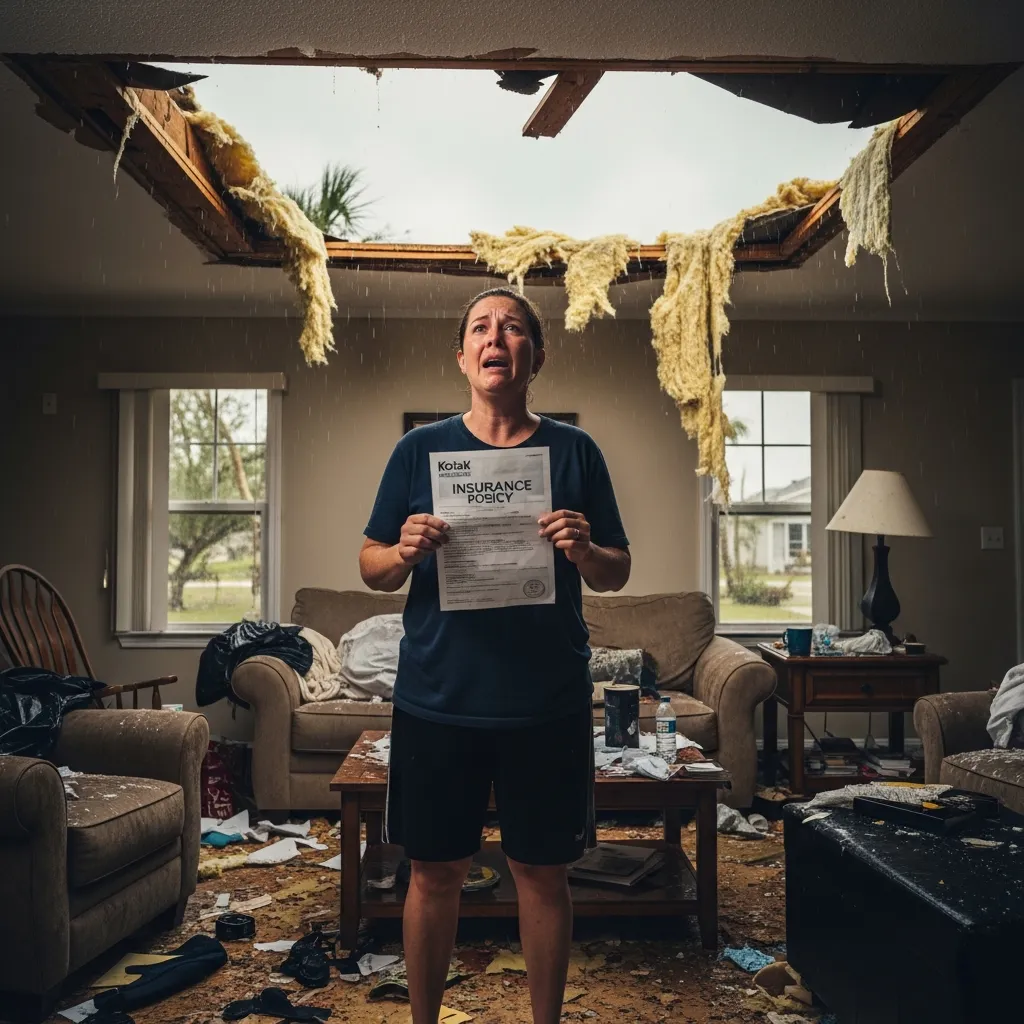
What Your Insurance Actually Covers in a Hurricane — And the Gaps That Could Cost You Everything
What Your Insurance Policy Actually Covers in a Hurricane — And the Gaps That Could Cost You Everything
The Most Expensive Assumption a Homeowner Can Make
Three words have cost Florida homeowners more money than any hurricane: ''I have
insurance.''
It is not that the statement is false. Most Florida homeowners do have insurance. They
pay premiums every month. They have a declarations page in a drawer or a PDF in their
email. They believe, with the reasonable confidence of people who pay for protection,
that when a hurricane damages their home, their insurance will cover the cost of making
it whole again.
That belief is the most expensive assumption in homeownership. Not because insurance
is a fraud — it is not. But because what most homeowners think their policy covers and
what it actually covers in a hurricane-specific event are separated by a gap that can
reach $20,000, $50,000, or more. That gap has a structure. It has specific mechanisms
that create it. And most homeowners do not discover those mechanisms until they are
standing in a damaged home, reading their policy for the first time, and realizing that
the math does not work the way they assumed.
This article is not legal advice and it is not a replacement for consulting with your
insurance agent. What it is, however, is an explanation of the structural features that
create coverage gaps in hurricane events — features that every homeowner should
understand before a storm, not after one. Because the time to discover what your policy
actually says is now, while you can still do something about it.
The Four Gaps Inside Your Policy
Gap 1: The Hurricane Deductible
Your standard homeowner’s deductible is probably a flat dollar amount — $1,000 or
$2,500. You pay that amount, and insurance covers the rest. Most homeowners assume
their hurricane deductible works the same way. It does not.
In Florida and 17 other coastal states, hurricane deductibles are calculated as a
percentage of your home’s insured value, not as a flat dollar amount. The typical range is
2 to 5 percent, though some policies go as high as 10 percent. On a home insured for
$400,000, a 2 percent hurricane deductible means you pay the first $8,000 out of
pocket before insurance begins. A 5 percent deductible on the same home means
$20,000. At 10 percent, the number is $40,000.
These are not edge cases. According to the Insurance Information Institute, hurricane
deductibles in some coastal areas exceed 5 percent. The Florida CFO’s office confirms
that insurers must offer options of 2, 5, or 10 percent for homes insured above
$250,000. Most homeowners select the higher deductible because it comes with lower
monthly premiums — a rational choice in any year without a hurricane and a
devastating one in any year with one.
Here is the math that most homeowners have never done. If a hurricane causes $30,000
in damage to your home and you have a 5 percent deductible on a $400,000 policy, your
deductible is $20,000. Insurance covers $10,000. You cover $20,000 — two-thirds of
the total damage. If the damage is $18,000 and your deductible is $20,000, insurance
covers nothing. You pay every dollar.
Gap 2: The Flood Exclusion
Standard homeowner’s insurance in Florida covers wind damage from hurricanes. It
does not cover flood damage. These are treated as entirely separate perils, covered by
entirely separate policies.
Flood insurance is available through FEMA’s National Flood Insurance Program or
through private insurers. NFIP policies cap coverage at $250,000 for the structure and
$100,000 for personal property — well below the value of many Florida homes. New
flood policies carry a 30-day waiting period before coverage begins, meaning you cannot
purchase one once a storm is approaching.
The American Property Casualty Insurance Association reported that following
Hurricanes Helene and Milton, a majority of Florida homeowner claims closed without
payment were because the losses were uncovered flood damage or fell below the
hurricane deductible. In areas hit hardest by Helene, fewer than 1 percent of homes had
flood insurance. A Federal Reserve Bank of Philadelphia analysis found that 70 percent
of expected annual flood losses in single-family residences across the U.S. remain
uninsured.
Gap 3: Wind Versus Water
When a hurricane strikes, wind and water arrive together. Your roof may be damaged by
wind, allowing rain to enter. Storm surge may flood your first floor. The question of
whether specific damage was caused by wind (covered by homeowner’s insurance) or by
flooding (covered only by a separate flood policy) becomes the central dispute in
thousands of hurricane claims every year.
This matters because the distinction determines which policy pays — and the
homeowner is caught in the middle. If water entered your home because wind broke a
window and rain followed, that may be covered by your homeowner’s policy. If water
entered because storm surge pushed floodwater through your door, that is flood damage
— and if you do not have a flood policy, it is not covered at all. When both happen
simultaneously, which they almost always do in a landfalling hurricane, the attribution
battle between homeowner and insurer can take months or years to resolve. Insurance
companies have sometimes incorrectly applied hurricane deductibles to flood claims or
attempted to deny coverage entirely when both wind and water damage occur in the
same event.
Gap 4: Building Envelope Breach and Claim Complexity
This is where insurance mechanics connect directly to the building science explored
earlier in this series. When a hurricane breaches the building envelope — breaks a
window, collapses a garage door, penetrates a sliding glass door — the interior damage
that follows is catastrophic. Water intrusion destroys drywall, flooring, cabinetry,
personal property, and electrical systems. The repair costs are enormous.
But the claim for that interior damage becomes complicated the moment the insurer
asks: was the water that destroyed the interior driven by wind pressure through the
breach, or was it rising water from storm surge that entered through the same opening?
If the building envelope had held, there would be no interior damage to dispute. The
breach itself creates the ambiguity that makes the claim disputable.
Does Homeowner’s Insurance Cover Hurricane Damage?
Standard homeowner’s insurance in Florida and most coastal states covers wind damage
from hurricanes, including damage to the roof, walls, windows, and interior damage
caused by wind-driven rain. However, coverage is subject to a separate hurricane
deductible, typically calculated as 2 to 10 percent of the home’s insured value rather
than a flat dollar amount. Flood damage — including storm surge, rising water, and
overflow — is excluded from standard homeowner’s policies and requires a separate
flood insurance policy through FEMA’s National Flood Insurance Program or a private
insurer. The gap between what homeowners assume is covered and what their policy
actually pays in a hurricane event can be tens of thousands of dollars, particularly when
damage involves both wind and water simultaneously.
The Pattern That Repeats After Every Hurricane
There is a claim pattern that insurance professionals see after every major hurricane. It
follows a predictable sequence, and it connects directly to the building envelope science
from earlier in this series.
A homeowner’s window fails during the storm. Wind-driven rain and debris enter the
home. The interior sustains significant water damage — soaked drywall, warped
flooring, ruined furniture, compromised electrical systems. The homeowner files a claim
expecting coverage because the damage originated with wind, which their policy covers.
The insurer sends an adjuster. The adjuster notes that the interior damage is water
damage. Water damage from flooding is excluded. The question becomes: was the water
wind-driven (covered) or flood-driven (excluded)? If the storm included any storm
surge or rising water — and most landfalling hurricanes do — the insurer has a
legitimate basis to attribute some or all of the interior water damage to flood rather than
wind. The claim is reduced, delayed, or denied.
The Florida Office of Insurance Regulation confirmed that following Helene and Milton,
the top two reasons homeowner claims were closed without payment were uncovered
flood damage and losses that fell below the hurricane deductible. These are not rare
outcomes. They are the most common outcomes.
Now consider the counterfactual. If the building envelope had held — if the window had
not failed, if the garage door had not collapsed, if the sliding glass door had not
shattered — there would have been no interior breach, no interior water damage, and no
wind-versus-water dispute. The claim, if any, would have been limited to minor exterior
damage well within normal coverage parameters.
This is the connection that most insurance conversations miss entirely. Physical
protection of the building envelope is not just a structural strategy. It is a financial
strategy. Every dollar spent preventing envelope breach is a dollar that prevents the
cascade of interior damage that generates the largest, most complex, and most
frequently disputed insurance claims.
What Does a Hurricane Deductible Mean?
A hurricane deductible is a separate, higher deductible that applies specifically to
hurricane-related damage on a homeowner’s insurance policy. Unlike standard
deductibles, which are flat dollar amounts (typically $1,000 to $2,500), hurricane
deductibles are calculated as a percentage of the home’s insured dwelling value —
typically 2 to 10 percent in Florida and 17 other coastal states. On a home insured for
$400,000, a 2 percent hurricane deductible equals $8,000, a 5 percent deductible
equals $20,000, and a 10 percent deductible equals $40,000. The deductible is
triggered when the National Hurricane Center declares a hurricane and is applied once
per calendar year in Florida regardless of how many storms cause damage.
The Math That Changes the Equation
Most homeowners think about hurricane protection as a cost. It is an expense. It
requires writing a check for thousands or tens of thousands of dollars to protect against
something that might not happen this year.
But the equation inverts when you include insurance in the calculation. Hurricane
protection is not just a structural investment — it is a financial instrument that affects
your insurance costs every year, reduces your claim exposure in any hurricane year, and
protects you from the coverage gaps described above.
Here is how the math works.
Annual premium reduction. Florida law requires insurers to offer wind mitigation
credits for homes with qualifying hurricane protection. The Florida Department of
Financial Services reports potential savings of 10 to 45 percent on the windstorm
portion of premiums — which represents 15 to 70 percent of the total premium
depending on location. On a policy where the windstorm premium is $3,000 annually, a
30 percent wind mitigation credit saves $900 per year. Over ten years, that is $9,000 in
premium savings alone.
Deductible exposure reduction. If your building envelope holds during a hurricane,
the damage your home sustains is dramatically reduced. Minor exterior damage that
falls within normal repair costs is far less likely to exceed your hurricane deductible —
and far less likely to generate the kind of complex interior damage claim that insurers
dispute. The avoided cost is not hypothetical. It is the difference between a $20,000
deductible applied to a $60,000 interior damage claim and a $2,500 standard
deductible applied to a $4,000 exterior repair.
Claim reliability. An intact building envelope eliminates the wind-versus-water
attribution dispute entirely. There is no interior water damage to argue about. The
claim, if filed at all, is straightforward: wind damaged an exterior component, here is the
repair cost. Straightforward claims are resolved faster, paid more consistently, and
generate less friction with the insurer.
When you add these three factors together — annual premium savings, reduced
deductible exposure, and improved claim reliability — hurricane protection begins to
look less like an expense and more like a financial strategy. A $15,000 to $25,000
investment in whole-home hurricane protection that generates $700 to $1,200 in
annual premium savings, eliminates the risk of a $20,000 to $40,000 deductible hit,
and prevents the kind of interior damage that produces six-figure repair bills is not a
cost. It is the most rational financial decision available to a homeowner in a hurricane-
prone state.
Can Hurricane Protection Lower My Insurance Premiums?
Yes. Florida law requires insurers to offer wind mitigation credits for homes with
qualifying hurricane protection features, including impact-rated opening protection
such as shutters, screens, and impact glass. Credits are applied to the windstorm portion
of the premium, which represents 15 to 70 percent of the total policy cost depending on
location. The Florida Department of Financial Services reports potential savings of 10 to
45 percent on the windstorm premium. To qualify, all openings must be protected with
products carrying Florida Product Approval or Miami-Dade NOA certification, and the
homeowner must obtain a certified wind mitigation inspection documented on Form
OIR-B1-1802. Additional credits may apply for roof-to-wall connections, roof shape,
secondary water resistance, and roof deck attachment.
What to Do Tonight
Pull your policy. Not the summary — the actual declarations page. Find the line that says
''hurricane deductible''; or ''named storm deductible'' and calculate the dollar amount. If it is a percentage, multiply it by your dwelling coverage limit. That number is what you would owe out of pocket before insurance pays anything in a hurricane.
Then ask yourself three questions. Do you have a separate flood insurance policy? If
your home is not in a FEMA-designated high-risk flood zone, you may not have one —
and you may still be exposed, because hurricanes routinely produce flooding well
beyond designated zones. Could you write a check for your hurricane deductible
tomorrow if you had to? If the answer creates discomfort, that discomfort is useful
information worth acting on. And finally: are all of your openings — every window,
every door, every skylight, and your garage door — protected with certified hurricane
protection that would qualify for wind mitigation credits?
If the answer to that last question is no, the next article in this series is written for you.
It explains the specific engineering behind motorized hurricane screens — how they seal
a building envelope, what materials they use, how they perform under certified testing
conditions, and why the technology exists in its current form. It is the technical deep
dive for homeowners who have moved past whether to protect their home and are now
asking how the protection actually works.

Company
MaxForce Hurricane Screens
Design Ideals
Resources



© 2025 Maxforce - Powered by Fenetex and Friends of Oatis
AMERICAN INGENUITY
Made in the USA
Proudly Made in the USA—every MaxForce screen is built with American strength, precision, and pride. From the smallest components to the final assembly, our materials are sourced and manufactured right here in the United States. No outsourcing. No compromises. Just hardworking Americans protecting American homes with the toughest screen system on the market.
What Your Insurance Actually Covers in a Hurricane — And the Gaps That Could Cost You Everything
What Your Insurance Policy Actually Covers in a Hurricane — And the Gaps That Could Cost You Everything
The Most Expensive Assumption a Homeowner Can Make
Three words have cost Florida homeowners more money than any hurricane: ''I have
insurance.''
It is not that the statement is false. Most Florida homeowners do have insurance. They
pay premiums every month. They have a declarations page in a drawer or a PDF in their
email. They believe, with the reasonable confidence of people who pay for protection,
that when a hurricane damages their home, their insurance will cover the cost of making
it whole again.
That belief is the most expensive assumption in homeownership. Not because insurance
is a fraud — it is not. But because what most homeowners think their policy covers and
what it actually covers in a hurricane-specific event are separated by a gap that can
reach $20,000, $50,000, or more. That gap has a structure. It has specific mechanisms
that create it. And most homeowners do not discover those mechanisms until they are
standing in a damaged home, reading their policy for the first time, and realizing that
the math does not work the way they assumed.
This article is not legal advice and it is not a replacement for consulting with your
insurance agent. What it is, however, is an explanation of the structural features that
create coverage gaps in hurricane events — features that every homeowner should
understand before a storm, not after one. Because the time to discover what your policy
actually says is now, while you can still do something about it.
The Four Gaps Inside Your Policy
Gap 1: The Hurricane Deductible
Your standard homeowner’s deductible is probably a flat dollar amount — $1,000 or
$2,500. You pay that amount, and insurance covers the rest. Most homeowners assume
their hurricane deductible works the same way. It does not.
In Florida and 17 other coastal states, hurricane deductibles are calculated as a
percentage of your home’s insured value, not as a flat dollar amount. The typical range is
2 to 5 percent, though some policies go as high as 10 percent. On a home insured for
$400,000, a 2 percent hurricane deductible means you pay the first $8,000 out of
pocket before insurance begins. A 5 percent deductible on the same home means
$20,000. At 10 percent, the number is $40,000.
These are not edge cases. According to the Insurance Information Institute, hurricane
deductibles in some coastal areas exceed 5 percent. The Florida CFO’s office confirms
that insurers must offer options of 2, 5, or 10 percent for homes insured above
$250,000. Most homeowners select the higher deductible because it comes with lower
monthly premiums — a rational choice in any year without a hurricane and a
devastating one in any year with one.
Here is the math that most homeowners have never done. If a hurricane causes $30,000
in damage to your home and you have a 5 percent deductible on a $400,000 policy, your
deductible is $20,000. Insurance covers $10,000. You cover $20,000 — two-thirds of
the total damage. If the damage is $18,000 and your deductible is $20,000, insurance
covers nothing. You pay every dollar.
Gap 2: The Flood Exclusion
Standard homeowner’s insurance in Florida covers wind damage from hurricanes. It
does not cover flood damage. These are treated as entirely separate perils, covered by
entirely separate policies.
Flood insurance is available through FEMA’s National Flood Insurance Program or
through private insurers. NFIP policies cap coverage at $250,000 for the structure and
$100,000 for personal property — well below the value of many Florida homes. New
flood policies carry a 30-day waiting period before coverage begins, meaning you cannot
purchase one once a storm is approaching.
The American Property Casualty Insurance Association reported that following
Hurricanes Helene and Milton, a majority of Florida homeowner claims closed without
payment were because the losses were uncovered flood damage or fell below the
hurricane deductible. In areas hit hardest by Helene, fewer than 1 percent of homes had
flood insurance. A Federal Reserve Bank of Philadelphia analysis found that 70 percent
of expected annual flood losses in single-family residences across the U.S. remain
uninsured.
Gap 3: Wind Versus Water
When a hurricane strikes, wind and water arrive together. Your roof may be damaged by
wind, allowing rain to enter. Storm surge may flood your first floor. The question of
whether specific damage was caused by wind (covered by homeowner’s insurance) or by
flooding (covered only by a separate flood policy) becomes the central dispute in
thousands of hurricane claims every year.
This matters because the distinction determines which policy pays — and the
homeowner is caught in the middle. If water entered your home because wind broke a
window and rain followed, that may be covered by your homeowner’s policy. If water
entered because storm surge pushed floodwater through your door, that is flood damage
— and if you do not have a flood policy, it is not covered at all. When both happen
simultaneously, which they almost always do in a landfalling hurricane, the attribution
battle between homeowner and insurer can take months or years to resolve. Insurance
companies have sometimes incorrectly applied hurricane deductibles to flood claims or
attempted to deny coverage entirely when both wind and water damage occur in the
same event.
Gap 4: Building Envelope Breach and Claim Complexity
This is where insurance mechanics connect directly to the building science explored
earlier in this series. When a hurricane breaches the building envelope — breaks a
window, collapses a garage door, penetrates a sliding glass door — the interior damage
that follows is catastrophic. Water intrusion destroys drywall, flooring, cabinetry,
personal property, and electrical systems. The repair costs are enormous.
But the claim for that interior damage becomes complicated the moment the insurer
asks: was the water that destroyed the interior driven by wind pressure through the
breach, or was it rising water from storm surge that entered through the same opening?
If the building envelope had held, there would be no interior damage to dispute. The
breach itself creates the ambiguity that makes the claim disputable.
Does Homeowner’s Insurance Cover Hurricane Damage?
Standard homeowner’s insurance in Florida and most coastal states covers wind damage
from hurricanes, including damage to the roof, walls, windows, and interior damage
caused by wind-driven rain. However, coverage is subject to a separate hurricane
deductible, typically calculated as 2 to 10 percent of the home’s insured value rather
than a flat dollar amount. Flood damage — including storm surge, rising water, and
overflow — is excluded from standard homeowner’s policies and requires a separate
flood insurance policy through FEMA’s National Flood Insurance Program or a private
insurer. The gap between what homeowners assume is covered and what their policy
actually pays in a hurricane event can be tens of thousands of dollars, particularly when
damage involves both wind and water simultaneously.
The Pattern That Repeats After Every Hurricane
There is a claim pattern that insurance professionals see after every major hurricane. It
follows a predictable sequence, and it connects directly to the building envelope science
from earlier in this series.
A homeowner’s window fails during the storm. Wind-driven rain and debris enter the
home. The interior sustains significant water damage — soaked drywall, warped
flooring, ruined furniture, compromised electrical systems. The homeowner files a claim
expecting coverage because the damage originated with wind, which their policy covers.
The insurer sends an adjuster. The adjuster notes that the interior damage is water
damage. Water damage from flooding is excluded. The question becomes: was the water
wind-driven (covered) or flood-driven (excluded)? If the storm included any storm
surge or rising water — and most landfalling hurricanes do — the insurer has a
legitimate basis to attribute some or all of the interior water damage to flood rather than
wind. The claim is reduced, delayed, or denied.
The Florida Office of Insurance Regulation confirmed that following Helene and Milton,
the top two reasons homeowner claims were closed without payment were uncovered
flood damage and losses that fell below the hurricane deductible. These are not rare
outcomes. They are the most common outcomes.
Now consider the counterfactual. If the building envelope had held — if the window had
not failed, if the garage door had not collapsed, if the sliding glass door had not
shattered — there would have been no interior breach, no interior water damage, and no
wind-versus-water dispute. The claim, if any, would have been limited to minor exterior
damage well within normal coverage parameters.
This is the connection that most insurance conversations miss entirely. Physical
protection of the building envelope is not just a structural strategy. It is a financial
strategy. Every dollar spent preventing envelope breach is a dollar that prevents the
cascade of interior damage that generates the largest, most complex, and most
frequently disputed insurance claims.
What Does a Hurricane Deductible Mean?
A hurricane deductible is a separate, higher deductible that applies specifically to
hurricane-related damage on a homeowner’s insurance policy. Unlike standard
deductibles, which are flat dollar amounts (typically $1,000 to $2,500), hurricane
deductibles are calculated as a percentage of the home’s insured dwelling value —
typically 2 to 10 percent in Florida and 17 other coastal states. On a home insured for
$400,000, a 2 percent hurricane deductible equals $8,000, a 5 percent deductible
equals $20,000, and a 10 percent deductible equals $40,000. The deductible is
triggered when the National Hurricane Center declares a hurricane and is applied once
per calendar year in Florida regardless of how many storms cause damage.
The Math That Changes the Equation
Most homeowners think about hurricane protection as a cost. It is an expense. It
requires writing a check for thousands or tens of thousands of dollars to protect against
something that might not happen this year.
But the equation inverts when you include insurance in the calculation. Hurricane
protection is not just a structural investment — it is a financial instrument that affects
your insurance costs every year, reduces your claim exposure in any hurricane year, and
protects you from the coverage gaps described above.
Here is how the math works.
Annual premium reduction. Florida law requires insurers to offer wind mitigation
credits for homes with qualifying hurricane protection. The Florida Department of
Financial Services reports potential savings of 10 to 45 percent on the windstorm
portion of premiums — which represents 15 to 70 percent of the total premium
depending on location. On a policy where the windstorm premium is $3,000 annually, a
30 percent wind mitigation credit saves $900 per year. Over ten years, that is $9,000 in
premium savings alone.
Deductible exposure reduction. If your building envelope holds during a hurricane,
the damage your home sustains is dramatically reduced. Minor exterior damage that
falls within normal repair costs is far less likely to exceed your hurricane deductible —
and far less likely to generate the kind of complex interior damage claim that insurers
dispute. The avoided cost is not hypothetical. It is the difference between a $20,000
deductible applied to a $60,000 interior damage claim and a $2,500 standard
deductible applied to a $4,000 exterior repair.
Claim reliability. An intact building envelope eliminates the wind-versus-water
attribution dispute entirely. There is no interior water damage to argue about. The
claim, if filed at all, is straightforward: wind damaged an exterior component, here is the
repair cost. Straightforward claims are resolved faster, paid more consistently, and
generate less friction with the insurer.
When you add these three factors together — annual premium savings, reduced
deductible exposure, and improved claim reliability — hurricane protection begins to
look less like an expense and more like a financial strategy. A $15,000 to $25,000
investment in whole-home hurricane protection that generates $700 to $1,200 in
annual premium savings, eliminates the risk of a $20,000 to $40,000 deductible hit,
and prevents the kind of interior damage that produces six-figure repair bills is not a
cost. It is the most rational financial decision available to a homeowner in a hurricane-
prone state.
Can Hurricane Protection Lower My Insurance Premiums?
Yes. Florida law requires insurers to offer wind mitigation credits for homes with
qualifying hurricane protection features, including impact-rated opening protection
such as shutters, screens, and impact glass. Credits are applied to the windstorm portion
of the premium, which represents 15 to 70 percent of the total policy cost depending on
location. The Florida Department of Financial Services reports potential savings of 10 to
45 percent on the windstorm premium. To qualify, all openings must be protected with
products carrying Florida Product Approval or Miami-Dade NOA certification, and the
homeowner must obtain a certified wind mitigation inspection documented on Form
OIR-B1-1802. Additional credits may apply for roof-to-wall connections, roof shape,
secondary water resistance, and roof deck attachment.
What to Do Tonight
Pull your policy. Not the summary — the actual declarations page. Find the line that says
''hurricane deductible''; or ''named storm deductible'' and calculate the dollar amount. If it is a percentage, multiply it by your dwelling coverage limit. That number is what you would owe out of pocket before insurance pays anything in a hurricane.
Then ask yourself three questions. Do you have a separate flood insurance policy? If
your home is not in a FEMA-designated high-risk flood zone, you may not have one —
and you may still be exposed, because hurricanes routinely produce flooding well
beyond designated zones. Could you write a check for your hurricane deductible
tomorrow if you had to? If the answer creates discomfort, that discomfort is useful
information worth acting on. And finally: are all of your openings — every window,
every door, every skylight, and your garage door — protected with certified hurricane
protection that would qualify for wind mitigation credits?
If the answer to that last question is no, the next article in this series is written for you.
It explains the specific engineering behind motorized hurricane screens — how they seal
a building envelope, what materials they use, how they perform under certified testing
conditions, and why the technology exists in its current form. It is the technical deep
dive for homeowners who have moved past whether to protect their home and are now
asking how the protection actually works.