Motorized Hurricane Screen
Why Maxforce

MAXFORCE PROVEN PROTECT
Engineered For Excellence
For nearly two decades, MaxForce has manufactured hurricane screens to meet the most demanding building code, the High Velocity Hurricane Zone of Miami-Dade. The MaxForce track is our newest version of the fixed track we have used with great success for high wind applications all over the globe.
The benefits of a fixed track are unmatched strength - this is important when designing a screen system for hurricanes. When you want the strongest system available, and a proven veteran of many hurricanes, the MaxForce Hurricane Track is your best choice.
MAXFORCE THE #1 MOTORIZED HURRICANE SCREEN
Contact A+ Certified MaxForce Screen Dealer Today...
MAXFORCE HURRICANE SCREENS
Engineering Features
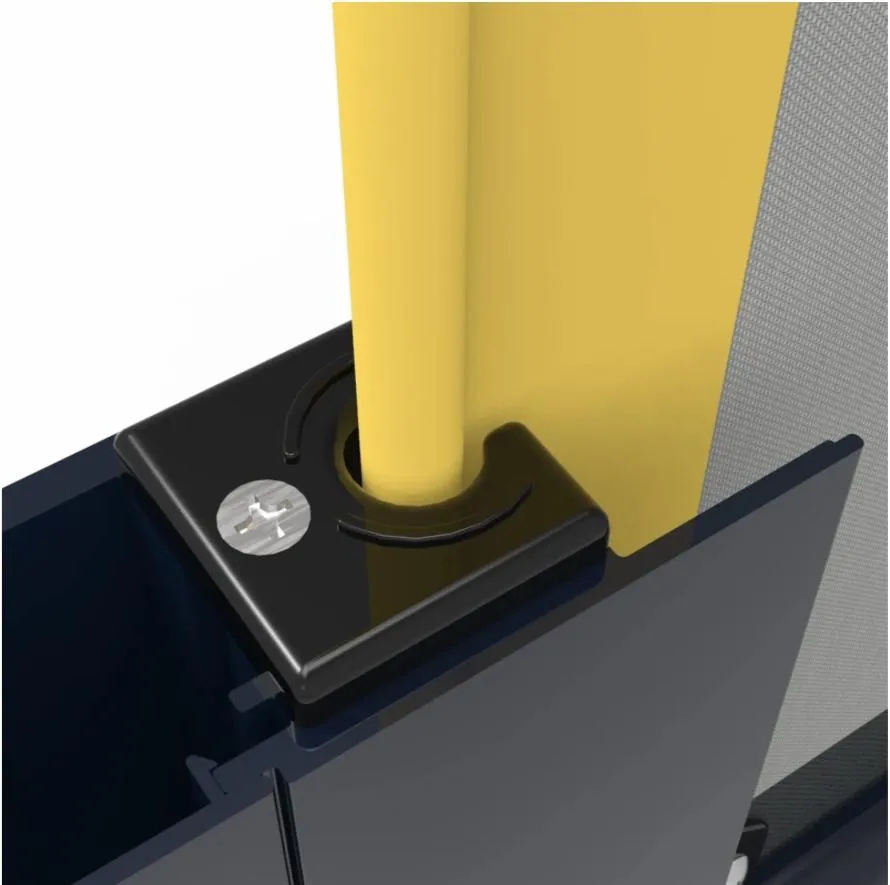
No blowouts. No rewraps. No frustration.
MaxForce is the only retractable screen system on the market designed to stay locked in the track—even in high winds. Smart motor senses resistance and adjusts seamlessly, allowing self-correction when the screen encounters an obstacle: Fewer snags, fewer jams, and fewer costly service calls.
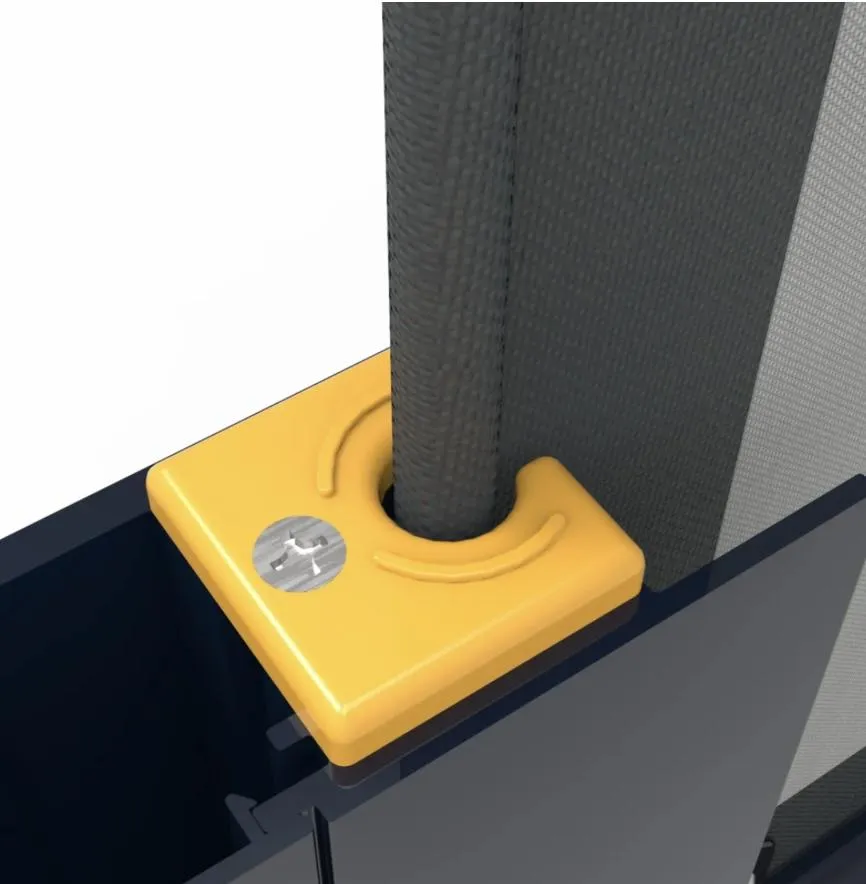
No Zipper. No Cable. Just Simple Deployment
MaxForce pioneered Keder-edge technology in motorized screens, delivering unmatched durability and simplicity. Borrowed from sailboat rigging, this system eliminates zippers, cables, and exposed hardware—ensuring smooth, reliable operation every time.
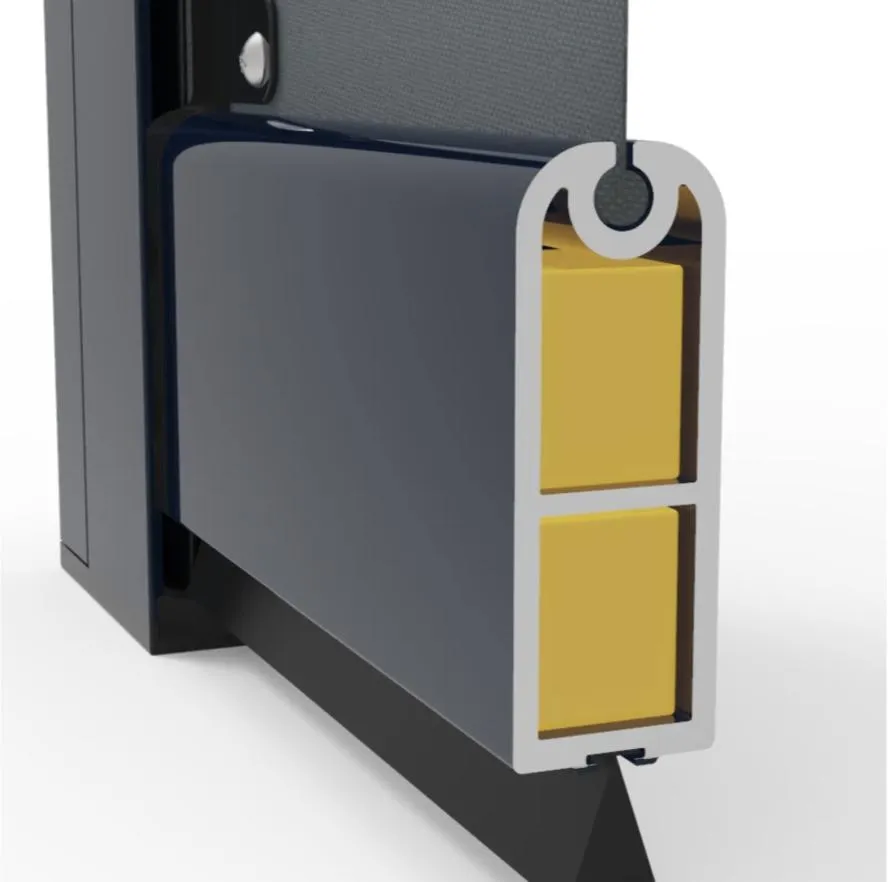
Heavy Duty
The MaxForce weight bar is engineered for strength—and built to hold its ground. Pound for pound, it’s the heaviest and most robust weight bar in the industry. This ensures proper screen tension, flawless deployment, and maximum stability in high wind zones. —limited flex, no failure.
Reinforced Corners
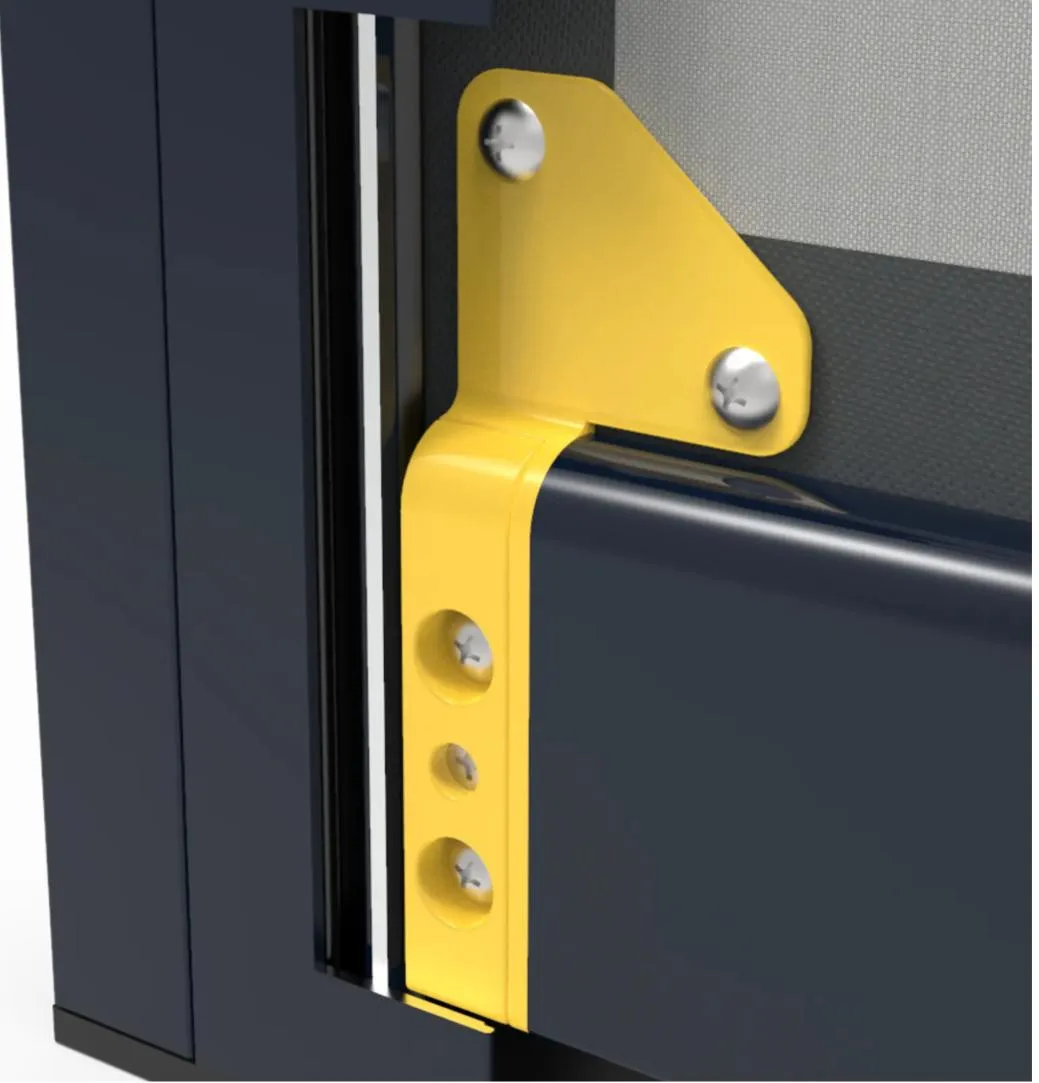
MaxForce’s heavy-duty weight bar isn’t just strong. It’s smart. Reinforced corners and integrated tie-ins create a unified structure that acts like a solid wall of protection when deployed. Made from high-strength nylon, this bar absorbs impacts while maintaining structural integrity.
Motorized Hurricane Screen
Why Maxforce
MAXFORCE PROVEN PROTECT
Engineered For Excellence
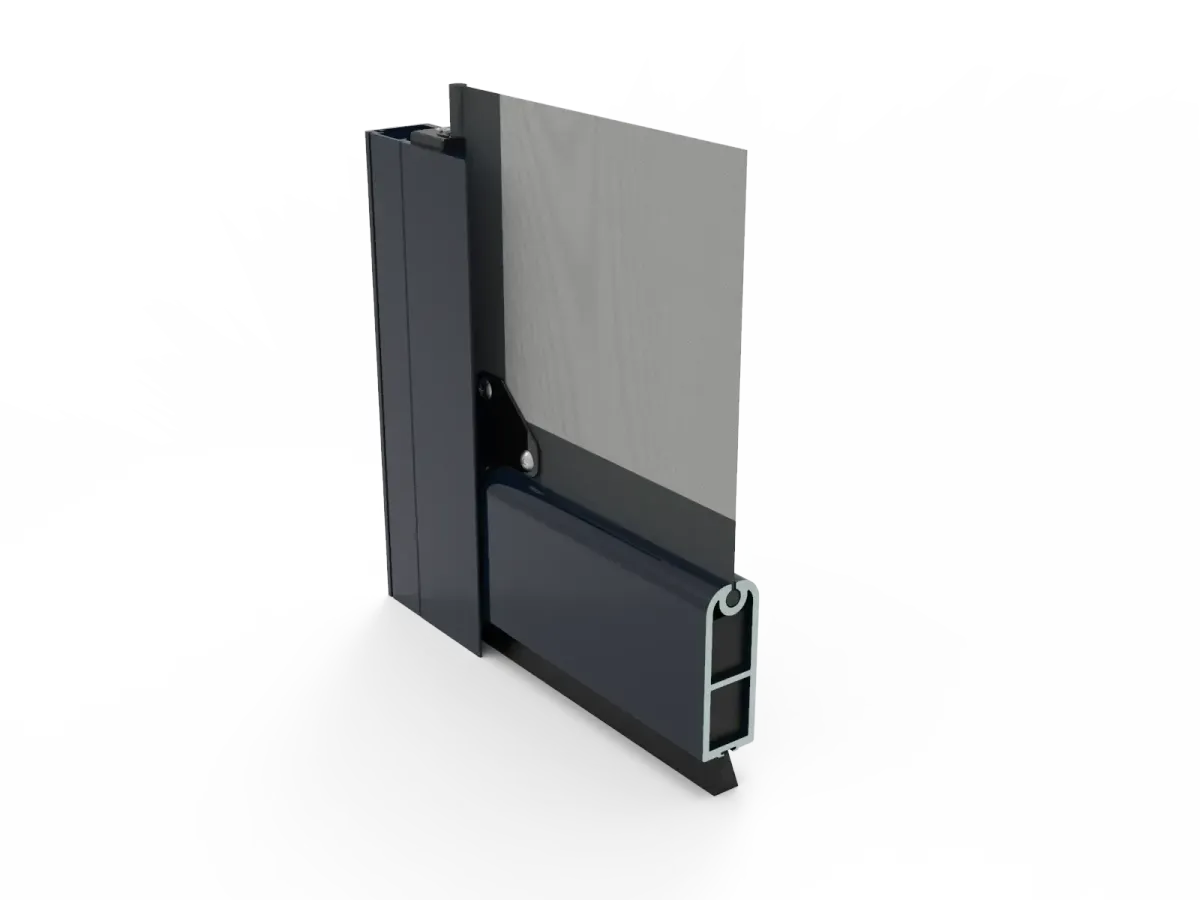
For nearly two decades, MaxForce has manufactured hurricane screens to meet the most demanding building code, the High Velocity Hurricane Zone of Miami-Dade. The MaxForce track is our newest version of the fixed track we have used with great success for high wind applications all over the globe.
The benefits of a fixed track are unmatched strength - this is important when designing a screen system for hurricanes. When you want the strongest system available, and a proven veteran of many hurricanes, the MaxForce Hurricane Track is your best choice.
MAXFORCE THE #1 MOTORIZED
HURRICANE SCREEN
Contact A+ Certified MaxForce Screen
Dealer Today...
MAXFORCE HURRICANE SCREENS
Engineering Features
No blowouts. No rewraps.
No frustration.
MaxForce is the only retractable screen system on the market designed to stay locked in the track—even in high winds. Smart motor senses resistance and adjusts seamlessly, allowing self-correction when the screen encounters an obstacle: Fewer snags, fewer jams, and fewer costly service calls.
No Zipper. No Cable.
Just Simple Deployment
MaxForce pioneered Keder-edge technology in motorized screens, delivering unmatched durability and simplicity. Borrowed from sailboat rigging, this system eliminates zippers, cables, and exposed hardware—ensuring smooth, reliable operation every time.
Heavy Duty
The MaxForce weight bar is engineered for strength—and built to hold its ground. Pound for pound, it’s the heaviest and most robust weight bar in the industry. This ensures proper screen tension, flawless deployment, and maximum stability in high wind zones. —limited flex, no failure.
Reinforced Corners
MaxForce’s heavy-duty weight bar isn’t just strong. It’s smart. Reinforced corners and integrated tie-ins create a unified structure that acts like a solid wall of protection when deployed. Made from high-strength nylon, this bar absorbs impacts while maintaining structural integrity.

HEADACHE-FREE
Exclusive self-tensioning system eliminates 99.9% of screen issues. No track adjustments, broken zippers, or dislodged screens.

LIFETIME WARRANTY
Exterior shade screens reduce cooling bills and MaxForce hurricane screens reduce insurance premiums in hurricane zones.

HURRICANE STRONG
Our MaxForce tracks and advanced hybrid ballistic fabrics withstand 150+ mph winds. Approved by Florida Building Commission for hurricane zones. Lab and real-world tested.

BUILT TO LAST
We use marine-grade materials such as powder-coated aluminum, UV-protected nylons, stainless steel fasteners, and premium fabrics. Resists corrosion, rust, and screen failure.

COST-SAVING
Exterior shade screens reduce cooling bills and MaxForce hurricane screens reduce insurance premiums in hurricane zones.

SMART CONTROLS
Control MaxForce screens via remote and
phone or integrate with popular home automation systems for advanced
capabilities.

SECURE TRACK
MaxForce Fix Hurricane Track holds firm under extreme loads

MAX CORROSION PROTECTION
Powder Coated Aluminum Protects your investment from exposer and corrosion.

HEAVY-DUTY DESIGN
Our screens are designed to withstand the extreme. High wind, Rain, or Shine, Dust Dirt, Dander, it doesn't matter. MaxForce Cover it all.

CUSTOM-MADE SCREENS
Tailor-made screens with vast color, fabric, and system options. Custom paint color and fabric matching are available.
MAXFORCE THE #1 MOTORIZED HURRICANE SCREEN
Contact A+ Certified MaxForce Screen Dealer Today...
HEADACHE-FREE
Exclusive self-tensioning system eliminates 99.9% of screen issues.
No track adjustments, broken zippers,
or dislodged screens.
LIFETIME WARRANTY
Exterior shade screens reduce cooling
bills and MaxForce hurricane screens
reduce insurance premiums in
hurricane zones.
HURRICANE STRONG
Our MaxForce tracks and advanced hybrid ballistic fabrics withstand
150+ mph winds. Approved by Florida Building Commission for hurricane
zones. Lab and real-world tested.
BUILT TO LAST
We use marine-grade materials such
as powder-coated aluminum, UV-protected nylons, stainless steel
fasteners, and premium fabrics. Resists corrosion, rust, and screen failure.
COST-SAVING
Exterior shade screens reduce cooling
bills and MaxForce hurricane screens
reduce insurance premiums in
hurricane zones.
SMART CONTROLS
Control MaxForce screens via remote and
phone or integrate with popular home automation systems for advanced
capabilities.
SECURE TRACK
MaxForce Fix Hurricane Track holds firm under extreme loads
MAX CORROSION PROTECTION
Powder Coated Aluminum Protects your investment from exposer and corrosion.
HEAVY-DUTY DESIGN
Our screens are designed to withstand
the extreme. High wind, Rain, or Shine,
Dust Dirt, Dander, it doesn't matter. MaxForce Cover it all.
CUSTOM-MADE SCREENS
Tailor-made screens with vast color, fabric, and system options. Custom
paint color and fabric matching are available.
MAXFORCE THE #1 MOTORIZED
HURRICANE SCREEN
Contact A+ Certified MaxForce Screen
Dealer Today...
MAXFORCE
Ready For Life's Storms
MAXFORCE HURRICANE SCREEN SYSTEM
A Certified, Tested System...
The MaxForce Hurricane Screen System meets or exceeds Miami-Dade and Florida Building Code requirements—the toughest hurricane codes on earth—for roll-down hurricane screens. Rated for the 185 MPH wind zone, and with real-world and certified testing. With spans of up to 25 feet, they exceed performance criteria for all local and International Building Codes.
MAXFORCE THE #1 MOTORIZED HURRICANE SCREEN
Contact A+ Certified MaxForce Screen Dealer Today...
MAXFORCE
Ready For Life's Storms
MAXFORCE HURRICANE SCREEN SYSTEM
A Certified, Tested System...
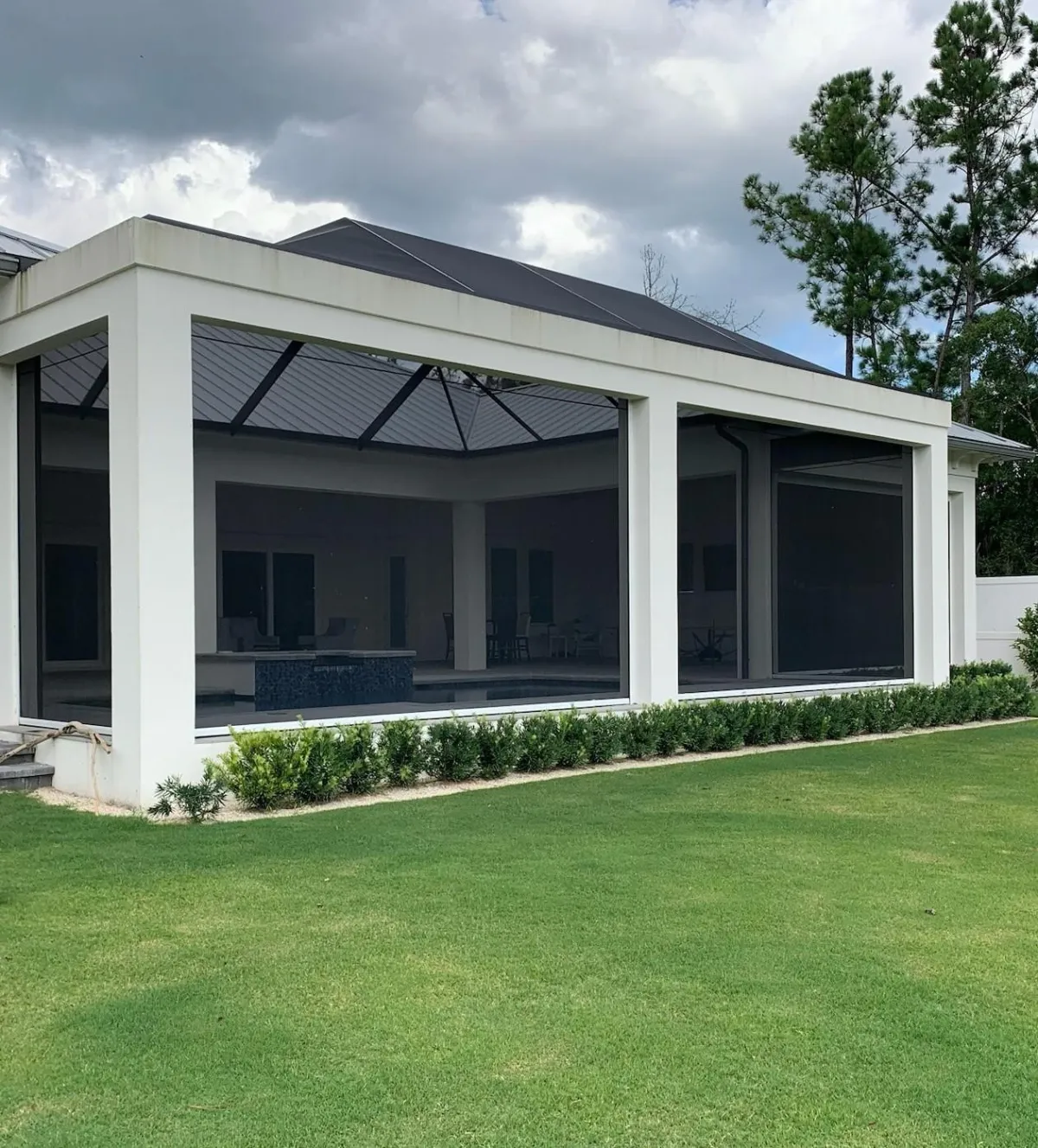
The MaxForce Hurricane Screen System meets or exceeds Miami-Dade and Florida Building Code requirements—the toughest hurricane codes on earth—for roll-down hurricane screens. Rated for the 185 MPH wind zone, and with real-world and certified testing. With spans of up to 25 feet, they exceed performance criteria for all local and International Building Codes.
MAXFORCE THE #1 MOTORIZED
HURRICANE SCREEN
Contact A+ Certified MaxForce Screen
Dealer Today...
THE MAXFORCE DIFFERENCE
Maxforce Hurricane Screen
THE MAXFORCE DIFFERENCE
MaxForce Hurricane Screen
MaxForce Hurricane Screens, powered by our MaxForce system, meet the toughest standards—including HVHZ certification in Miami-Dade and Broward. They last longer, resist more, and do more than any screen on the market—proven protection without compromise.
MaxForce Hurricane Screens —Delivers 365 days of perfect protection, rain or shine, on your patio and lanai. With the push of a button or a tap on the mobile app, your patio is storm-ready— furniture and openings fully protected in seconds.
MaxForce Hurricane Screens fabric blocks up to 95% of the sun’s damaging UV-rays while shielding against wind, rain, insects, dust, and debris. It also helps reduce heat and lower energy costs by limiting solar exposure—comfort and protection in one smart solution.
Like all Maxforce products, our MaxForce Hurricane Screens are highly customizable and built to order—made to fit your exact openings. No guesswork, no compromises—just precision-fit protection tailored to your space.
Pair our retractable MaxForce Hurricane Screens with other Maxforce screens for customized and independent solutions. Each screen operates independently, giving you the protection you want when you need it.
MaxForce Hurricane Screens offer built-in privacy without blocking your view. Like a two-way mirror, you can see out—but neighbors and passersby can not see in. It provides the perfect blend of openness and seclusion, day or night.
MAXFORCE THE #1 MOTORIZED HURRICANE SCREEN
Contact A+ Certified MaxForce Screen Dealer Today...
INTEGRITY MATTERS
How MaxForce Is Made Matters
MaxForce Hurricane Screens, powered by our MaxForce system, meet the toughest standards—including HVHZ certification in Miami-Dade and Broward. They last longer, resist more, and do more than any screen on the market—proven protection without compromise.
.
MaxForce Hurricane Screens —Delivers 365 days of perfect protection, rain or shine, on your patio and lanai. With the push of a button or a tap on the mobile app, your patio is storm-ready— furniture and openings fully protected in seconds.
MaxForce Hurricane Screens fabric blocks up to 95% of the sun’s damaging UV-rays while shielding against wind, rain, insects, dust, and debris. It also helps reduce heat and lower energy costs by limiting solar exposure—comfort and protection in one smart solution.
.
Like all Maxforce products, our MaxForce Hurricane Screens are highly customizable and built to order—made to fit your exact openings. No guesswork, no compromises—just precision-fit protection tailored to your space.
.
Pair our retractable MaxForce Hurricane Screens with other Maxforce screens for customized and independent solutions. Each screen operates independently, giving you the protection you want when you need it.
.
MaxForce Hurricane Screens offer built-in privacy without blocking your view. Like a two-way mirror, you can see out—but neighbors and passersby can not see in. It provides the perfect blend of openness and seclusion, day or night.
.
MAXFORCE THE #1 MOTORIZED
HURRICANE SCREEN
Contact A+ Certified MaxForce Screen
Dealer Today...
INTEGRITY MATTERS
How MaxForce Is
Made Matters
AMERICAN INGENUITY
Made in the USA.
Proudly Made in the USA—every MaxForce screen is built with American strength, precision, and pride. From the smallest components to the final assembly, our materials are sourced and manufactured right here in the United States. No outsourcing. No compromises. Just hardworking Americans protecting American homes with the toughest screen system on the market.
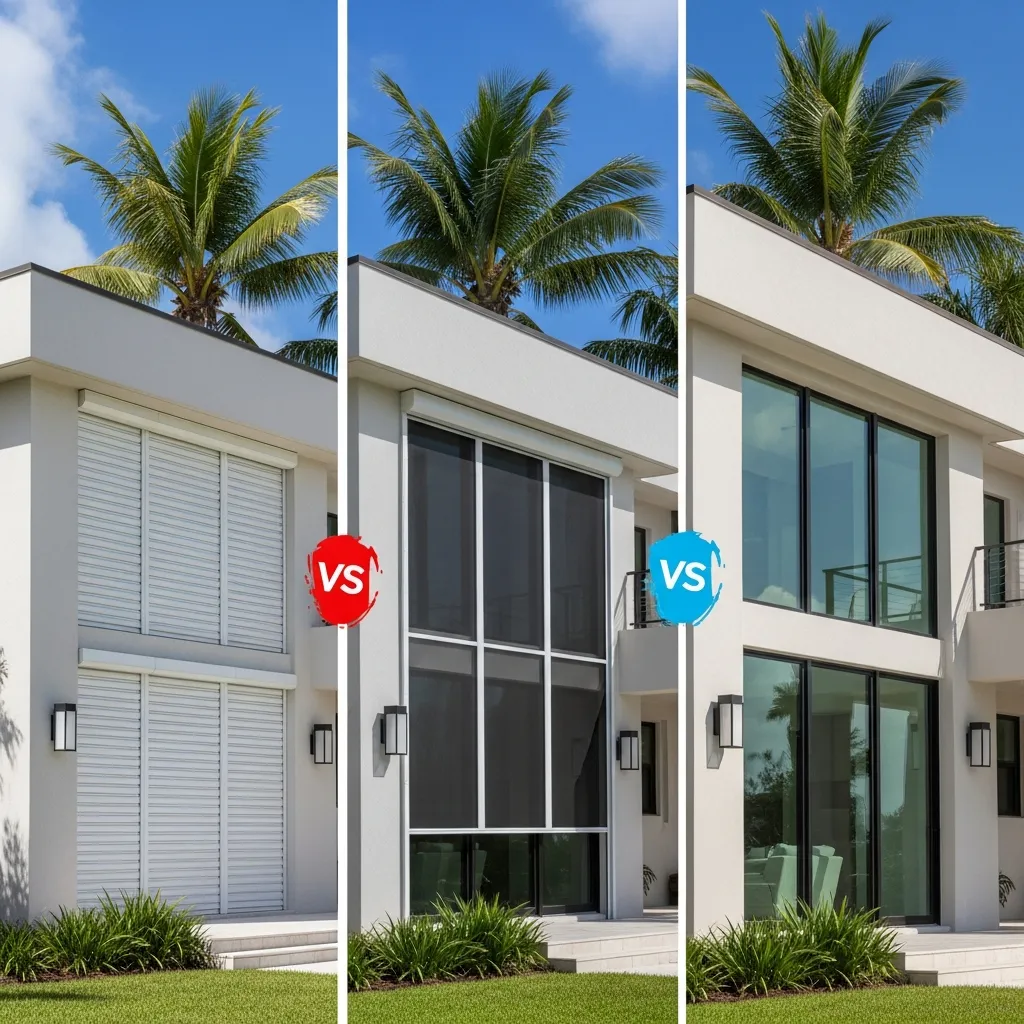
Hurricane Shutters vs Screens vs Impact Glass: The Honest Comparison Guide
Shutters, Screens, or Impact Glass: The Honest Comparison Guide for Homeowners Who Want Real Answers
The Problem with Every Comparison You've Read So Far
If you have spent any time researching hurricane protection, you have
already noticed the pattern. Every manufacturer\'s website presents the
same general structure: here is our product, here is why it is better
than every alternative, here is our phone number. The comparison is
designed to end with a purchase, not a decision.
The result is an exhausting cycle of conflicting claims. Shutter
companies explain why shutters are superior. Impact glass companies
explain why glass is superior. Screen manufacturers position screens as
the future that makes everything else obsolete. Each presents data
selectively, emphasizing the criteria where their product leads and
quietly omitting the criteria where it does not.
This is not dishonesty. It is marketing. But it leaves homeowners in a
genuinely difficult position. You are preparing to invest somewhere
between \$5,000 and \$50,000 to protect your home and your family. You
deserve a comparison built around what you care about --- not what any
single manufacturer wants you to care about.
That is the purpose of this article. It compares the three major
categories of hurricane protection --- traditional shutters, motorized
hurricane screens, and impact-resistant glass --- across five decision
criteria that matter to homeowners. Where a product category excels,
this guide says so. Where it falls short, this guide says that too. No
product is perfect for every home, every budget, or every lifestyle. But
every homeowner has a best option, and the way you find it is by
understanding the honest tradeoffs.
Save this comparison. Bring it to every consultation. Use it to ask better questions.
What Is the Difference Between Hurricane Shutters, Screens, and Impact Glass?
Hurricane shutters are exterior barriers --- typically aluminum panels,
accordion systems, or roll-down assemblies --- that cover windows and
doors during storms. They require deployment before a storm and are
removed or retracted afterward. Motorized hurricane screens are
permanently installed fabric-based systems that deploy vertically on
tracks, using engineered materials such as aramid or high-tenacity PET
to absorb debris impact. They can be deployed remotely or automatically.
Impact-resistant glass replaces standard windows with laminated glass
assemblies that remain in place permanently, requiring no deployment.
All three categories can meet the same certification standards --- ASTM
E1886/E1996 for impact and cyclic pressure testing, and Florida Building
Code or Miami-Dade TAS 201/202/203 for high-velocity hurricane zone
approval. The differences lie in deployment method, aesthetic impact,
daily usability, cost structure, and insurance qualification.
Five Criteria That Actually Matter
Criterion 1: Protection Level and Certification
This is the criterion that should come first because it is the one where
the differences are smallest --- and where marketing creates the most
confusion.
All three product categories, when properly certified, meet the same
fundamental testing standard: resistance to a nine-pound two-by-four
lumber missile striking end-on at 34 miles per hour (ASTM E1996 standard
missile) or 50 feet per second (Miami-Dade TAS 201 large missile),
followed by thousands of cycles of positive and negative wind pressure.
This is the test that earns Florida Building Code Product Approval or a
Miami-Dade Notice of Acceptance. Shutters pass it. Screens pass it.
Impact glass passes it.
The meaningful differences are in how each system handles repeated or
multiple impacts during a single storm and what happens to the product
after the impact event. Aluminum shutters dent but maintain the barrier.
Impact glass cracks but the laminated interlayer holds the assembly
together, preventing breach. Hurricane screens absorb and distribute the
impact force across the fabric membrane, and high-performance screen
materials like aramid fiber can sustain multiple impacts without
penetration.
The honest assessment: If a product carries a valid Florida Product
Approval or Miami-Dade NOA, it has passed the same certification test
regardless of category. Protection level is the starting line all three
share, not where they differentiate.
Criterion 2: Deployment Speed and Convenience
This is where the categories diverge most dramatically, and where the
practical implications are most significant.
Traditional shutters require manual deployment. Storm panels must be
physically carried to each opening, lifted into tracks, and bolted in
place --- four to eight hours of physical labor for a typical home.
Accordion shutters are permanently mounted and fold out from each
opening in thirty to sixty minutes, but require the homeowner to be
present at every window. Motorized roll-down shutters deploy in minutes
with a button press but are the most expensive shutter subcategory and
require periodic mechanical maintenance.
Motorized hurricane screens deploy vertically on tracks, operated by
remote control, wall switch, or smart home integration. Whole-home
deployment takes minutes rather than hours. Because screens are
permanently installed and motor-driven, they can be activated by a
property manager if the homeowner is away, or deployed remotely from any
location.
Impact-resistant glass requires no deployment at all. The protection
is structural and permanent. There is nothing to deploy, nothing to
remember, nothing that requires physical presence. The glass is always
in place.
The honest assessment: Impact glass wins on convenience absolutely
--- it is always ready. Motorized screens offer near-equivalent
readiness with retractable flexibility. Traditional shutters, especially
manual panels, require significant effort and physical presence,
creating real vulnerability for homeowners who travel or have limited
mobility.
Criterion 3: Aesthetic Impact and Daily Living
Hurricane protection is installed for the worst day. But you live with
it every other day of the year. This criterion matters more than most
homeowners anticipate.
Traditional shutters are visible. Accordion tracks sit at the edges
of every window. Roll-down housing boxes mount above window headers.
Storm panels create a fully enclosed, lightless interior when deployed.
Some styles --- Bahama and colonial --- offer architectural character
but restrict sight lines and alter the home's exterior permanently. When
closed, all shutter types block natural light completely.
Motorized hurricane screens are largely invisible when retracted,
housed in compact cassettes above the opening. When deployed, screen
fabrics are translucent --- they reduce but do not eliminate natural
light, and some materials maintain partial visibility. This means the
home is not plunged into darkness during a storm. When retracted, there
is no visible alteration to the home's facade.
Impact-resistant glass is visually indistinguishable from standard
windows. There is no visible hardware, no deployment mechanism, no
alteration to the home's appearance. Natural light is unaffected. The
glass also provides year-round UV filtering and sound reduction ---
benefits unrelated to hurricanes but significant for daily quality of
life.
The honest assessment: Impact glass is the clear aesthetic winner.
Screens offer a close second with minimal visual footprint and
translucent deployment. Traditional shutters, particularly storm panels
and accordion systems, have the most significant aesthetic impact on the
home.
Criterion 4: Insurance Premium Impact
Florida law requires insurers to offer wind mitigation discounts for
homes with qualifying hurricane protection. The Florida Department of
Financial Services reports that homeowners can receive 10 to 45 percent
off their windstorm premiums for approved wind mitigation features,
including opening protection.
Here is what most comparison articles omit: all three product categories
qualify for the same opening protection credit on the state's wind
mitigation inspection form (OIR-B1-1802), *provided they meet the same
conditions*. The product must carry a valid Florida Product Approval or
Miami-Dade NOA. The installation must cover all openings --- every
window, every door, every skylight, and the garage door. Even one
unprotected opening can disqualify the entire credit. And the
installation must be documented by a certified wind mitigation
inspector.
There is, however, a practical difference. Insurance claims can become
complicated when the homeowner has deployment-dependent protection that
was not deployed. If shutters are not closed before a storm and the home
sustains damage, some insurers have denied claims on the grounds that
the homeowner failed to take reasonable steps to mitigate loss. Impact
glass and permanently installed screens that require no manual
intervention eliminate this variable entirely.
The honest assessment: All three categories can qualify for the same
insurance discounts. The difference is in claims reliability: products
that are always deployed or require no deployment carry fewer claim
complications than products that depend on the homeowner remembering and
being able to act.
Criterion 5: Total Cost of Ownership Over Ten Years
Purchase price is what homeowners ask about first. Total cost of
ownership is what they should ask about --- because the initial number
on the quote is only the beginning of the financial equation.
Traditional shutters have the lowest entry point. Storm panels start
at \$10 to \$20 per square foot. Accordion shutters run \$15 to \$30 per
square foot. Motorized roll-downs reach \$30 to \$60 per square foot.
Whole-home installations typically range from \$2,000 to \$8,000 for
basic systems and \$8,000 to \$20,000 for premium roll-downs.
Maintenance includes periodic cleaning, lubrication, and hardware
replacement. Lifespan is typically 10 to 20 years, meaning at least one
replacement cycle within a 25-year ownership period.
Motorized hurricane screens occupy the middle range. Whole-home
installations with aramid-fabric screens typically run \$15,000 to
\$35,000, depending on opening sizes and motor systems. Maintenance
requirements are moderate --- fabric inspection, track cleaning, motor
servicing. High-quality screen fabrics carry 10-year warranties and are
designed for continuous exposure without UV degradation. Screen systems
also serve dual purposes: insect screening, solar shading, and privacy
when deployed in non-storm conditions.
Impact-resistant glass carries the highest initial cost. Whole-home
installations range from \$10,000 to \$50,000 or more, depending on
window count, size, and frame material. However, impact glass requires
virtually no maintenance beyond standard cleaning, carries the longest
lifespan (20 to 30 years with manufacturer warranties of 10 to 25
years), and adds the most to property resale value. Energy efficiency
improvements can offset \$300 to \$500 annually in utility savings.
The honest assessment: Traditional shutters cost the least upfront.
Impact glass costs the most upfront but carries the lowest lifetime
maintenance cost and the highest resale value contribution. Motorized
screens offer a middle path with the added value of daily-use
functionality. The right answer depends on your budget, your time
horizon, and how you value the non-storm benefits each product provides.
Which Hurricane Protection Is Best for Homes?
There is no single best hurricane protection product for all homes. The
best choice depends on the homeowner's priorities across five criteria:
protection certification (all three categories meet the same standards),
deployment convenience (impact glass requires none, screens deploy
remotely, shutters require manual effort), aesthetic impact (glass is
invisible, screens are minimal, shutters are visible), insurance
qualification (all qualify, but deployment-dependent products carry more
claims risk), and total cost of ownership (shutters cost less upfront,
glass costs more but lasts longer). Homeowners who prioritize
convenience and aesthetics tend to choose impact glass or motorized
screens. Homeowners who prioritize budget tend to choose traditional
shutters. The best approach is to rank the five criteria by personal
importance and evaluate each product against your own priorities.
How to Use This Comparison
The five criteria above are not equally important to every homeowner. A
retired couple who lives in their home year-round will weigh these
criteria differently than a working professional who travels frequently.
A homeowner on a fixed income will weigh cost differently than one who
views hurricane protection as a long-term property investment.
Here is how to turn this comparison into a decision. Rank the five
criteria in order of personal importance. Be honest about what matters
most to you --- not what you think should matter most. Then evaluate
each product category against your top two or three criteria. The option
that performs best where you ranked highest is very likely the right
choice for your home.
This approach works because it removes the manufacturer from the
decision. No one is steering you toward a predetermined conclusion. You
are applying your own values to objective performance differences. And
when you sit down with a contractor and they tell you their product is
the best, you will have the framework to ask: best according to which
criteria?
Do Hurricane Screens Qualify for Insurance Discounts?
Yes. Hurricane screens that carry a valid Florida Product Approval or
Miami-Dade Notice of Acceptance qualify for wind mitigation insurance
credits on the same basis as shutters and impact glass. The discount
applies to the windstorm portion of the homeowner's premium, which in
Florida represents 15 to 70 percent of the total premium depending on
location. To qualify, all openings must be protected --- windows, doors,
skylights, and garage door. The homeowner must obtain a wind mitigation
inspection (Form OIR-B1-1802) from a certified inspector. Florida law
requires insurers to offer these credits, with potential savings of 10
to 45 percent on the windstorm portion of premiums.
Six Questions to Ask Any Contractor, Regardless of Product
When you sit down with a hurricane protection contractor, these
questions apply to any product category. They are designed to separate
qualified, transparent professionals from those who rely on pressure or
vague claims.
1. What is the Florida Product Approval number or Miami-Dade NOA number for this product?
Every certified product has a searchable
approval number. If a contractor cannot provide it, the product may not
be code-compliant.
2. What specific ASTM and TAS standards has this product been tested to?
Look for ASTM E1886, ASTM E1996, ASTM E330, and, in high-velocity
hurricane zones, TAS 201, 202, and 203.
3. Will this installation qualify for wind mitigation insurance credits on all openings?
A partial installation may not qualify. Ask
whether the scope covers every opening required for the credit.
4. What is the total installed cost, and what does the warranty cover?
Get the number in writing. Ask separately about product
warranty, installation warranty, and what is excluded from each.
5. What maintenance is required over the product's lifespan, and what does that cost?
Lifetime cost matters more than purchase price. A
lower-cost product with higher maintenance may cost more over ten years.
6. Can I see a completed installation on a home similar to mine?
Any reputable contractor should be willing to show their work. Seeing a
product installed on a comparable home is worth more than any brochure.
The Decision Beyond the Decision
If you have read this far, you now have a decision framework that most
homeowners never receive. You understand the criteria. You know the
tradeoffs. You have the questions to ask. What remains is action --- and
the timing window we examined in the previous article makes that action
time-sensitive.
But there is one more assumption worth examining before you commit. Most
homeowners reading this article assume they know whether they are in a
hurricane's path. They assume that hurricane protection is a Florida
problem, a Gulf Coast decision, a coastal investment. The 2024 hurricane
season challenged that assumption in devastating fashion.
Hurricane Helene made landfall in Florida's Big Bend region and then
carried catastrophic destruction through Georgia, into the Carolinas,
and up into Appalachian communities that had never considered themselves
hurricane-vulnerable. Asheville, North Carolina --- 300 miles from the
nearest coast --- experienced flooding and wind damage that reshaped how
emergency management professionals define hurricane risk.
The next article in this series examines what the expanding geography of
hurricane risk means for homeowners who have never thought of themselves
as hurricane homeowners. Because the decision you just learned to make
may apply to more homes than anyone assumed.

Company
MaxForce Hurricane Screens
Design Ideals
Resources


© 2025 Maxforce - Powered by Fenetex and Friends of Oatis
AMERICAN INGENUITY
Made in the USA
Proudly Made in the USA—every MaxForce screen is built with American strength, precision, and pride. From the smallest components to the final assembly, our materials are sourced and manufactured right here in the United States. No outsourcing. No compromises. Just hardworking Americans protecting American homes with the toughest screen system on the market.
Hurricane Shutters vs Screens vs Impact Glass: The Honest Comparison Guide
Shutters, Screens, or Impact Glass: The Honest Comparison Guide for Homeowners Who Want Real Answers
The Problem with Every Comparison You've Read So Far
If you have spent any time researching hurricane protection, you have
already noticed the pattern. Every manufacturer\'s website presents the
same general structure: here is our product, here is why it is better
than every alternative, here is our phone number. The comparison is
designed to end with a purchase, not a decision.
The result is an exhausting cycle of conflicting claims. Shutter
companies explain why shutters are superior. Impact glass companies
explain why glass is superior. Screen manufacturers position screens as
the future that makes everything else obsolete. Each presents data
selectively, emphasizing the criteria where their product leads and
quietly omitting the criteria where it does not.
This is not dishonesty. It is marketing. But it leaves homeowners in a
genuinely difficult position. You are preparing to invest somewhere
between \$5,000 and \$50,000 to protect your home and your family. You
deserve a comparison built around what you care about --- not what any
single manufacturer wants you to care about.
That is the purpose of this article. It compares the three major
categories of hurricane protection --- traditional shutters, motorized
hurricane screens, and impact-resistant glass --- across five decision
criteria that matter to homeowners. Where a product category excels,
this guide says so. Where it falls short, this guide says that too. No
product is perfect for every home, every budget, or every lifestyle. But
every homeowner has a best option, and the way you find it is by
understanding the honest tradeoffs.
Save this comparison. Bring it to every consultation. Use it to ask better questions.
What Is the Difference Between Hurricane Shutters, Screens, and Impact Glass?
Hurricane shutters are exterior barriers --- typically aluminum panels,
accordion systems, or roll-down assemblies --- that cover windows and
doors during storms. They require deployment before a storm and are
removed or retracted afterward. Motorized hurricane screens are
permanently installed fabric-based systems that deploy vertically on
tracks, using engineered materials such as aramid or high-tenacity PET
to absorb debris impact. They can be deployed remotely or automatically.
Impact-resistant glass replaces standard windows with laminated glass
assemblies that remain in place permanently, requiring no deployment.
All three categories can meet the same certification standards --- ASTM
E1886/E1996 for impact and cyclic pressure testing, and Florida Building
Code or Miami-Dade TAS 201/202/203 for high-velocity hurricane zone
approval. The differences lie in deployment method, aesthetic impact,
daily usability, cost structure, and insurance qualification.
Five Criteria That Actually Matter
Criterion 1: Protection Level and Certification
This is the criterion that should come first because it is the one where
the differences are smallest --- and where marketing creates the most
confusion.
All three product categories, when properly certified, meet the same
fundamental testing standard: resistance to a nine-pound two-by-four
lumber missile striking end-on at 34 miles per hour (ASTM E1996 standard
missile) or 50 feet per second (Miami-Dade TAS 201 large missile),
followed by thousands of cycles of positive and negative wind pressure.
This is the test that earns Florida Building Code Product Approval or a
Miami-Dade Notice of Acceptance. Shutters pass it. Screens pass it.
Impact glass passes it.
The meaningful differences are in how each system handles repeated or
multiple impacts during a single storm and what happens to the product
after the impact event. Aluminum shutters dent but maintain the barrier.
Impact glass cracks but the laminated interlayer holds the assembly
together, preventing breach. Hurricane screens absorb and distribute the
impact force across the fabric membrane, and high-performance screen
materials like aramid fiber can sustain multiple impacts without
penetration.
The honest assessment: If a product carries a valid Florida Product
Approval or Miami-Dade NOA, it has passed the same certification test
regardless of category. Protection level is the starting line all three
share, not where they differentiate.
Criterion 2: Deployment Speed and Convenience
This is where the categories diverge most dramatically, and where the
practical implications are most significant.
Traditional shutters require manual deployment. Storm panels must be
physically carried to each opening, lifted into tracks, and bolted in
place --- four to eight hours of physical labor for a typical home.
Accordion shutters are permanently mounted and fold out from each
opening in thirty to sixty minutes, but require the homeowner to be
present at every window. Motorized roll-down shutters deploy in minutes
with a button press but are the most expensive shutter subcategory and
require periodic mechanical maintenance.
Motorized hurricane screens deploy vertically on tracks, operated by
remote control, wall switch, or smart home integration. Whole-home
deployment takes minutes rather than hours. Because screens are
permanently installed and motor-driven, they can be activated by a
property manager if the homeowner is away, or deployed remotely from any
location.
Impact-resistant glass requires no deployment at all. The protection
is structural and permanent. There is nothing to deploy, nothing to
remember, nothing that requires physical presence. The glass is always
in place.
The honest assessment: Impact glass wins on convenience absolutely
--- it is always ready. Motorized screens offer near-equivalent
readiness with retractable flexibility. Traditional shutters, especially
manual panels, require significant effort and physical presence,
creating real vulnerability for homeowners who travel or have limited
mobility.
Criterion 3: Aesthetic Impact and Daily Living
Hurricane protection is installed for the worst day. But you live with
it every other day of the year. This criterion matters more than most
homeowners anticipate.
Traditional shutters are visible. Accordion tracks sit at the edges
of every window. Roll-down housing boxes mount above window headers.
Storm panels create a fully enclosed, lightless interior when deployed.
Some styles --- Bahama and colonial --- offer architectural character
but restrict sight lines and alter the home's exterior permanently. When
closed, all shutter types block natural light completely.
Motorized hurricane screens are largely invisible when retracted,
housed in compact cassettes above the opening. When deployed, screen
fabrics are translucent --- they reduce but do not eliminate natural
light, and some materials maintain partial visibility. This means the
home is not plunged into darkness during a storm. When retracted, there
is no visible alteration to the home's facade.
Impact-resistant glass is visually indistinguishable from standard
windows. There is no visible hardware, no deployment mechanism, no
alteration to the home's appearance. Natural light is unaffected. The
glass also provides year-round UV filtering and sound reduction ---
benefits unrelated to hurricanes but significant for daily quality of
life.
The honest assessment: Impact glass is the clear aesthetic winner.
Screens offer a close second with minimal visual footprint and
translucent deployment. Traditional shutters, particularly storm panels
and accordion systems, have the most significant aesthetic impact on the
home.
Criterion 4: Insurance Premium Impact
Florida law requires insurers to offer wind mitigation discounts for
homes with qualifying hurricane protection. The Florida Department of
Financial Services reports that homeowners can receive 10 to 45 percent
off their windstorm premiums for approved wind mitigation features,
including opening protection.
Here is what most comparison articles omit: all three product categories
qualify for the same opening protection credit on the state's wind
mitigation inspection form (OIR-B1-1802), *provided they meet the same
conditions*. The product must carry a valid Florida Product Approval or
Miami-Dade NOA. The installation must cover all openings --- every
window, every door, every skylight, and the garage door. Even one
unprotected opening can disqualify the entire credit. And the
installation must be documented by a certified wind mitigation
inspector.
There is, however, a practical difference. Insurance claims can become
complicated when the homeowner has deployment-dependent protection that
was not deployed. If shutters are not closed before a storm and the home
sustains damage, some insurers have denied claims on the grounds that
the homeowner failed to take reasonable steps to mitigate loss. Impact
glass and permanently installed screens that require no manual
intervention eliminate this variable entirely.
The honest assessment: All three categories can qualify for the same
insurance discounts. The difference is in claims reliability: products
that are always deployed or require no deployment carry fewer claim
complications than products that depend on the homeowner remembering and
being able to act.
Criterion 5: Total Cost of Ownership Over Ten Years
Purchase price is what homeowners ask about first. Total cost of
ownership is what they should ask about --- because the initial number
on the quote is only the beginning of the financial equation.
Traditional shutters have the lowest entry point. Storm panels start
at \$10 to \$20 per square foot. Accordion shutters run \$15 to \$30 per
square foot. Motorized roll-downs reach \$30 to \$60 per square foot.
Whole-home installations typically range from \$2,000 to \$8,000 for
basic systems and \$8,000 to \$20,000 for premium roll-downs.
Maintenance includes periodic cleaning, lubrication, and hardware
replacement. Lifespan is typically 10 to 20 years, meaning at least one
replacement cycle within a 25-year ownership period.
Motorized hurricane screens occupy the middle range. Whole-home
installations with aramid-fabric screens typically run \$15,000 to
\$35,000, depending on opening sizes and motor systems. Maintenance
requirements are moderate --- fabric inspection, track cleaning, motor
servicing. High-quality screen fabrics carry 10-year warranties and are
designed for continuous exposure without UV degradation. Screen systems
also serve dual purposes: insect screening, solar shading, and privacy
when deployed in non-storm conditions.
Impact-resistant glass carries the highest initial cost. Whole-home
installations range from \$10,000 to \$50,000 or more, depending on
window count, size, and frame material. However, impact glass requires
virtually no maintenance beyond standard cleaning, carries the longest
lifespan (20 to 30 years with manufacturer warranties of 10 to 25
years), and adds the most to property resale value. Energy efficiency
improvements can offset \$300 to \$500 annually in utility savings.
The honest assessment: Traditional shutters cost the least upfront.
Impact glass costs the most upfront but carries the lowest lifetime
maintenance cost and the highest resale value contribution. Motorized
screens offer a middle path with the added value of daily-use
functionality. The right answer depends on your budget, your time
horizon, and how you value the non-storm benefits each product provides.
Which Hurricane Protection Is Best for Homes?
There is no single best hurricane protection product for all homes. The
best choice depends on the homeowner's priorities across five criteria:
protection certification (all three categories meet the same standards),
deployment convenience (impact glass requires none, screens deploy
remotely, shutters require manual effort), aesthetic impact (glass is
invisible, screens are minimal, shutters are visible), insurance
qualification (all qualify, but deployment-dependent products carry more
claims risk), and total cost of ownership (shutters cost less upfront,
glass costs more but lasts longer). Homeowners who prioritize
convenience and aesthetics tend to choose impact glass or motorized
screens. Homeowners who prioritize budget tend to choose traditional
shutters. The best approach is to rank the five criteria by personal
importance and evaluate each product against your own priorities.
How to Use This Comparison
The five criteria above are not equally important to every homeowner. A
retired couple who lives in their home year-round will weigh these
criteria differently than a working professional who travels frequently.
A homeowner on a fixed income will weigh cost differently than one who
views hurricane protection as a long-term property investment.
Here is how to turn this comparison into a decision. Rank the five
criteria in order of personal importance. Be honest about what matters
most to you --- not what you think should matter most. Then evaluate
each product category against your top two or three criteria. The option
that performs best where you ranked highest is very likely the right
choice for your home.
This approach works because it removes the manufacturer from the
decision. No one is steering you toward a predetermined conclusion. You
are applying your own values to objective performance differences. And
when you sit down with a contractor and they tell you their product is
the best, you will have the framework to ask: best according to which
criteria?
Do Hurricane Screens Qualify for Insurance Discounts?
Yes. Hurricane screens that carry a valid Florida Product Approval or
Miami-Dade Notice of Acceptance qualify for wind mitigation insurance
credits on the same basis as shutters and impact glass. The discount
applies to the windstorm portion of the homeowner's premium, which in
Florida represents 15 to 70 percent of the total premium depending on
location. To qualify, all openings must be protected --- windows, doors,
skylights, and garage door. The homeowner must obtain a wind mitigation
inspection (Form OIR-B1-1802) from a certified inspector. Florida law
requires insurers to offer these credits, with potential savings of 10
to 45 percent on the windstorm portion of premiums.
Six Questions to Ask Any Contractor, Regardless of Product
When you sit down with a hurricane protection contractor, these
questions apply to any product category. They are designed to separate
qualified, transparent professionals from those who rely on pressure or
vague claims.
1. What is the Florida Product Approval number or Miami-Dade NOA number for this product?
Every certified product has a searchable
approval number. If a contractor cannot provide it, the product may not
be code-compliant.
2. What specific ASTM and TAS standards has this product been tested to?
Look for ASTM E1886, ASTM E1996, ASTM E330, and, in high-velocity
hurricane zones, TAS 201, 202, and 203.
3. Will this installation qualify for wind mitigation insurance credits on all openings?
A partial installation may not qualify. Ask
whether the scope covers every opening required for the credit.
4. What is the total installed cost, and what does the warranty cover?
Get the number in writing. Ask separately about product
warranty, installation warranty, and what is excluded from each.
5. What maintenance is required over the product's lifespan, and what does that cost?
Lifetime cost matters more than purchase price. A
lower-cost product with higher maintenance may cost more over ten years.
6. Can I see a completed installation on a home similar to mine?
Any reputable contractor should be willing to show their work. Seeing a
product installed on a comparable home is worth more than any brochure.
The Decision Beyond the Decision
If you have read this far, you now have a decision framework that most
homeowners never receive. You understand the criteria. You know the
tradeoffs. You have the questions to ask. What remains is action --- and
the timing window we examined in the previous article makes that action
time-sensitive.
But there is one more assumption worth examining before you commit. Most
homeowners reading this article assume they know whether they are in a
hurricane's path. They assume that hurricane protection is a Florida
problem, a Gulf Coast decision, a coastal investment. The 2024 hurricane
season challenged that assumption in devastating fashion.
Hurricane Helene made landfall in Florida's Big Bend region and then
carried catastrophic destruction through Georgia, into the Carolinas,
and up into Appalachian communities that had never considered themselves
hurricane-vulnerable. Asheville, North Carolina --- 300 miles from the
nearest coast --- experienced flooding and wind damage that reshaped how
emergency management professionals define hurricane risk.
The next article in this series examines what the expanding geography of
hurricane risk means for homeowners who have never thought of themselves
as hurricane homeowners. Because the decision you just learned to make
may apply to more homes than anyone assumed.