Motorized Hurricane Screen
Why Maxforce

MAXFORCE PROVEN PROTECT
Engineered For Excellence
For nearly two decades, MaxForce has manufactured hurricane screens to meet the most demanding building code, the High Velocity Hurricane Zone of Miami-Dade. The MaxForce track is our newest version of the fixed track we have used with great success for high wind applications all over the globe.
The benefits of a fixed track are unmatched strength - this is important when designing a screen system for hurricanes. When you want the strongest system available, and a proven veteran of many hurricanes, the MaxForce Hurricane Track is your best choice.
MAXFORCE THE #1 MOTORIZED HURRICANE SCREEN
Contact A+ Certified MaxForce Screen Dealer Today...
MAXFORCE HURRICANE SCREENS
Engineering Features
No blowouts. No rewraps. No frustration.
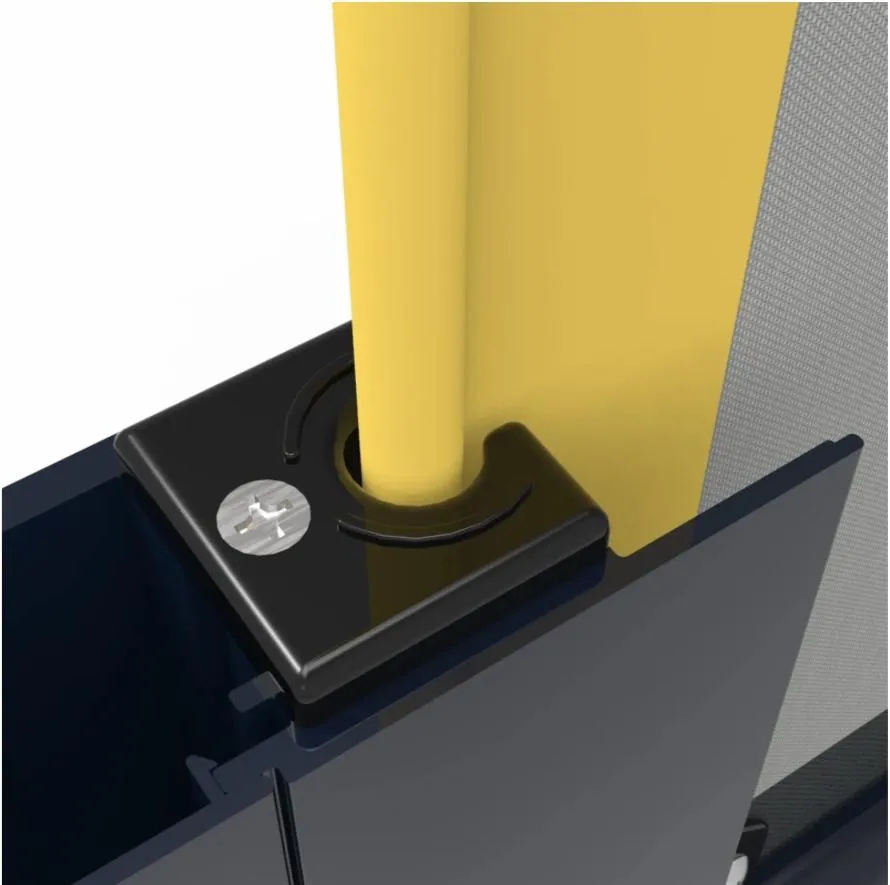
MaxForce is the only retractable screen system on the market designed to stay locked in the track—even in high winds. Smart motor senses resistance and adjusts seamlessly, allowing self-correction when the screen encounters an obstacle: Fewer snags, fewer jams, and fewer costly service calls.
No Zipper. No Cable. Just Simple Deployment
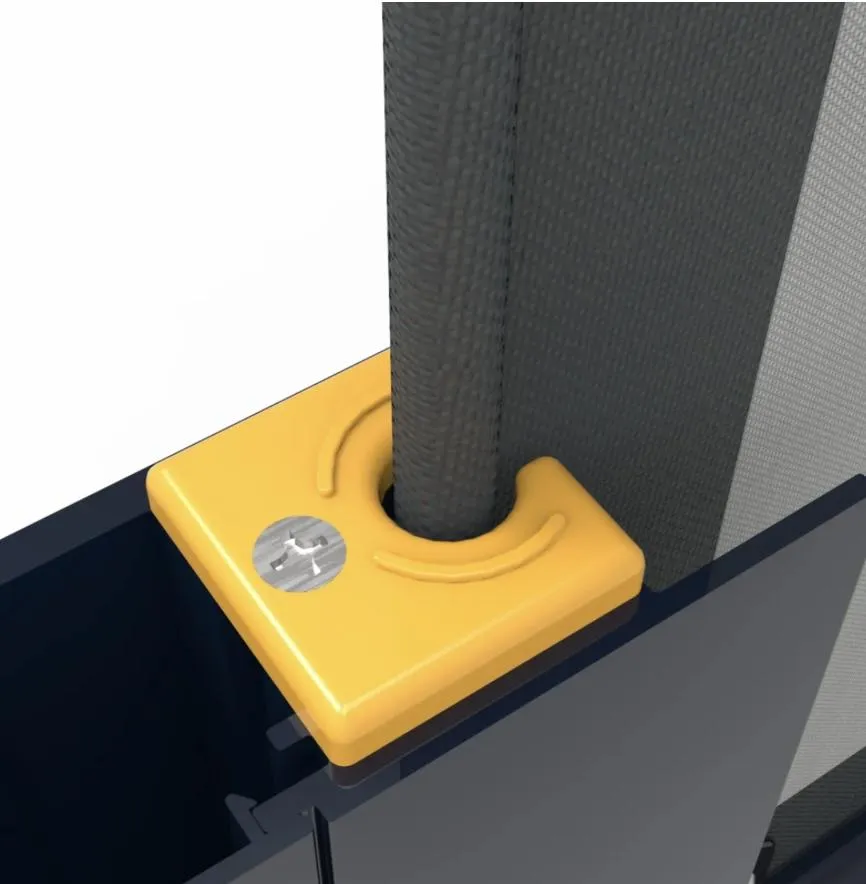
MaxForce pioneered Keder-edge technology in motorized screens, delivering unmatched durability and simplicity. Borrowed from sailboat rigging, this system eliminates zippers, cables, and exposed hardware—ensuring smooth, reliable operation every time.
Heavy Duty
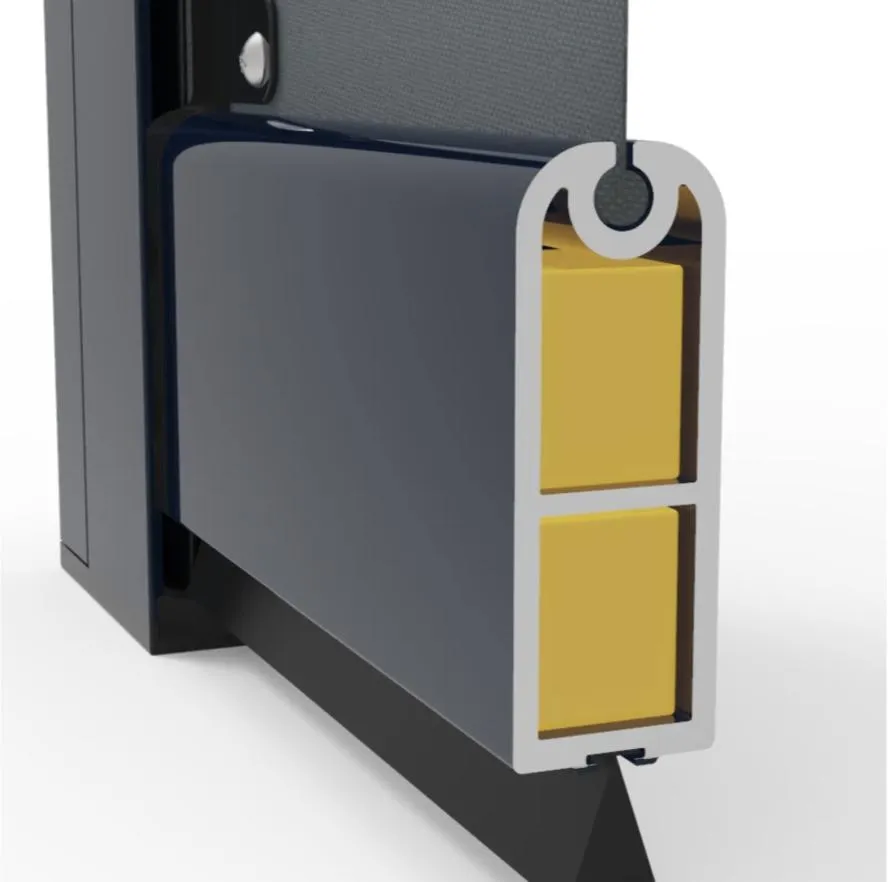
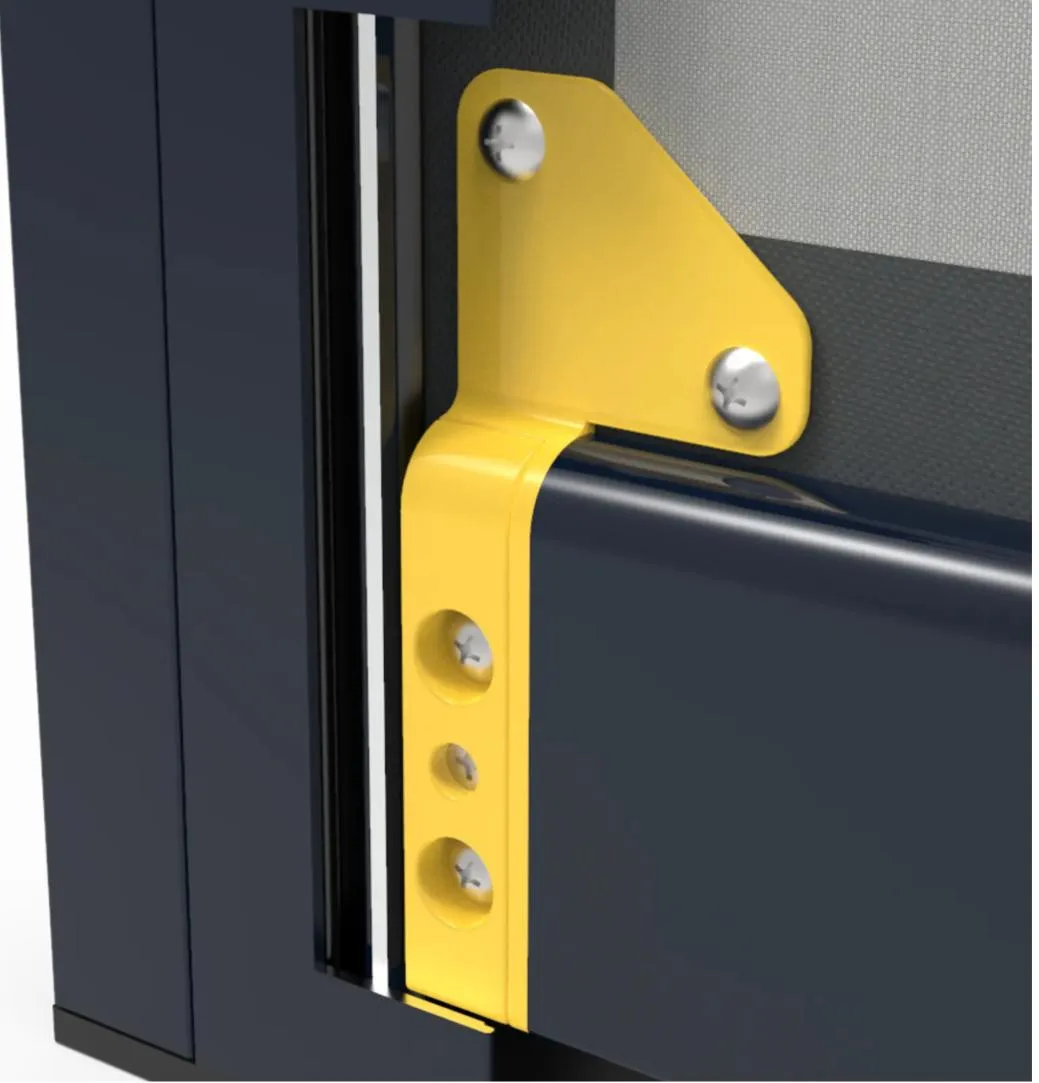
The MaxForce weight bar is engineered for strength—and built to hold its ground. Pound for pound, it’s the heaviest and most robust weight bar in the industry. This ensures proper screen tension, flawless deployment, and maximum stability in high wind zones. —limited flex, no failure.
Reinforced Corners
MaxForce’s heavy-duty weight bar isn’t just strong. It’s smart. Reinforced corners and integrated tie-ins create a unified structure that acts like a solid wall of protection when deployed. Made from high-strength nylon, this bar absorbs impacts while maintaining structural integrity.
Motorized Hurricane Screen
Why Maxforce
MAXFORCE PROVEN PROTECT
Engineered For Excellence
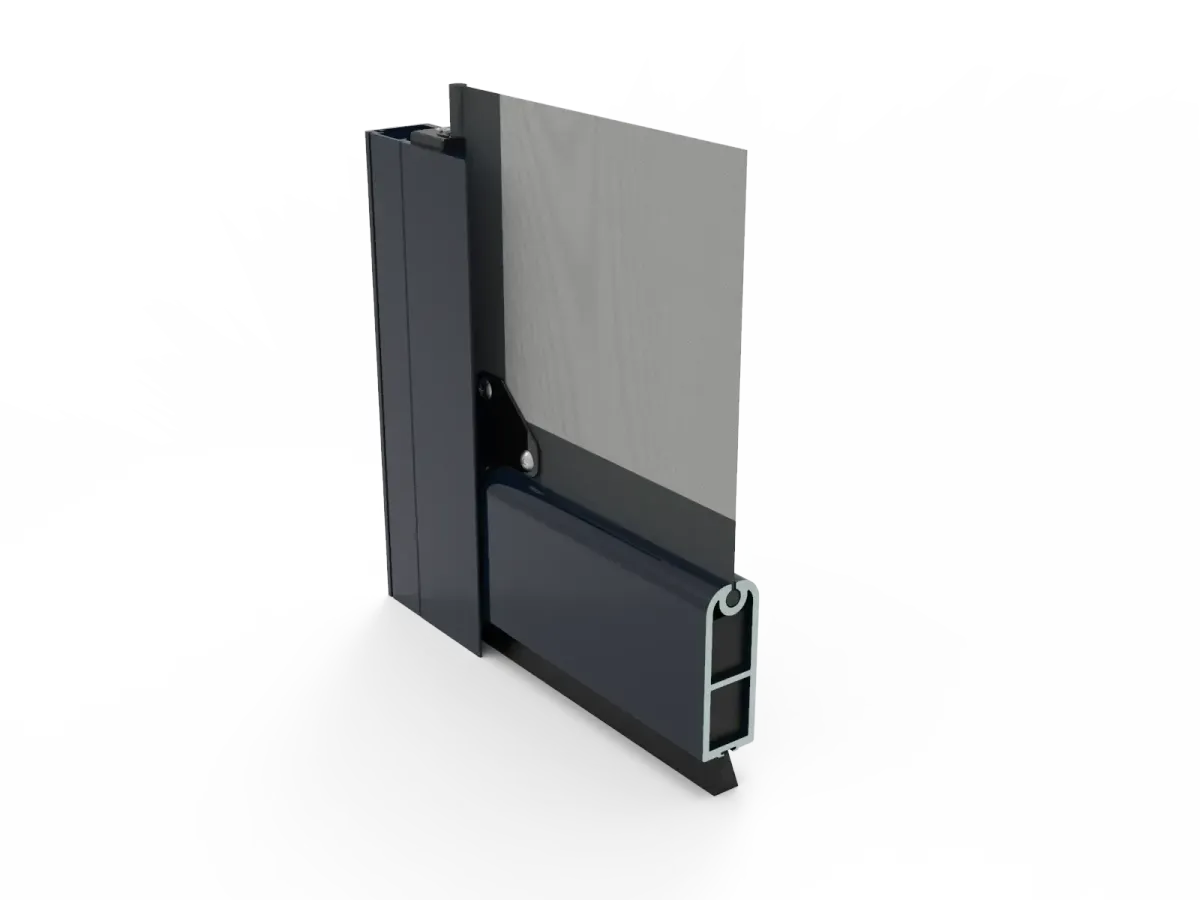
For nearly two decades, MaxForce has manufactured hurricane screens to meet the most demanding building code, the High Velocity Hurricane Zone of Miami-Dade. The MaxForce track is our newest version of the fixed track we have used with great success for high wind applications all over the globe.
The benefits of a fixed track are unmatched strength - this is important when designing a screen system for hurricanes. When you want the strongest system available, and a proven veteran of many hurricanes, the MaxForce Hurricane Track is your best choice.
MAXFORCE THE #1 MOTORIZED
HURRICANE SCREEN
Contact A+ Certified MaxForce Screen
Dealer Today...
MAXFORCE HURRICANE SCREENS
Engineering Features
No blowouts. No rewraps.
No frustration.
MaxForce is the only retractable screen system on the market designed to stay locked in the track—even in high winds. Smart motor senses resistance and adjusts seamlessly, allowing self-correction when the screen encounters an obstacle: Fewer snags, fewer jams, and fewer costly service calls.
No Zipper. No Cable.
Just Simple Deployment
MaxForce pioneered Keder-edge technology in motorized screens, delivering unmatched durability and simplicity. Borrowed from sailboat rigging, this system eliminates zippers, cables, and exposed hardware—ensuring smooth, reliable operation every time.
Heavy Duty
The MaxForce weight bar is engineered for strength—and built to hold its ground. Pound for pound, it’s the heaviest and most robust weight bar in the industry. This ensures proper screen tension, flawless deployment, and maximum stability in high wind zones. —limited flex, no failure.
Reinforced Corners
MaxForce’s heavy-duty weight bar isn’t just strong. It’s smart. Reinforced corners and integrated tie-ins create a unified structure that acts like a solid wall of protection when deployed. Made from high-strength nylon, this bar absorbs impacts while maintaining structural integrity.

HEADACHE-FREE
Exclusive self-tensioning system eliminates 99.9% of screen issues. No track adjustments, broken zippers, or dislodged screens.

LIFETIME WARRANTY
Exterior shade screens reduce cooling bills and MaxForce hurricane screens reduce insurance premiums in hurricane zones.

HURRICANE STRONG
Our MaxForce tracks and advanced hybrid ballistic fabrics withstand 150+ mph winds. Approved by Florida Building Commission for hurricane zones. Lab and real-world tested.

BUILT TO LAST
We use marine-grade materials such as powder-coated aluminum, UV-protected nylons, stainless steel fasteners, and premium fabrics. Resists corrosion, rust, and screen failure.

COST-SAVING
Exterior shade screens reduce cooling bills and MaxForce hurricane screens reduce insurance premiums in hurricane zones.

SMART CONTROLS
Control MaxForce screens via remote and
phone or integrate with popular home automation systems for advanced
capabilities.

SECURE TRACK
MaxForce Fix Hurricane Track holds firm under extreme loads

MAX CORROSION PROTECTION
Powder Coated Aluminum Protects your investment from exposer and corrosion.

HEAVY-DUTY DESIGN
Our screens are designed to withstand the extreme. High wind, Rain, or Shine, Dust Dirt, Dander, it doesn't matter. MaxForce Cover it all.

CUSTOM-MADE SCREENS
Tailor-made screens with vast color, fabric, and system options. Custom paint color and fabric matching are available.
MAXFORCE THE #1 MOTORIZED HURRICANE SCREEN
Contact A+ Certified MaxForce Screen Dealer Today...
HEADACHE-FREE
Exclusive self-tensioning system eliminates 99.9% of screen issues.
No track adjustments, broken zippers,
or dislodged screens.
LIFETIME WARRANTY
Exterior shade screens reduce cooling
bills and MaxForce hurricane screens
reduce insurance premiums in
hurricane zones.
HURRICANE STRONG
Our MaxForce tracks and advanced hybrid ballistic fabrics withstand
150+ mph winds. Approved by Florida Building Commission for hurricane
zones. Lab and real-world tested.
BUILT TO LAST
We use marine-grade materials such
as powder-coated aluminum, UV-protected nylons, stainless steel
fasteners, and premium fabrics. Resists corrosion, rust, and screen failure.
COST-SAVING
Exterior shade screens reduce cooling
bills and MaxForce hurricane screens
reduce insurance premiums in
hurricane zones.
SMART CONTROLS
Control MaxForce screens via remote and
phone or integrate with popular home automation systems for advanced
capabilities.
SECURE TRACK
MaxForce Fix Hurricane Track holds firm under extreme loads
MAX CORROSION PROTECTION
Powder Coated Aluminum Protects your investment from exposer and corrosion.
HEAVY-DUTY DESIGN
Our screens are designed to withstand
the extreme. High wind, Rain, or Shine,
Dust Dirt, Dander, it doesn't matter. MaxForce Cover it all.
CUSTOM-MADE SCREENS
Tailor-made screens with vast color, fabric, and system options. Custom
paint color and fabric matching are available.
MAXFORCE THE #1 MOTORIZED
HURRICANE SCREEN
Contact A+ Certified MaxForce Screen
Dealer Today...
MAXFORCE
Ready For Life's Storms
MAXFORCE HURRICANE SCREEN SYSTEM
A Certified, Tested System...
The MaxForce Hurricane Screen System meets or exceeds Miami-Dade and Florida Building Code requirements—the toughest hurricane codes on earth—for roll-down hurricane screens. Rated for the 185 MPH wind zone, and with real-world and certified testing. With spans of up to 25 feet, they exceed performance criteria for all local and International Building Codes.
MAXFORCE THE #1 MOTORIZED HURRICANE SCREEN
Contact A+ Certified MaxForce Screen Dealer Today...
MAXFORCE
Ready For Life's Storms
MAXFORCE HURRICANE SCREEN SYSTEM
A Certified, Tested System...
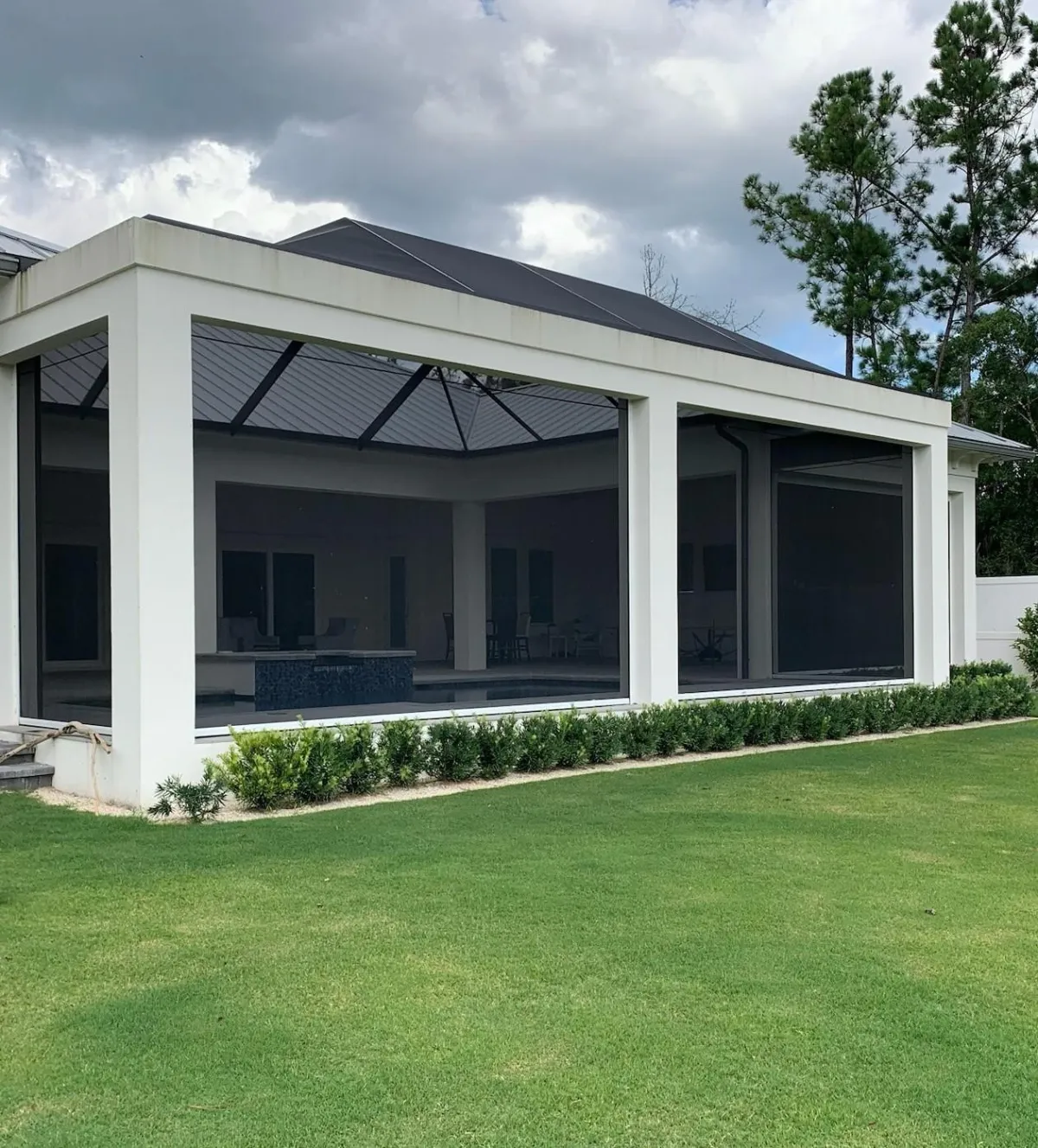
The MaxForce Hurricane Screen System meets or exceeds Miami-Dade and Florida Building Code requirements—the toughest hurricane codes on earth—for roll-down hurricane screens. Rated for the 185 MPH wind zone, and with real-world and certified testing. With spans of up to 25 feet, they exceed performance criteria for all local and International Building Codes.
MAXFORCE THE #1 MOTORIZED
HURRICANE SCREEN
Contact A+ Certified MaxForce Screen
Dealer Today...
THE MAXFORCE DIFFERENCE
Maxforce Hurricane Screen
THE MAXFORCE DIFFERENCE
MaxForce Hurricane Screen
MaxForce Hurricane Screens, powered by our MaxForce system, meet the toughest standards—including HVHZ certification in Miami-Dade and Broward. They last longer, resist more, and do more than any screen on the market—proven protection without compromise.
MaxForce Hurricane Screens —Delivers 365 days of perfect protection, rain or shine, on your patio and lanai. With the push of a button or a tap on the mobile app, your patio is storm-ready— furniture and openings fully protected in seconds.
MaxForce Hurricane Screens fabric blocks up to 95% of the sun’s damaging UV-rays while shielding against wind, rain, insects, dust, and debris. It also helps reduce heat and lower energy costs by limiting solar exposure—comfort and protection in one smart solution.
Like all Maxforce products, our MaxForce Hurricane Screens are highly customizable and built to order—made to fit your exact openings. No guesswork, no compromises—just precision-fit protection tailored to your space.
Pair our retractable MaxForce Hurricane Screens with other Maxforce screens for customized and independent solutions. Each screen operates independently, giving you the protection you want when you need it.
MaxForce Hurricane Screens offer built-in privacy without blocking your view. Like a two-way mirror, you can see out—but neighbors and passersby can not see in. It provides the perfect blend of openness and seclusion, day or night.
MAXFORCE THE #1 MOTORIZED HURRICANE SCREEN
Contact A+ Certified MaxForce Screen Dealer Today...
INTEGRITY MATTERS
How MaxForce Is Made Matters
MaxForce Hurricane Screens, powered by our MaxForce system, meet the toughest standards—including HVHZ certification in Miami-Dade and Broward. They last longer, resist more, and do more than any screen on the market—proven protection without compromise.
.
MaxForce Hurricane Screens —Delivers 365 days of perfect protection, rain or shine, on your patio and lanai. With the push of a button or a tap on the mobile app, your patio is storm-ready— furniture and openings fully protected in seconds.
MaxForce Hurricane Screens fabric blocks up to 95% of the sun’s damaging UV-rays while shielding against wind, rain, insects, dust, and debris. It also helps reduce heat and lower energy costs by limiting solar exposure—comfort and protection in one smart solution.
.
Like all Maxforce products, our MaxForce Hurricane Screens are highly customizable and built to order—made to fit your exact openings. No guesswork, no compromises—just precision-fit protection tailored to your space.
.
Pair our retractable MaxForce Hurricane Screens with other Maxforce screens for customized and independent solutions. Each screen operates independently, giving you the protection you want when you need it.
.
MaxForce Hurricane Screens offer built-in privacy without blocking your view. Like a two-way mirror, you can see out—but neighbors and passersby can not see in. It provides the perfect blend of openness and seclusion, day or night.
.
MAXFORCE THE #1 MOTORIZED
HURRICANE SCREEN
Contact A+ Certified MaxForce Screen
Dealer Today...
INTEGRITY MATTERS
How MaxForce Is
Made Matters
AMERICAN INGENUITY
Made in the USA.

Proudly Made in the USA—every MaxForce screen is built with American strength, precision, and pride. From the smallest components to the final assembly, our materials are sourced and manufactured right here in the United States. No outsourcing. No compromises. Just hardworking Americans protecting American homes with the toughest screen system on the market.
Your 2026 Hurricane Prep Checklist
Your 2026 Hurricane Prep Checklist: Start Now, Stay Calm Later
Why January Is the Smartest Month to Begin Your Storm Season Planning
The January Advantage
There's a particular clarity that arrives in January. The holiday decorations have come down. The new calendar hangs fresh and unmarked. And for homeowners along the Atlantic and Gulf coasts, something else settles in with the new year: the quiet knowledge that hurricane season is exactly five months away.
Five months. It sounds like plenty of time. And it is—if you use it.
The homeowners who navigate hurricane season with the least stress aren't necessarily the ones with the biggest budgets or the most expensive homes. They're the ones who started early. Who made decisions in January instead of June. Who scheduled consultations when contractors were available instead of desperate.
This checklist isn't about fear. It's about control. The kind of control that comes from knowing you've done everything you reasonably can do, months before the first tropical wave rolls off the African coast.
Understanding the Timeline
Before diving into the checklist itself, it helps to understand why January matters so much in the hurricane preparation calendar.
According to NOAA's hurricane preparedness guidance, the best time to prepare is "well before the official start of the season." Their reasoning is practical: "Avoid having to rush through potentially life-saving preparations by waiting until it's too late. Get your disaster supplies while the shelves are still stocked, and get that insurance checkup early."
That last point deserves emphasis. Flood insurance through the National Flood Insurance Program carries a mandatory 30-day waiting period before coverage takes effect. Purchase a policy on June 1—the first day of hurricane season—and you won't be covered until July 1. Purchase one on May 1, and you're still cutting it close if an early-season storm forms.
But purchase flood insurance in January? You're covered by February. You have four full months of protection before the season even begins.
The same logic applies to physical home improvements. Professional hurricane shutter installation typically takes 4-6 weeks from consultation to completion, according to industry sources. Roll-down shutters with motorized systems can require 2-4 days of on-site installation work alone, not counting manufacturing lead times.
Start the process in January, and you're protected by spring. Start in May, and you're competing with every other homeowner who waited—for the same contractors, the same materials, the same installation slots.
The choice isn't really about when you want to be protected. It's about when you want to make decisions: calmly, in January, or frantically, in June.
The Comprehensive January Checklist
Part One: Insurance Review
Week of January 6-12
The beginning of the year is renewal season for many insurance policies. It's the natural time to review your coverage.
☐ Locate your current homeowners insurance policy
Find your declarations page—the summary document that shows your coverage limits, deductibles, and exclusions. If you can't locate a physical copy, contact your agent or log into your carrier's online portal.
☐ Understand what's covered and what isn't
Standard homeowners insurance typically covers wind damage from hurricanes. It does not cover flood damage. This distinction matters enormously. According to FEMA, flooding is the leading cause of hurricane-related property damage—and it's completely excluded from most standard policies.
Hurricane Helene proved this point devastatingly in 2024. Of homes with documented flood damage in western North Carolina, 93 percent lacked flood insurance. The mountains, it turned out, weren't immune to catastrophic flooding.
☐ Review your dwelling coverage limit
Your dwelling limit should reflect the actual cost to rebuild your home at current construction prices—not your purchase price, not your market value, but replacement cost. Construction costs have risen significantly in recent years. A policy that seemed adequate three years ago may leave you underinsured today.
☐ Check your hurricane/windstorm deductible
In hurricane-prone states, wind damage claims typically carry separate deductibles calculated as a percentage of your dwelling coverage. A 2 percent deductible on a home insured for $400,000 means you're responsible for the first $8,000 of any hurricane claim. A 5 percent deductible on the same home means $20,000.
Understand your number before you need to use it.
☐ Purchase or review flood insurance
If you don't have flood insurance, January is the time to buy it. The 30-day waiting period for NFIP policies means a policy purchased on January 15 is effective February 14—more than three months before hurricane season begins.
If you already have flood insurance, review your coverage limits. Building coverage maxes at $250,000 for residential properties under the NFIP; contents coverage maxes at $100,000. If your home's value exceeds those limits, consider excess flood coverage from a private carrier.
☐ Document your possessions
Take photos or video of every room, including closets, storage areas, and your garage. Open drawers. Document serial numbers on electronics. Store this documentation somewhere accessible outside your home—cloud storage, a safe deposit box, or with an out-of-town family member.
This documentation proves invaluable when filing insurance claims. As NOAA notes: "Take the time before hurricane season begins to document your possessions: photos, serial numbers, or anything else that you may need to provide your insurance company when filing a claim."
Part Two: Home Fortification Assessment
Week of January 13-19
Once you understand your insurance position, turn your attention to the physical structure itself.
☐ Assess your roof
The roof is your home's first line of defense against hurricanes. According to IBHS research, "When rain, wind and storm pressure enter a home, damage that starts out as relatively minor escalates quickly."
How old is your roof? What condition are the shingles or tiles? Are there any signs of wear, lifting, or previous repairs?
If your roof is nearing the end of its useful life, consider re-roofing to the FORTIFIED standard—a voluntary construction method developed by IBHS that strengthens homes against severe weather. Homes built to FORTIFIED standards have proven 70 percent less likely to file insurance claims after hurricanes compared to conventionally built homes.
☐ Inspect your garage door
IBHS field investigations have found that 90 percent of homes whose garage doors survived storms had no structural damage to their roofs. The garage door is often the largest opening in a home—and the most vulnerable.
Check that your garage door carries a wind rating of at least 130 mph. If it doesn't, replacement or reinforcement should be a priority. When a garage door fails, pressure builds inside, pushing up on the roof and out against walls. What begins as a door failure often ends as total structural failure.
☐ Evaluate your windows and doors
Every opening in your home's envelope represents a potential failure point. Impact-rated windows, doors, and screens prevent wind and debris from breaching your structure.
If you don't currently have opening protection, January is the time to schedule consultations. Manufacturing and installation timelines for hurricane screens, accordion shutters, and roll-down systems typically run 4-8 weeks from order to completion.
☐ Schedule a wind mitigation inspection
In Florida and several other states, a formal wind mitigation inspection documents features of your home that reduce hurricane damage risk. These features can qualify you for insurance discounts—sometimes substantial ones.
A licensed inspector will evaluate your roof shape, roof-to-wall connections, roof deck attachment, secondary water barrier, and opening protection. The resulting form goes to your insurance company, which applies applicable credits to your premium.
Even if your state doesn't mandate wind mitigation discounts, the inspection provides valuable information about your home's vulnerabilities.
☐ Trim trees and evaluate landscaping
Overgrown trees become flying debris in hurricane-force winds. Branches overhanging your roof, dead trees, and palms with excessive frond buildup all represent risks.
January and February are ideal months for tree trimming in most of the Southeast. Arborist schedules are typically lighter than in spring and summer, and trees are dormant (or as dormant as they get in subtropical climates), making the work safer and easier.
Part Three: Storm Protection Installation Planning
Week of January 20-26
If your home lacks permanent storm protection, January is the month to begin the procurement process.
☐ Understand your protection options
Hurricane protection comes in several forms:
Impact Windows and Doors — Permanent, always-deployed protection. No action required when a storm approaches. Premium pricing but eliminates the scramble.
Motorized Hurricane Screens — Permanent installation, rapid deployment. Push a button (or use your phone) to deploy protection in minutes. Maintains views and aesthetics when not in use.
Accordion Shutters — Permanently mounted on either side of openings. Manual deployment by pulling panels across tracks. Durable and cost-effective.
Roll-Down Shutters — Permanently mounted above openings. Deploy via manual crank or motorized system. Clean appearance when stored.
Storm Panels — Removable aluminum or polycarbonate panels stored when not in use. Most affordable option but requires significant labor to install before each storm.
Each option involves trade-offs between cost, convenience, aesthetics, and level of protection. The right choice depends on your budget, your physical capabilities, your home's architecture, and your tolerance for pre-storm preparation work.
☐ Research certification standards
Not all hurricane protection is created equal. Look for products tested and approved to recognized standards:
Miami-Dade County Notice of Acceptance (NOA) — The most stringent testing protocol in the United States
Florida Building Code (FBC) approval — Required for installation in Florida
ASTM International standards — Independent third-party testing for impact and pressure resistance
Products carrying these certifications have been proven to perform under documented wind speeds and debris impacts. Products lacking certification may or may not provide the protection they claim.
☐ Request consultations from multiple providers
Quality hurricane protection providers will conduct on-site assessments before providing quotes. They'll measure your openings, evaluate your home's construction, discuss your priorities, and recommend appropriate solutions.
Request consultations from at least two or three providers. Compare not just pricing but also product quality, warranty terms, installation timelines, and company reputation.
☐ Check contractor licensing and insurance
In Florida, hurricane shutter installation requires a contractor's license. Verify that any provider you're considering holds appropriate licensing in your jurisdiction. Request proof of liability insurance and workers' compensation coverage.
Unlicensed installation may void product warranties and could create liability exposure if something goes wrong.
☐ Establish your installation timeline
Work backward from June 1. If installation typically requires 4-6 weeks from order to completion, and you want to be protected by May 15, you need to place your order no later than early April. That means completing your consultations, comparing quotes, and making your decision by late March.
January consultations put you well ahead of this timeline—giving you flexibility if manufacturing delays occur or if you need to adjust your plans.
Part Four: Emergency Supplies and Planning
Week of January 27 - February 2
With insurance reviewed and home fortification underway, turn your attention to emergency preparedness.
☐ Assess your current emergency supplies
If you built an emergency kit in a previous year, check its contents. Expired medications, dead batteries, and spoiled food won't help you when you need them.
According to FEMA's guidance, a basic emergency kit should include:
Water (one gallon per person per day for several days)
Non-perishable food (several days' supply)
Battery-powered or hand-crank radio
Flashlight with extra batteries
First aid kit
Extra batteries
Whistle (to signal for help)
Dust masks, plastic sheeting, and duct tape (for sheltering in place)
Moist towelettes, garbage bags, and plastic ties (for personal sanitation)
Wrench or pliers (to turn off utilities)
Manual can opener
Local maps
Cell phone with chargers and backup battery
☐ Add family-specific items
Your household's specific needs may require additional supplies:
Prescription medications (with documentation)
Infant formula and diapers
Pet food and supplies
Medical equipment and batteries
Important documents (insurance policies, identification, bank records)
Cash (ATMs and card readers may be unavailable)
Comfort items for children
☐ Develop or review your evacuation plan
Do you know your evacuation zone? Do you know your evacuation routes? Do you know where you would go if ordered to leave?
As FEMA notes: "You may have to evacuate quickly due to a hurricane. Learn your evacuation routes, practice with your household and pets, and identify where you will stay."
Your destination doesn't need to be hundreds of miles away. A friend or relative's well-built home outside flood-prone areas may be sufficient. But you need to know where that is, how to get there, and that you're welcome when the time comes.
☐ Create a family communication plan
During and after a hurricane, cell service may be unreliable. Identify an out-of-area contact who can serve as a central point for family members to check in. Make sure everyone in your household knows this person's contact information.
Write down important phone numbers. Internet access and smartphone contact lists may be unavailable when you need them most.
☐ Prepare your vehicle
Keep your car's gas tank at least half full during hurricane season. If you drive an electric vehicle, maintain sufficient charge to reach your evacuation destination.
Store a smaller emergency kit in your vehicle: water, non-perishable snacks, a first aid kit, phone charger, flashlight, and basic tools.
☐ Know your generator safety
If you own a portable generator, review safe operation procedures. Generators must be operated outdoors, away from windows and doors, to prevent carbon monoxide poisoning. Never fuel a running generator. Never connect a generator directly to household wiring.
If you don't own a generator and are considering purchasing one, January is an excellent time to buy. Prices are typically lower than during peak season, and stock is more available.
Part Five: Financial Preparation
Ongoing
Hurricanes carry financial consequences that extend well beyond property damage.
☐ Build emergency savings
FEMA's preparedness guidance emphasizes financial readiness: "Anticipate initial out-of-pocket expenses for lodging, food, gas, and more after a disaster."
Even with good insurance, you'll face deductibles, temporary living expenses, and other costs before reimbursement arrives. A dedicated emergency fund—even a modest one—provides crucial flexibility.
☐ Understand your insurance deductibles
Know your hurricane deductible amount in actual dollars. If you can't comfortably pay that amount out of pocket, consider adjusting your coverage or building targeted savings.
☐ Maintain accessible cash reserves
ATMs may be unavailable for days after a major storm. Credit card terminals require electricity. Having cash on hand—in small bills—ensures you can purchase essential supplies when electronic payment isn't an option.
☐ Review your banking access
Can you access your accounts online and via mobile app? Do you know your login credentials? After a storm, physical bank branches may be closed, but online banking typically remains available.
The Payoff: What Preparation Provides
The homeowner who completes this checklist by the end of January enters hurricane season with something invaluable: peace.
Not the false peace of denial, of hoping storms won't come. But the genuine peace of preparation—of knowing that regardless of what the Atlantic produces, they've done what they can do.
Their insurance is reviewed and adequate. Their home is fortified or on track to be fortified before the season begins. Their supplies are stocked. Their plans are made. Their family knows what to do.
When the first named storm forms—and it will—they won't scramble. They'll watch the forecasts, monitor the track, and make clear-headed decisions about whether to evacuate or shelter in place. They won't be racing to hardware stores for plywood. They won't be pleading with contractors for emergency installations. They won't be discovering at the worst possible moment that their flood insurance hasn't taken effect yet.
That's the January advantage. Not just being ready, but being ready early—with time to spare, options intact, and stress minimized.
The storms will come. They always do. But you can choose whether you meet them prepared or panicked.
January is for choosing.
MaxForce Hurricane Screens are engineered and tested for Category 5 conditions, providing verified opening protection that meets the highest certification standards. Our motorized screen systems deploy in seconds, protecting your home without the scramble of last-minute installation.
Schedule your January consultation to ensure spring installation—months before the first storm threatens.
No Blowouts. No Rewraps. No Compromise.

Company
MaxForce Hurricane Screens
Design Ideals
Resources


© 2025 Maxforce - Powered by Fenetex and Friends of Oatis
AMERICAN INGENUITY
Made in the USA
Proudly Made in the USA—every MaxForce screen is built with American strength, precision, and pride. From the smallest components to the final assembly, our materials are sourced and manufactured right here in the United States. No outsourcing. No compromises. Just hardworking Americans protecting American homes with the toughest screen system on the market.
Your 2026 Hurricane Prep Checklist
Your 2026 Hurricane Prep Checklist: Start Now, Stay Calm Later
Why January Is the Smartest Month to Begin Your Storm Season Planning
The January Advantage
There's a particular clarity that arrives in January. The holiday decorations have come down. The new calendar hangs fresh and unmarked. And for homeowners along the Atlantic and Gulf coasts, something else settles in with the new year: the quiet knowledge that hurricane season is exactly five months away.
Five months. It sounds like plenty of time. And it is—if you use it.
The homeowners who navigate hurricane season with the least stress aren't necessarily the ones with the biggest budgets or the most expensive homes. They're the ones who started early. Who made decisions in January instead of June. Who scheduled consultations when contractors were available instead of desperate.
This checklist isn't about fear. It's about control. The kind of control that comes from knowing you've done everything you reasonably can do, months before the first tropical wave rolls off the African coast.
Understanding the Timeline
Before diving into the checklist itself, it helps to understand why January matters so much in the hurricane preparation calendar.
According to NOAA's hurricane preparedness guidance, the best time to prepare is "well before the official start of the season." Their reasoning is practical: "Avoid having to rush through potentially life-saving preparations by waiting until it's too late. Get your disaster supplies while the shelves are still stocked, and get that insurance checkup early."
That last point deserves emphasis. Flood insurance through the National Flood Insurance Program carries a mandatory 30-day waiting period before coverage takes effect. Purchase a policy on June 1—the first day of hurricane season—and you won't be covered until July 1. Purchase one on May 1, and you're still cutting it close if an early-season storm forms.
But purchase flood insurance in January? You're covered by February. You have four full months of protection before the season even begins.
The same logic applies to physical home improvements. Professional hurricane shutter installation typically takes 4-6 weeks from consultation to completion, according to industry sources. Roll-down shutters with motorized systems can require 2-4 days of on-site installation work alone, not counting manufacturing lead times.
Start the process in January, and you're protected by spring. Start in May, and you're competing with every other homeowner who waited—for the same contractors, the same materials, the same installation slots.
The choice isn't really about when you want to be protected. It's about when you want to make decisions: calmly, in January, or frantically, in June.
The Comprehensive January Checklist
Part One: Insurance Review
Week of January 6-12
The beginning of the year is renewal season for many insurance policies. It's the natural time to review your coverage.
☐ Locate your current homeowners insurance policy
Find your declarations page—the summary document that shows your coverage limits, deductibles, and exclusions. If you can't locate a physical copy, contact your agent or log into your carrier's online portal.
☐ Understand what's covered and what isn't
Standard homeowners insurance typically covers wind damage from hurricanes. It does not cover flood damage. This distinction matters enormously. According to FEMA, flooding is the leading cause of hurricane-related property damage—and it's completely excluded from most standard policies.
Hurricane Helene proved this point devastatingly in 2024. Of homes with documented flood damage in western North Carolina, 93 percent lacked flood insurance. The mountains, it turned out, weren't immune to catastrophic flooding.
☐ Review your dwelling coverage limit
Your dwelling limit should reflect the actual cost to rebuild your home at current construction prices—not your purchase price, not your market value, but replacement cost. Construction costs have risen significantly in recent years. A policy that seemed adequate three years ago may leave you underinsured today.
☐ Check your hurricane/windstorm deductible
In hurricane-prone states, wind damage claims typically carry separate deductibles calculated as a percentage of your dwelling coverage. A 2 percent deductible on a home insured for $400,000 means you're responsible for the first $8,000 of any hurricane claim. A 5 percent deductible on the same home means $20,000.
Understand your number before you need to use it.
☐ Purchase or review flood insurance
If you don't have flood insurance, January is the time to buy it. The 30-day waiting period for NFIP policies means a policy purchased on January 15 is effective February 14—more than three months before hurricane season begins.
If you already have flood insurance, review your coverage limits. Building coverage maxes at $250,000 for residential properties under the NFIP; contents coverage maxes at $100,000. If your home's value exceeds those limits, consider excess flood coverage from a private carrier.
☐ Document your possessions
Take photos or video of every room, including closets, storage areas, and your garage. Open drawers. Document serial numbers on electronics. Store this documentation somewhere accessible outside your home—cloud storage, a safe deposit box, or with an out-of-town family member.
This documentation proves invaluable when filing insurance claims. As NOAA notes: "Take the time before hurricane season begins to document your possessions: photos, serial numbers, or anything else that you may need to provide your insurance company when filing a claim."
Part Two: Home Fortification Assessment
Week of January 13-19
Once you understand your insurance position, turn your attention to the physical structure itself.
☐ Assess your roof
The roof is your home's first line of defense against hurricanes. According to IBHS research, "When rain, wind and storm pressure enter a home, damage that starts out as relatively minor escalates quickly."
How old is your roof? What condition are the shingles or tiles? Are there any signs of wear, lifting, or previous repairs?
If your roof is nearing the end of its useful life, consider re-roofing to the FORTIFIED standard—a voluntary construction method developed by IBHS that strengthens homes against severe weather. Homes built to FORTIFIED standards have proven 70 percent less likely to file insurance claims after hurricanes compared to conventionally built homes.
☐ Inspect your garage door
IBHS field investigations have found that 90 percent of homes whose garage doors survived storms had no structural damage to their roofs. The garage door is often the largest opening in a home—and the most vulnerable.
Check that your garage door carries a wind rating of at least 130 mph. If it doesn't, replacement or reinforcement should be a priority. When a garage door fails, pressure builds inside, pushing up on the roof and out against walls. What begins as a door failure often ends as total structural failure.
☐ Evaluate your windows and doors
Every opening in your home's envelope represents a potential failure point. Impact-rated windows, doors, and screens prevent wind and debris from breaching your structure.
If you don't currently have opening protection, January is the time to schedule consultations. Manufacturing and installation timelines for hurricane screens, accordion shutters, and roll-down systems typically run 4-8 weeks from order to completion.
☐ Schedule a wind mitigation inspection
In Florida and several other states, a formal wind mitigation inspection documents features of your home that reduce hurricane damage risk. These features can qualify you for insurance discounts—sometimes substantial ones.
A licensed inspector will evaluate your roof shape, roof-to-wall connections, roof deck attachment, secondary water barrier, and opening protection. The resulting form goes to your insurance company, which applies applicable credits to your premium.
Even if your state doesn't mandate wind mitigation discounts, the inspection provides valuable information about your home's vulnerabilities.
☐ Trim trees and evaluate landscaping
Overgrown trees become flying debris in hurricane-force winds. Branches overhanging your roof, dead trees, and palms with excessive frond buildup all represent risks.
January and February are ideal months for tree trimming in most of the Southeast. Arborist schedules are typically lighter than in spring and summer, and trees are dormant (or as dormant as they get in subtropical climates), making the work safer and easier.
Part Three: Storm Protection Installation Planning
Week of January 20-26
If your home lacks permanent storm protection, January is the month to begin the procurement process.
☐ Understand your protection options
Hurricane protection comes in several forms:
Impact Windows and Doors — Permanent, always-deployed protection. No action required when a storm approaches. Premium pricing but eliminates the scramble.
Motorized Hurricane Screens — Permanent installation, rapid deployment. Push a button (or use your phone) to deploy protection in minutes. Maintains views and aesthetics when not in use.
Accordion Shutters — Permanently mounted on either side of openings. Manual deployment by pulling panels across tracks. Durable and cost-effective.
Roll-Down Shutters — Permanently mounted above openings. Deploy via manual crank or motorized system. Clean appearance when stored.
Storm Panels — Removable aluminum or polycarbonate panels stored when not in use. Most affordable option but requires significant labor to install before each storm.
Each option involves trade-offs between cost, convenience, aesthetics, and level of protection. The right choice depends on your budget, your physical capabilities, your home's architecture, and your tolerance for pre-storm preparation work.
☐ Research certification standards
Not all hurricane protection is created equal. Look for products tested and approved to recognized standards:
Miami-Dade County Notice of Acceptance (NOA) — The most stringent testing protocol in the United States
Florida Building Code (FBC) approval — Required for installation in Florida
ASTM International standards — Independent third-party testing for impact and pressure resistance
Products carrying these certifications have been proven to perform under documented wind speeds and debris impacts. Products lacking certification may or may not provide the protection they claim.
☐ Request consultations from multiple providers
Quality hurricane protection providers will conduct on-site assessments before providing quotes. They'll measure your openings, evaluate your home's construction, discuss your priorities, and recommend appropriate solutions.
Request consultations from at least two or three providers. Compare not just pricing but also product quality, warranty terms, installation timelines, and company reputation.
☐ Check contractor licensing and insurance
In Florida, hurricane shutter installation requires a contractor's license. Verify that any provider you're considering holds appropriate licensing in your jurisdiction. Request proof of liability insurance and workers' compensation coverage.
Unlicensed installation may void product warranties and could create liability exposure if something goes wrong.
☐ Establish your installation timeline
Work backward from June 1. If installation typically requires 4-6 weeks from order to completion, and you want to be protected by May 15, you need to place your order no later than early April. That means completing your consultations, comparing quotes, and making your decision by late March.
January consultations put you well ahead of this timeline—giving you flexibility if manufacturing delays occur or if you need to adjust your plans.
Part Four: Emergency Supplies and Planning
Week of January 27 - February 2
With insurance reviewed and home fortification underway, turn your attention to emergency preparedness.
☐ Assess your current emergency supplies
If you built an emergency kit in a previous year, check its contents. Expired medications, dead batteries, and spoiled food won't help you when you need them.
According to FEMA's guidance, a basic emergency kit should include:
Water (one gallon per person per day for several days)
Non-perishable food (several days' supply)
Battery-powered or hand-crank radio
Flashlight with extra batteries
First aid kit
Extra batteries
Whistle (to signal for help)
Dust masks, plastic sheeting, and duct tape (for sheltering in place)
Moist towelettes, garbage bags, and plastic ties (for personal sanitation)
Wrench or pliers (to turn off utilities)
Manual can opener
Local maps
Cell phone with chargers and backup battery
☐ Add family-specific items
Your household's specific needs may require additional supplies:
Prescription medications (with documentation)
Infant formula and diapers
Pet food and supplies
Medical equipment and batteries
Important documents (insurance policies, identification, bank records)
Cash (ATMs and card readers may be unavailable)
Comfort items for children
☐ Develop or review your evacuation plan
Do you know your evacuation zone? Do you know your evacuation routes? Do you know where you would go if ordered to leave?
As FEMA notes: "You may have to evacuate quickly due to a hurricane. Learn your evacuation routes, practice with your household and pets, and identify where you will stay."
Your destination doesn't need to be hundreds of miles away. A friend or relative's well-built home outside flood-prone areas may be sufficient. But you need to know where that is, how to get there, and that you're welcome when the time comes.
☐ Create a family communication plan
During and after a hurricane, cell service may be unreliable. Identify an out-of-area contact who can serve as a central point for family members to check in. Make sure everyone in your household knows this person's contact information.
Write down important phone numbers. Internet access and smartphone contact lists may be unavailable when you need them most.
☐ Prepare your vehicle
Keep your car's gas tank at least half full during hurricane season. If you drive an electric vehicle, maintain sufficient charge to reach your evacuation destination.
Store a smaller emergency kit in your vehicle: water, non-perishable snacks, a first aid kit, phone charger, flashlight, and basic tools.
☐ Know your generator safety
If you own a portable generator, review safe operation procedures. Generators must be operated outdoors, away from windows and doors, to prevent carbon monoxide poisoning. Never fuel a running generator. Never connect a generator directly to household wiring.
If you don't own a generator and are considering purchasing one, January is an excellent time to buy. Prices are typically lower than during peak season, and stock is more available.
Part Five: Financial Preparation
Ongoing
Hurricanes carry financial consequences that extend well beyond property damage.
☐ Build emergency savings
FEMA's preparedness guidance emphasizes financial readiness: "Anticipate initial out-of-pocket expenses for lodging, food, gas, and more after a disaster."
Even with good insurance, you'll face deductibles, temporary living expenses, and other costs before reimbursement arrives. A dedicated emergency fund—even a modest one—provides crucial flexibility.
☐ Understand your insurance deductibles
Know your hurricane deductible amount in actual dollars. If you can't comfortably pay that amount out of pocket, consider adjusting your coverage or building targeted savings.
☐ Maintain accessible cash reserves
ATMs may be unavailable for days after a major storm. Credit card terminals require electricity. Having cash on hand—in small bills—ensures you can purchase essential supplies when electronic payment isn't an option.
☐ Review your banking access
Can you access your accounts online and via mobile app? Do you know your login credentials? After a storm, physical bank branches may be closed, but online banking typically remains available.
The Payoff: What Preparation Provides
The homeowner who completes this checklist by the end of January enters hurricane season with something invaluable: peace.
Not the false peace of denial, of hoping storms won't come. But the genuine peace of preparation—of knowing that regardless of what the Atlantic produces, they've done what they can do.
Their insurance is reviewed and adequate. Their home is fortified or on track to be fortified before the season begins. Their supplies are stocked. Their plans are made. Their family knows what to do.
When the first named storm forms—and it will—they won't scramble. They'll watch the forecasts, monitor the track, and make clear-headed decisions about whether to evacuate or shelter in place. They won't be racing to hardware stores for plywood. They won't be pleading with contractors for emergency installations. They won't be discovering at the worst possible moment that their flood insurance hasn't taken effect yet.
That's the January advantage. Not just being ready, but being ready early—with time to spare, options intact, and stress minimized.
The storms will come. They always do. But you can choose whether you meet them prepared or panicked.
January is for choosing.
MaxForce Hurricane Screens are engineered and tested for Category 5 conditions, providing verified opening protection that meets the highest certification standards. Our motorized screen systems deploy in seconds, protecting your home without the scramble of last-minute installation.
Schedule your January consultation to ensure spring installation—months before the first storm threatens.
No Blowouts. No Rewraps. No Compromise.