Motorized Hurricane Screen
Why Maxforce

MAXFORCE PROVEN PROTECT
Engineered For Excellence
For nearly two decades, MaxForce has manufactured hurricane screens to meet the most demanding building code, the High Velocity Hurricane Zone of Miami-Dade. The MaxForce track is our newest version of the fixed track we have used with great success for high wind applications all over the globe.
The benefits of a fixed track are unmatched strength - this is important when designing a screen system for hurricanes. When you want the strongest system available, and a proven veteran of many hurricanes, the MaxForce Hurricane Track is your best choice.
MAXFORCE THE #1 MOTORIZED HURRICANE SCREEN
Contact A+ Certified MaxForce Screen Dealer Today...
MAXFORCE HURRICANE SCREENS
Engineering Features
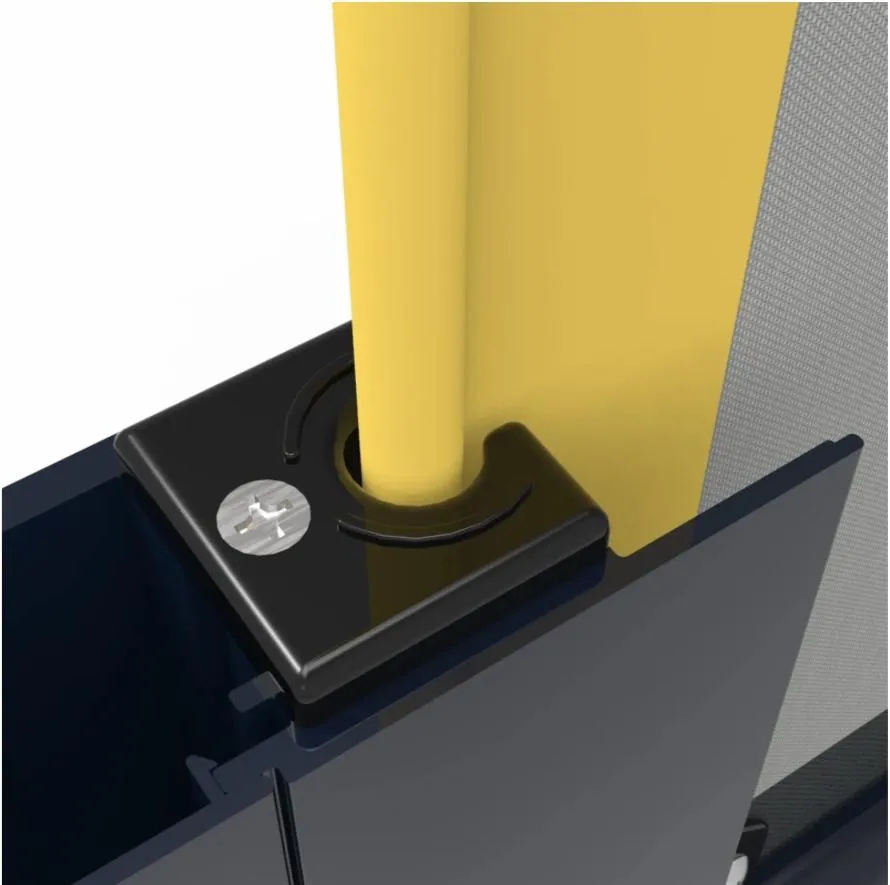
No blowouts. No rewraps. No frustration.
MaxForce is the only retractable screen system on the market designed to stay locked in the track—even in high winds. Smart motor senses resistance and adjusts seamlessly, allowing self-correction when the screen encounters an obstacle: Fewer snags, fewer jams, and fewer costly service calls.
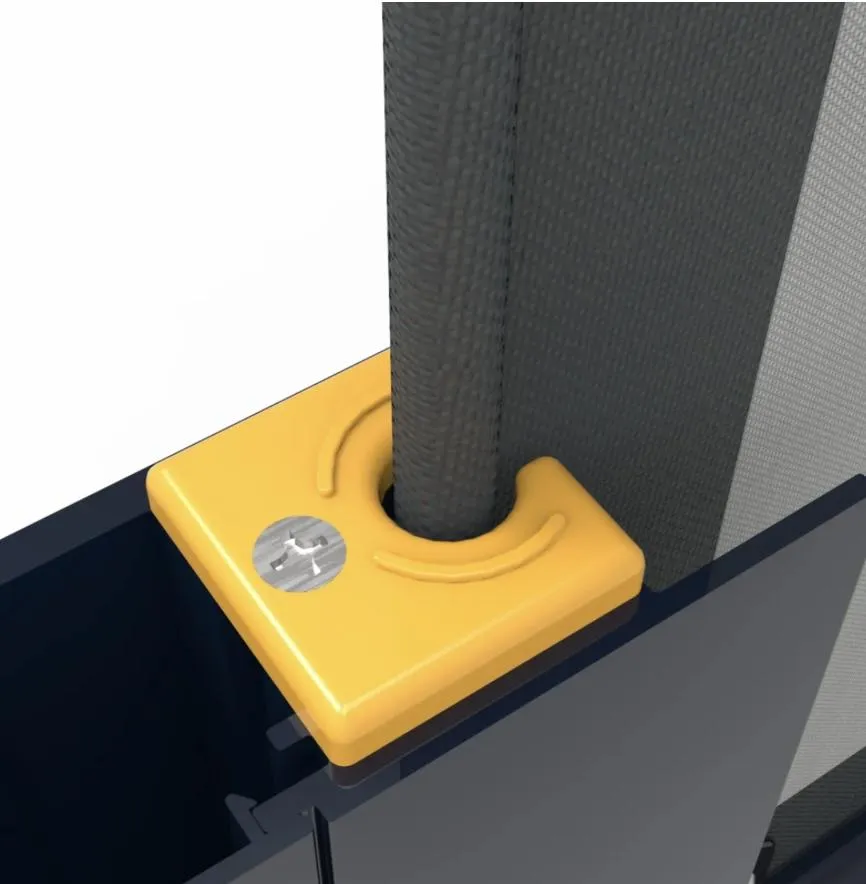
No Zipper. No Cable. Just Simple Deployment
MaxForce pioneered Keder-edge technology in motorized screens, delivering unmatched durability and simplicity. Borrowed from sailboat rigging, this system eliminates zippers, cables, and exposed hardware—ensuring smooth, reliable operation every time.
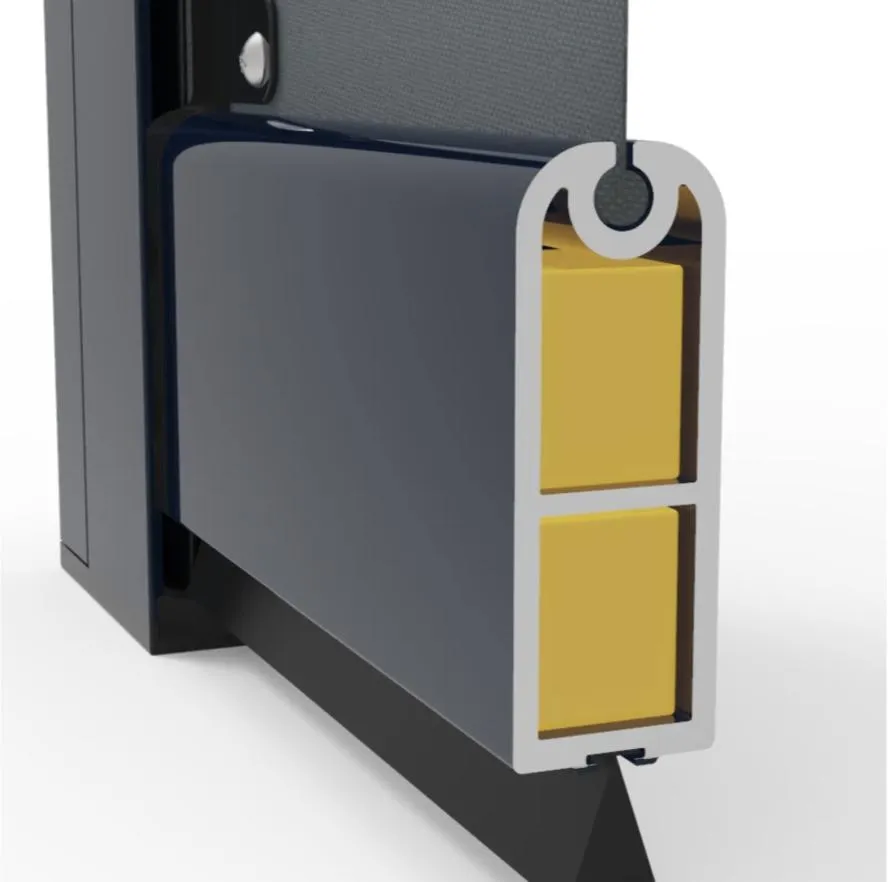
Heavy Duty
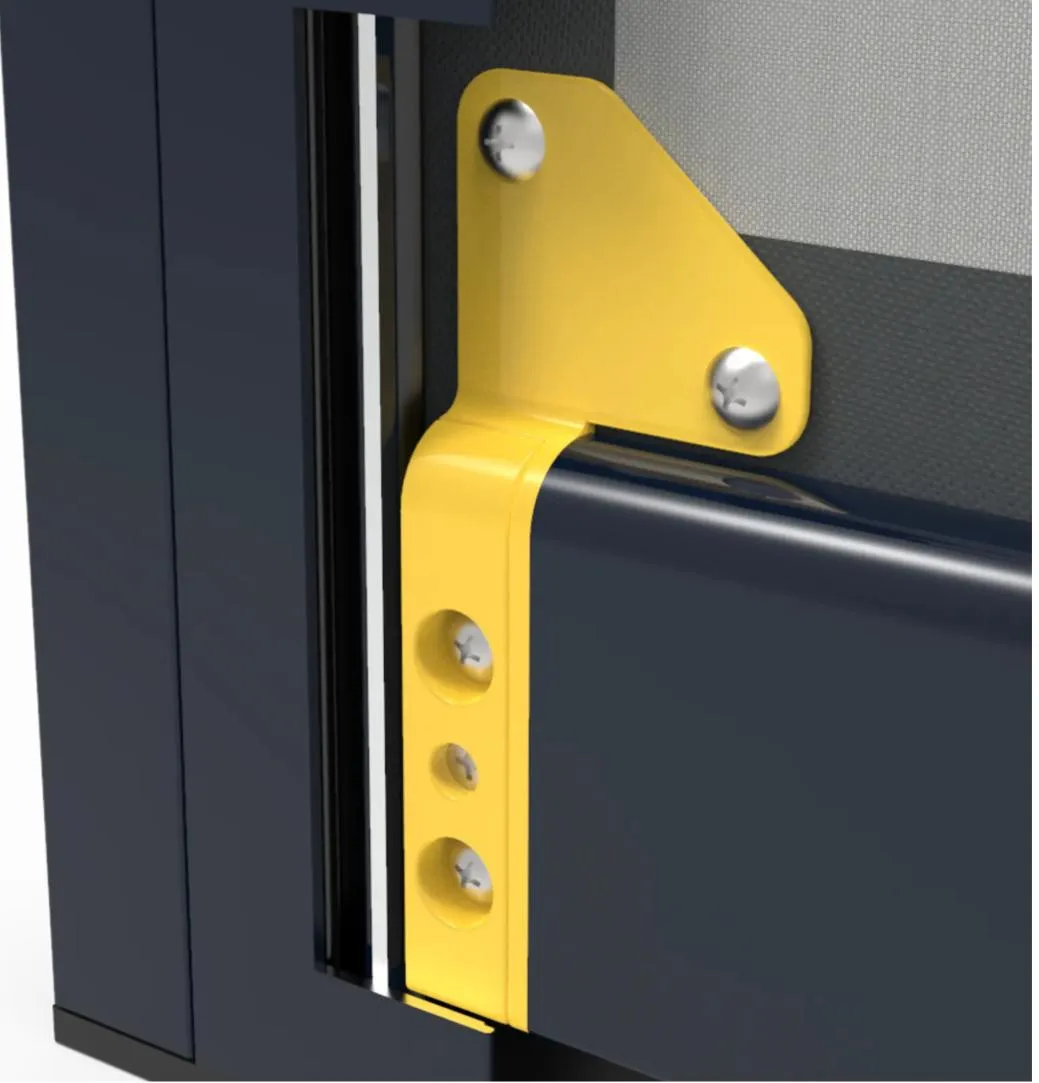
The MaxForce weight bar is engineered for strength—and built to hold its ground. Pound for pound, it’s the heaviest and most robust weight bar in the industry. This ensures proper screen tension, flawless deployment, and maximum stability in high wind zones. —limited flex, no failure.
Reinforced Corners
MaxForce’s heavy-duty weight bar isn’t just strong. It’s smart. Reinforced corners and integrated tie-ins create a unified structure that acts like a solid wall of protection when deployed. Made from high-strength nylon, this bar absorbs impacts while maintaining structural integrity.
Motorized Hurricane Screen
Why Maxforce
MAXFORCE PROVEN PROTECT
Engineered For Excellence
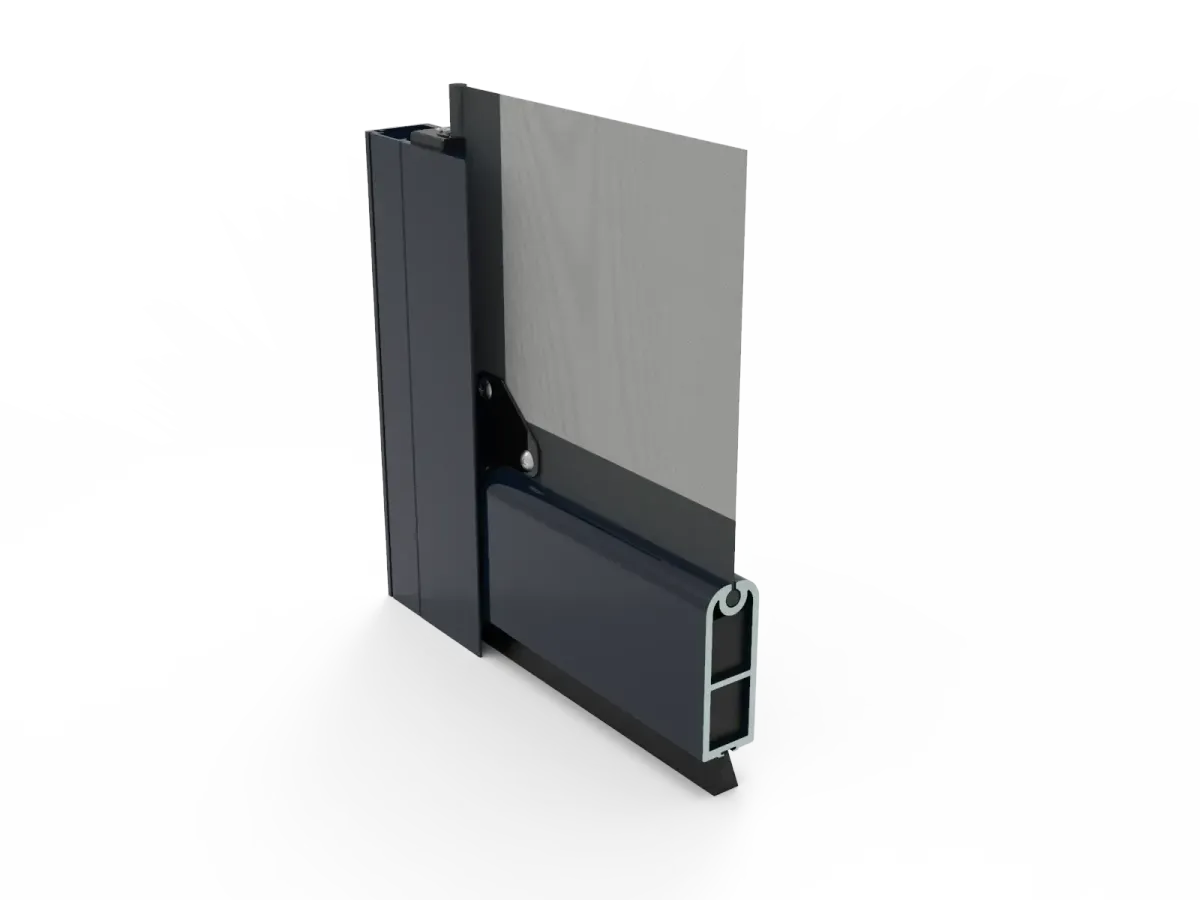
For nearly two decades, MaxForce has manufactured hurricane screens to meet the most demanding building code, the High Velocity Hurricane Zone of Miami-Dade. The MaxForce track is our newest version of the fixed track we have used with great success for high wind applications all over the globe.
The benefits of a fixed track are unmatched strength - this is important when designing a screen system for hurricanes. When you want the strongest system available, and a proven veteran of many hurricanes, the MaxForce Hurricane Track is your best choice.
MAXFORCE THE #1 MOTORIZED
HURRICANE SCREEN
Contact A+ Certified MaxForce Screen
Dealer Today...
MAXFORCE HURRICANE SCREENS
Engineering Features
No blowouts. No rewraps.
No frustration.
MaxForce is the only retractable screen system on the market designed to stay locked in the track—even in high winds. Smart motor senses resistance and adjusts seamlessly, allowing self-correction when the screen encounters an obstacle: Fewer snags, fewer jams, and fewer costly service calls.
No Zipper. No Cable.
Just Simple Deployment
MaxForce pioneered Keder-edge technology in motorized screens, delivering unmatched durability and simplicity. Borrowed from sailboat rigging, this system eliminates zippers, cables, and exposed hardware—ensuring smooth, reliable operation every time.
Heavy Duty
The MaxForce weight bar is engineered for strength—and built to hold its ground. Pound for pound, it’s the heaviest and most robust weight bar in the industry. This ensures proper screen tension, flawless deployment, and maximum stability in high wind zones. —limited flex, no failure.
Reinforced Corners
MaxForce’s heavy-duty weight bar isn’t just strong. It’s smart. Reinforced corners and integrated tie-ins create a unified structure that acts like a solid wall of protection when deployed. Made from high-strength nylon, this bar absorbs impacts while maintaining structural integrity.

HEADACHE-FREE
Exclusive self-tensioning system eliminates 99.9% of screen issues. No track adjustments, broken zippers, or dislodged screens.

LIFETIME WARRANTY
Exterior shade screens reduce cooling bills and MaxForce hurricane screens reduce insurance premiums in hurricane zones.

HURRICANE STRONG
Our MaxForce tracks and advanced hybrid ballistic fabrics withstand 150+ mph winds. Approved by Florida Building Commission for hurricane zones. Lab and real-world tested.

BUILT TO LAST
We use marine-grade materials such as powder-coated aluminum, UV-protected nylons, stainless steel fasteners, and premium fabrics. Resists corrosion, rust, and screen failure.

COST-SAVING
Exterior shade screens reduce cooling bills and MaxForce hurricane screens reduce insurance premiums in hurricane zones.

SMART CONTROLS
Control MaxForce screens via remote and
phone or integrate with popular home automation systems for advanced
capabilities.

SECURE TRACK
MaxForce Fix Hurricane Track holds firm under extreme loads

MAX CORROSION PROTECTION
Powder Coated Aluminum Protects your investment from exposer and corrosion.

HEAVY-DUTY DESIGN
Our screens are designed to withstand the extreme. High wind, Rain, or Shine, Dust Dirt, Dander, it doesn't matter. MaxForce Cover it all.

CUSTOM-MADE SCREENS
Tailor-made screens with vast color, fabric, and system options. Custom paint color and fabric matching are available.
MAXFORCE THE #1 MOTORIZED HURRICANE SCREEN
Contact A+ Certified MaxForce Screen Dealer Today...
HEADACHE-FREE
Exclusive self-tensioning system eliminates 99.9% of screen issues.
No track adjustments, broken zippers,
or dislodged screens.
LIFETIME WARRANTY
Exterior shade screens reduce cooling
bills and MaxForce hurricane screens
reduce insurance premiums in
hurricane zones.
HURRICANE STRONG
Our MaxForce tracks and advanced hybrid ballistic fabrics withstand
150+ mph winds. Approved by Florida Building Commission for hurricane
zones. Lab and real-world tested.
BUILT TO LAST
We use marine-grade materials such
as powder-coated aluminum, UV-protected nylons, stainless steel
fasteners, and premium fabrics. Resists corrosion, rust, and screen failure.
COST-SAVING
Exterior shade screens reduce cooling
bills and MaxForce hurricane screens
reduce insurance premiums in
hurricane zones.
SMART CONTROLS
Control MaxForce screens via remote and
phone or integrate with popular home automation systems for advanced
capabilities.
SECURE TRACK
MaxForce Fix Hurricane Track holds firm under extreme loads
MAX CORROSION PROTECTION
Powder Coated Aluminum Protects your investment from exposer and corrosion.
HEAVY-DUTY DESIGN
Our screens are designed to withstand
the extreme. High wind, Rain, or Shine,
Dust Dirt, Dander, it doesn't matter. MaxForce Cover it all.
CUSTOM-MADE SCREENS
Tailor-made screens with vast color, fabric, and system options. Custom
paint color and fabric matching are available.
MAXFORCE THE #1 MOTORIZED
HURRICANE SCREEN
Contact A+ Certified MaxForce Screen
Dealer Today...
MAXFORCE
Ready For Life's Storms
MAXFORCE HURRICANE SCREEN SYSTEM
A Certified, Tested System...
The MaxForce Hurricane Screen System meets or exceeds Miami-Dade and Florida Building Code requirements—the toughest hurricane codes on earth—for roll-down hurricane screens. Rated for the 185 MPH wind zone, and with real-world and certified testing. With spans of up to 25 feet, they exceed performance criteria for all local and International Building Codes.
MAXFORCE THE #1 MOTORIZED HURRICANE SCREEN
Contact A+ Certified MaxForce Screen Dealer Today...
MAXFORCE
Ready For Life's Storms
MAXFORCE HURRICANE SCREEN SYSTEM
A Certified, Tested System...
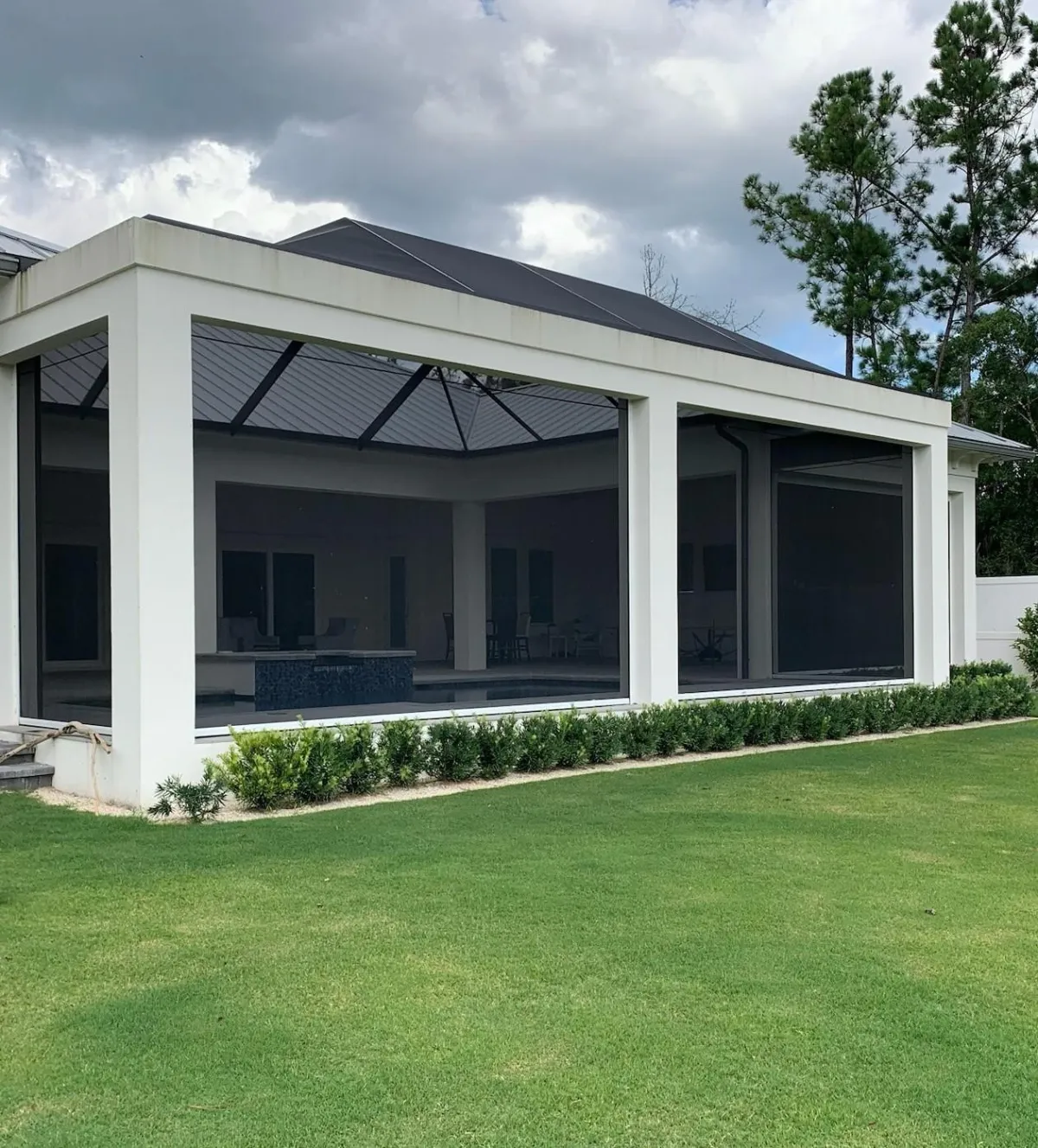
The MaxForce Hurricane Screen System meets or exceeds Miami-Dade and Florida Building Code requirements—the toughest hurricane codes on earth—for roll-down hurricane screens. Rated for the 185 MPH wind zone, and with real-world and certified testing. With spans of up to 25 feet, they exceed performance criteria for all local and International Building Codes.
MAXFORCE THE #1 MOTORIZED
HURRICANE SCREEN
Contact A+ Certified MaxForce Screen
Dealer Today...
THE MAXFORCE DIFFERENCE
Maxforce Hurricane Screen
THE MAXFORCE DIFFERENCE
MaxForce Hurricane Screen
MaxForce Hurricane Screens, powered by our MaxForce system, meet the toughest standards—including HVHZ certification in Miami-Dade and Broward. They last longer, resist more, and do more than any screen on the market—proven protection without compromise.
MaxForce Hurricane Screens —Delivers 365 days of perfect protection, rain or shine, on your patio and lanai. With the push of a button or a tap on the mobile app, your patio is storm-ready— furniture and openings fully protected in seconds.
MaxForce Hurricane Screens fabric blocks up to 95% of the sun’s damaging UV-rays while shielding against wind, rain, insects, dust, and debris. It also helps reduce heat and lower energy costs by limiting solar exposure—comfort and protection in one smart solution.
Like all Maxforce products, our MaxForce Hurricane Screens are highly customizable and built to order—made to fit your exact openings. No guesswork, no compromises—just precision-fit protection tailored to your space.
Pair our retractable MaxForce Hurricane Screens with other Maxforce screens for customized and independent solutions. Each screen operates independently, giving you the protection you want when you need it.
MaxForce Hurricane Screens offer built-in privacy without blocking your view. Like a two-way mirror, you can see out—but neighbors and passersby can not see in. It provides the perfect blend of openness and seclusion, day or night.
MAXFORCE THE #1 MOTORIZED HURRICANE SCREEN
Contact A+ Certified MaxForce Screen Dealer Today...
INTEGRITY MATTERS
How MaxForce Is Made Matters
MaxForce Hurricane Screens, powered by our MaxForce system, meet the toughest standards—including HVHZ certification in Miami-Dade and Broward. They last longer, resist more, and do more than any screen on the market—proven protection without compromise.
.
MaxForce Hurricane Screens —Delivers 365 days of perfect protection, rain or shine, on your patio and lanai. With the push of a button or a tap on the mobile app, your patio is storm-ready— furniture and openings fully protected in seconds.
MaxForce Hurricane Screens fabric blocks up to 95% of the sun’s damaging UV-rays while shielding against wind, rain, insects, dust, and debris. It also helps reduce heat and lower energy costs by limiting solar exposure—comfort and protection in one smart solution.
.
Like all Maxforce products, our MaxForce Hurricane Screens are highly customizable and built to order—made to fit your exact openings. No guesswork, no compromises—just precision-fit protection tailored to your space.
.
Pair our retractable MaxForce Hurricane Screens with other Maxforce screens for customized and independent solutions. Each screen operates independently, giving you the protection you want when you need it.
.
MaxForce Hurricane Screens offer built-in privacy without blocking your view. Like a two-way mirror, you can see out—but neighbors and passersby can not see in. It provides the perfect blend of openness and seclusion, day or night.
.
MAXFORCE THE #1 MOTORIZED
HURRICANE SCREEN
Contact A+ Certified MaxForce Screen
Dealer Today...
INTEGRITY MATTERS
How MaxForce Is
Made Matters
AMERICAN INGENUITY
Made in the USA.
Proudly Made in the USA—every MaxForce screen is built with American strength, precision, and pride. From the smallest components to the final assembly, our materials are sourced and manufactured right here in the United States. No outsourcing. No compromises. Just hardworking Americans protecting American homes with the toughest screen system on the market.
Shutters vs. Screens vs. Impact Glass: An Honest Comparison for 2026
Shutters vs. Screens vs. Impact Glass: An Honest Comparison for 2026
The question isn't which option is best. The question is which option is best for you.
The Afternoon Everything Changed
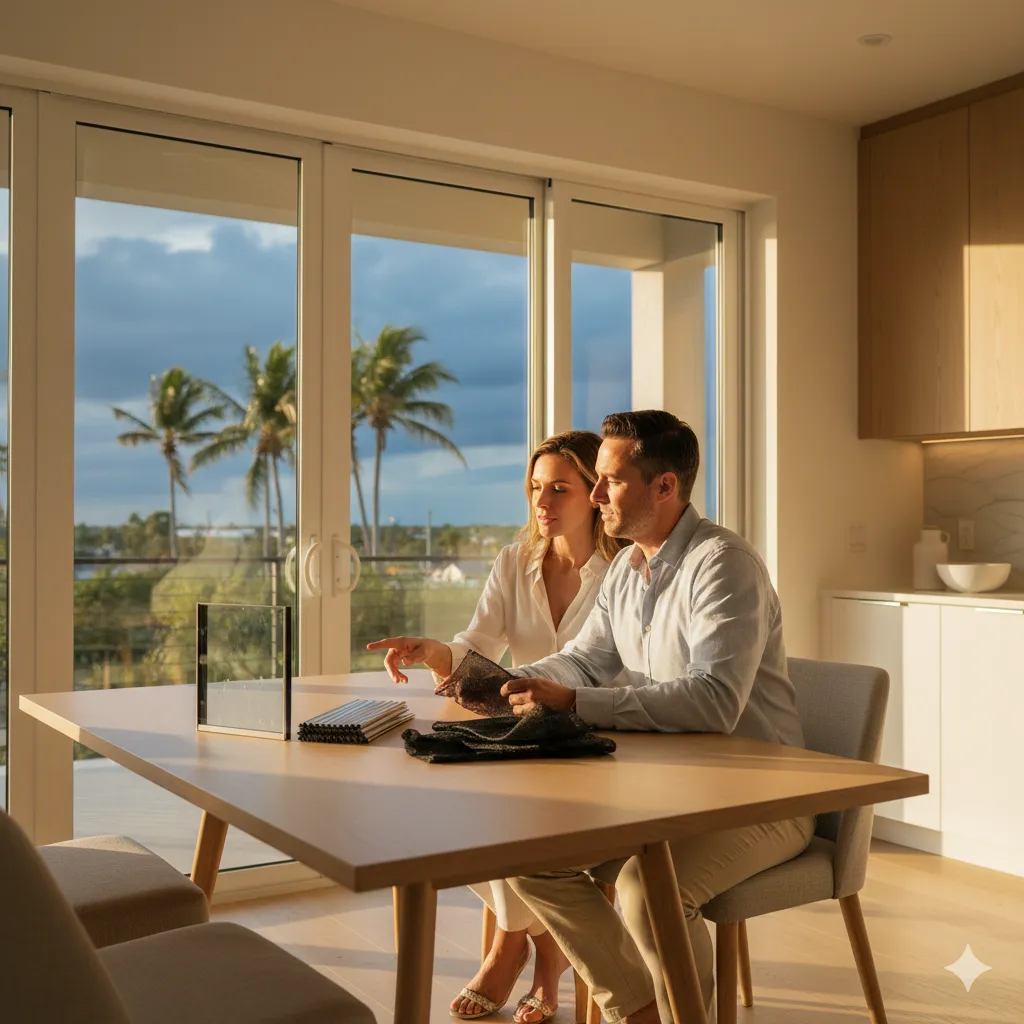
It started, as these things often do, with a kitchen table covered in brochures.
The Nguyens had been talking about hurricane protection for three years. Three hurricane seasons of watching weather maps and hoping for the best. Three evacuation scares that ended with nothing more than rain and frayed nerves. But this year was different. Their neighbor's lanai had been destroyed in last season's tropical storm—the one that wasn't even supposed to be a hurricane. The one that caught everyone off guard.
So now Michelle Nguyen sat at her kitchen table with her husband David, surrounded by glossy brochures from four different companies offering four different solutions at four different price points with four different sets of claims about why theirs was the only sensible choice.
Impact windows. Accordion shutters. Roll-down shutters. Hurricane screens. Storm panels. Fabric systems.
The more they researched, the less certain they became.
"I just want to know what's actually true," Michelle said, pushing the brochures aside. "Not what someone's trying to sell me."
It's a feeling most homeowners recognize. The hurricane protection industry is crowded with options, and every manufacturer believes their product is superior. Every salesperson has a compelling pitch. Every comparison chart is mysteriously tilted in favor of whoever produced it.
This blog is different. We sell hurricane screens—we're transparent about that. But we also believe that an informed homeowner makes a better decision, even if that decision isn't us. Because the wrong protection for your situation helps no one. And the homeowner who understands their options makes the choice that actually keeps their family safe.
So here's the honest comparison. The real tradeoffs. What each option does well, where each falls short, and how to know which one fits your life.
Understanding What You're Protecting
Before comparing products, it's worth stepping back to understand what hurricane protection actually accomplishes.
The danger during a hurricane isn't primarily the wind itself—it's what the wind carries. Flying debris traveling at hurricane speeds can turn a patio chair into a projectile capable of shattering windows and creating breaches in a home's envelope. Once that envelope is breached, internal pressure builds rapidly, often catastrophically. Roofs lift. Walls fail. What started as a broken window becomes structural destruction.
Every hurricane protection system—whether shutters, screens, or impact glass—exists to maintain that envelope integrity. To keep debris from penetrating. To preserve the pressure balance that keeps the roof on and the walls standing.
The differences between systems come down to five factors: protection level, convenience, aesthetics, cost, and application. No single option wins across all five. The question is which factors matter most for your specific situation.
Impact Windows: The Whole-Home Solution
Let's start with impact windows, because they represent the most comprehensive—and most expensive—approach to hurricane protection.
What They Are
Impact-resistant windows replace your existing windows with specialized units featuring laminated glass bonded to an interlayer (typically polyvinyl butyral or PVB). When struck by debris, the outer layer may crack, but the interlayer prevents penetration. The window remains intact. The envelope holds.
What They Do Well
Impact windows offer something no other option provides: always-on protection. There's nothing to deploy, nothing to store, nothing to remember when the forecast turns ominous. You're protected whether you're home or halfway across the country. Whether the storm arrives at 2 AM or catches you at the office.
Beyond hurricanes, impact windows provide year-round benefits. They reduce outside noise significantly—sometimes by 25 to 40 decibels. They block UV rays that fade furniture and flooring. They improve energy efficiency. They enhance security against break-ins, since the same laminated glass that stops debris also resists repeated blows from intruders.
For homeowners whose primary openings are standard windows and doors, impact glass often makes sense as a whole-home solution. One investment. Permanent protection. Done.
Where They Fall Short
Cost is the obvious limitation. Impact window installation typically ranges from $40 to $55 per square foot, with whole-home installations often reaching $15,000 to $30,000 depending on the number and size of openings. For a homeowner on a tighter budget, that's simply not feasible.
There's also the question of application. Impact windows protect windows. But modern Florida homes often feature large openings that aren't windows at all—screened lanais, pool enclosures, outdoor living spaces with openings far larger than any window. Impact glass isn't designed for a 20-foot lanai opening. You'd need something else entirely.
And while impact windows provide excellent protection, they don't provide privacy or shade. When the storm arrives, you're watching it through transparent glass. Some homeowners find this unnerving.
Best For
Homeowners who want set-it-and-forget-it protection for standard window openings, who value the year-round benefits (noise reduction, UV protection, energy efficiency), and who have the budget for a significant one-time investment.
Accordion Shutters: The Workhorse
Accordion shutters have protected Florida homes for decades. There's a reason they're still everywhere: they work.
What They Are
Accordion shutters are permanently installed aluminum systems that fold compactly at the sides of windows or doors when not in use. When needed, they unfold along a track to cover the entire opening, then lock in place. The accordion design allows coverage of wide openings that would be impractical for other shutter types.
What They Do Well
Accordion shutters hit a sweet spot between protection and cost. At $15 to $30 per square foot, they're significantly more affordable than impact windows while still providing genuine hurricane protection. They're tested to the same standards. They meet the same code requirements. They qualify for the same wind mitigation insurance discounts.
Deployment is relatively straightforward. One person can close accordion shutters in under an hour for a typical home. No heavy panels to lift, no hardware to track down, no trips to the garage searching for the pieces you stored after last season.
Accordion shutters also provide security benefits. When closed and locked, they create a physical barrier that deters break-ins—useful during evacuations when homes sit empty for days.
Where They Fall Short
Aesthetics are the primary complaint. There's no gentle way to say it: accordion shutters aren't beautiful. When deployed, they transform your home's exterior into a fortress of corrugated metal. When stored, the shutter boxes on either side of windows are visible and difficult to disguise.
Homeowner Associations have increasingly pushed back against accordion shutters on aesthetic grounds. Some communities prohibit them on front-facing elevations. Others require removal within days of a storm's passing.
There's also the question of light and visibility. When accordion shutters are deployed, you're in a sealed box. No natural light. No visibility. No way to see what's happening outside except by opening a door—which defeats the purpose of the protection.
And while deployment is easier than storm panels, it still requires physical effort and advance preparation. If you're elderly, mobility-impaired, or simply not home when the storm approaches, accordion shutters require you to be present and able to close them.
Best For
Budget-conscious homeowners who want reliable protection for standard openings, don't mind the aesthetic impact, and are willing to handle manual deployment when storms threaten.
Roll-Down Shutters: The Premium Choice
Roll-down shutters represent the top of the traditional shutter market—maximum convenience with a price tag to match.
What They Are
Roll-down shutters (sometimes called rolling shutters or roll-up shutters) are permanently installed systems that store in a housing box above the opening. When deployed, the aluminum or steel slats roll down along vertical tracks. Manual versions use a crank or strap; motorized versions operate at the push of a button or through smartphone integration.
What They Do Well
Motorized roll-down shutters are remarkably convenient. Press a button, watch your home seal itself. Some systems integrate with smart home platforms, allowing you to close shutters remotely—from your office, from the airport, from wherever you are when the forecast changes.
For homeowners with large openings or multiple access points, this convenience is transformative. A home with fifteen openings might take two hours to secure with accordion shutters. With motorized roll-downs, you're protected in minutes.
Roll-down shutters also provide excellent security. The interlocking slats create a barrier that's extremely difficult to breach. Some homeowners deploy them during extended travel, regardless of weather.
Where They Fall Short
Cost. Roll-down shutters range from $25 to $60 per square foot, with motorized versions at the higher end. Add electrical work, smart home integration, and installation, and you're approaching impact window prices for a solution that still requires deployment.
Maintenance is another consideration. Roll-down systems have moving parts—motors, tracks, slats that must align precisely. Annual maintenance is recommended, and repairs can be costly. A motor that fails during hurricane season leaves you vulnerable until a technician is available—and technicians are scarce when everyone needs them.
Like accordion shutters, roll-downs eliminate natural light when deployed. You're protected, but you're also in the dark.
Best For
Homeowners who prioritize convenience over cost, want push-button deployment, and value security benefits beyond hurricane protection.
Storm Panels: The Budget Option
Storm panels represent the entry point for hurricane protection—affordable, effective, and labor-intensive.
What They Are
Storm panels are corrugated sheets of aluminum, steel, or clear polycarbonate that attach to permanent tracks or bolts installed around windows and doors. They're stored elsewhere when not in use—typically in a garage—and installed when storms approach.
What They Do Well
Storm panels are affordable. Costs range from $7 to $20 per square foot, making them accessible to homeowners who can't justify more expensive options. They provide genuine protection that meets code requirements and qualifies for insurance discounts.
For homeowners willing to do the work themselves, storm panels represent significant savings. Many install their own systems, further reducing costs.
Where They Fall Short
Installation is the dealbreaker for many. Storm panels are heavy. They require handling, lifting, aligning, and fastening—often from a ladder, often in the heat, often under time pressure as a storm approaches. A typical home might take an entire day to panel, and it's genuinely exhausting work.
Storage is another challenge. Those panels take up space—significant garage or storage room space that's occupied year-round for equipment used a few days per year.
The logistics also become complicated if you're not home when a storm threatens. Panels require physical presence, physical ability, and advance time. Homeowners who travel frequently, who are elderly, or who simply lack the strength for ladder work often find panels impractical.
Best For
Budget-conscious homeowners with the physical ability and time to install panels themselves, adequate storage space, and a reliable plan for being home when storms threaten.
Hurricane Screens: The Modern Alternative
Hurricane screens represent a newer category—one that emerged specifically to address limitations in traditional options.
What They Are
Hurricane screens are permanently installed fabric or mesh systems, typically made from high-tensile-strength materials like aramid fibers (the same material used in body armor). They deploy vertically along tracks—manually via strap or crank, or automatically via motor.
What They Do Well
Screens occupy a unique position in the market: they combine the convenience of roll-down shutters with visibility and light that other shutter options eliminate.
When deployed, hurricane screens allow filtered natural light to enter. You can see outside—not perfectly, but well enough to observe conditions without opening doors. During the psychological endurance test of riding out a hurricane, that visibility matters more than homeowners expect.
Screens excel in applications where traditional shutters struggle: large lanai openings, pool enclosures, outdoor living spaces with expansive spans. The flexible fabric handles dimensions that would be impractical for rigid alternatives.
For motorized versions, deployment is push-button simple. One person can protect an entire home in minutes, remotely if needed.
Aesthetically, screens integrate more subtly than metal shutters. When retracted, the housing is less obtrusive. When deployed, the fabric appearance is softer than corrugated metal. HOAs that prohibit accordion shutters often permit screens.
Where They Fall Short
Hurricane screens aren't security barriers in the way metal shutters are. The fabric that stops debris won't stop a determined intruder with a knife. For homeowners prioritizing security during evacuations, screens alone may not provide sufficient peace of mind.
Screens are also primarily designed for outdoor living spaces—lanais, patios, pool enclosures. They're not typically used for standard windows, which means they complement other protection systems rather than replacing them entirely. A home might use impact windows or shutters on standard openings and screens on large outdoor spaces.
Cost falls between accordion shutters and roll-down systems—typically $7 to $20 per square foot for installed systems, with motorized versions higher. Not the cheapest option, but also not the most expensive.
Best For
Homeowners with significant outdoor living space—lanais, pool enclosures, covered patios—who want motorized convenience and light/visibility during storms, and who are willing to use complementary protection on standard window openings.
The Real Decision Framework
After all these specifics, here's the truth: there's no universally "best" option. There's only the option that fits your life.
If your budget is limited and you're physically capable of installation work: Storm panels provide genuine protection at the lowest cost.
If you want permanent, always-on protection for standard windows and can absorb a significant upfront investment: Impact windows offer set-and-forget security with year-round benefits.
If you want reliable protection at moderate cost and don't mind manual deployment: Accordion shutters have been protecting Florida homes for decades because they simply work.
If convenience is your priority and budget is secondary: Motorized roll-down shutters deploy at the push of a button.
If you have large outdoor living spaces and want the combination of motorized convenience with light and visibility: Hurricane screens were designed specifically for this application.
For most homes, the answer is a combination. Impact windows or shutters on standard openings. Screens on the lanai. Each system applied where it makes most sense.
The Conversation the Nguyens Eventually Had
Michelle and David Nguyen didn't find their answer in the brochures. They found it by asking a different question.
Instead of "which product is best," they asked "what are we actually protecting?"
Their home had standard windows on three sides—twelve openings total. On the back, they had a 22-foot lanai opening that faced the pool and was where they actually spent most of their time.
For the windows, accordion shutters made sense. Manual deployment they could handle. Budget they could manage. Aesthetics they could accept.
For the lanai—the space that mattered most to them, the space they'd invested $80,000 building—they wanted something different. Something that didn't turn their outdoor living room into a sealed metal box. Something they could deploy with a button when the forecast turned, even if they were stuck at work.
They chose hurricane screens for the lanai. Motorized. Category 5 rated.
Total investment was less than full impact windows would have cost for just the standard openings. And their lanai—the heart of their Florida lifestyle—remained visible and usable even when protected.
It wasn't the "best" solution in some abstract sense. It was the right solution for them.
Making Your Decision
If you're where the Nguyens started—kitchen table covered in brochures, more confused than when you began—here's our honest advice:
Start with what you're protecting. Map your home's vulnerable openings. Standard windows? Large outdoor spaces? Both?
Be honest about your lifestyle. Will you actually deploy manual shutters? Can you handle the physical work of panels? Or do you need push-button convenience to ensure protection actually happens?
Consider the insurance math. Florida insurers are required to offer wind mitigation discounts for qualifying protection. A wind mitigation inspection can reveal which upgrades provide the best return. Sometimes the "expensive" option pays for itself faster than expected.
Request consultations, not quotes. Any company that leads with price before understanding your home and lifestyle is selling products, not solutions. The right conversation starts with questions about what you're protecting and how you live—not square footage and credit approval.
MaxForce Hurricane Screens may be part of your answer. For outdoor living spaces, for large openings, for homeowners who want motorized convenience with light and visibility—that's our specialty.
But if accordion shutters make more sense for your situation, we'll tell you that too. Because the homeowner who trusts their guide is the homeowner who acts when it matters.
The storm doesn't care which brochure looked best on your kitchen table.
It only cares whether you're protected.
Schedule a consultation to discuss which protection approach fits your home and lifestyle. We'll walk your property, understand your priorities, and give you an honest assessment—even if that assessment is "we're not the right fit for this opening."
Because being protected matters more than who protects you.

Company
MaxForce Hurricane Screens
Design Ideals
Resources


© 2025 Maxforce - Powered by Fenetex and Friends of Oatis
AMERICAN INGENUITY
Made in the USA
Proudly Made in the USA—every MaxForce screen is built with American strength, precision, and pride. From the smallest components to the final assembly, our materials are sourced and manufactured right here in the United States. No outsourcing. No compromises. Just hardworking Americans protecting American homes with the toughest screen system on the market.
Shutters vs. Screens vs. Impact Glass: An Honest Comparison for 2026
Shutters vs. Screens vs. Impact Glass: An Honest Comparison for 2026
The question isn't which option is best. The question is which option is best for you.
The Afternoon Everything Changed
It started, as these things often do, with a kitchen table covered in brochures.
The Nguyens had been talking about hurricane protection for three years. Three hurricane seasons of watching weather maps and hoping for the best. Three evacuation scares that ended with nothing more than rain and frayed nerves. But this year was different. Their neighbor's lanai had been destroyed in last season's tropical storm—the one that wasn't even supposed to be a hurricane. The one that caught everyone off guard.
So now Michelle Nguyen sat at her kitchen table with her husband David, surrounded by glossy brochures from four different companies offering four different solutions at four different price points with four different sets of claims about why theirs was the only sensible choice.
Impact windows. Accordion shutters. Roll-down shutters. Hurricane screens. Storm panels. Fabric systems.
The more they researched, the less certain they became.
"I just want to know what's actually true," Michelle said, pushing the brochures aside. "Not what someone's trying to sell me."
It's a feeling most homeowners recognize. The hurricane protection industry is crowded with options, and every manufacturer believes their product is superior. Every salesperson has a compelling pitch. Every comparison chart is mysteriously tilted in favor of whoever produced it.
This blog is different. We sell hurricane screens—we're transparent about that. But we also believe that an informed homeowner makes a better decision, even if that decision isn't us. Because the wrong protection for your situation helps no one. And the homeowner who understands their options makes the choice that actually keeps their family safe.
So here's the honest comparison. The real tradeoffs. What each option does well, where each falls short, and how to know which one fits your life.
Understanding What You're Protecting
Before comparing products, it's worth stepping back to understand what hurricane protection actually accomplishes.
The danger during a hurricane isn't primarily the wind itself—it's what the wind carries. Flying debris traveling at hurricane speeds can turn a patio chair into a projectile capable of shattering windows and creating breaches in a home's envelope. Once that envelope is breached, internal pressure builds rapidly, often catastrophically. Roofs lift. Walls fail. What started as a broken window becomes structural destruction.
Every hurricane protection system—whether shutters, screens, or impact glass—exists to maintain that envelope integrity. To keep debris from penetrating. To preserve the pressure balance that keeps the roof on and the walls standing.
The differences between systems come down to five factors: protection level, convenience, aesthetics, cost, and application. No single option wins across all five. The question is which factors matter most for your specific situation.
Impact Windows: The Whole-Home Solution
Let's start with impact windows, because they represent the most comprehensive—and most expensive—approach to hurricane protection.
What They Are
Impact-resistant windows replace your existing windows with specialized units featuring laminated glass bonded to an interlayer (typically polyvinyl butyral or PVB). When struck by debris, the outer layer may crack, but the interlayer prevents penetration. The window remains intact. The envelope holds.
What They Do Well
Impact windows offer something no other option provides: always-on protection. There's nothing to deploy, nothing to store, nothing to remember when the forecast turns ominous. You're protected whether you're home or halfway across the country. Whether the storm arrives at 2 AM or catches you at the office.
Beyond hurricanes, impact windows provide year-round benefits. They reduce outside noise significantly—sometimes by 25 to 40 decibels. They block UV rays that fade furniture and flooring. They improve energy efficiency. They enhance security against break-ins, since the same laminated glass that stops debris also resists repeated blows from intruders.
For homeowners whose primary openings are standard windows and doors, impact glass often makes sense as a whole-home solution. One investment. Permanent protection. Done.
Where They Fall Short
Cost is the obvious limitation. Impact window installation typically ranges from $40 to $55 per square foot, with whole-home installations often reaching $15,000 to $30,000 depending on the number and size of openings. For a homeowner on a tighter budget, that's simply not feasible.
There's also the question of application. Impact windows protect windows. But modern Florida homes often feature large openings that aren't windows at all—screened lanais, pool enclosures, outdoor living spaces with openings far larger than any window. Impact glass isn't designed for a 20-foot lanai opening. You'd need something else entirely.
And while impact windows provide excellent protection, they don't provide privacy or shade. When the storm arrives, you're watching it through transparent glass. Some homeowners find this unnerving.
Best For
Homeowners who want set-it-and-forget-it protection for standard window openings, who value the year-round benefits (noise reduction, UV protection, energy efficiency), and who have the budget for a significant one-time investment.
Accordion Shutters: The Workhorse
Accordion shutters have protected Florida homes for decades. There's a reason they're still everywhere: they work.
What They Are
Accordion shutters are permanently installed aluminum systems that fold compactly at the sides of windows or doors when not in use. When needed, they unfold along a track to cover the entire opening, then lock in place. The accordion design allows coverage of wide openings that would be impractical for other shutter types.
What They Do Well
Accordion shutters hit a sweet spot between protection and cost. At $15 to $30 per square foot, they're significantly more affordable than impact windows while still providing genuine hurricane protection. They're tested to the same standards. They meet the same code requirements. They qualify for the same wind mitigation insurance discounts.
Deployment is relatively straightforward. One person can close accordion shutters in under an hour for a typical home. No heavy panels to lift, no hardware to track down, no trips to the garage searching for the pieces you stored after last season.
Accordion shutters also provide security benefits. When closed and locked, they create a physical barrier that deters break-ins—useful during evacuations when homes sit empty for days.
Where They Fall Short
Aesthetics are the primary complaint. There's no gentle way to say it: accordion shutters aren't beautiful. When deployed, they transform your home's exterior into a fortress of corrugated metal. When stored, the shutter boxes on either side of windows are visible and difficult to disguise.
Homeowner Associations have increasingly pushed back against accordion shutters on aesthetic grounds. Some communities prohibit them on front-facing elevations. Others require removal within days of a storm's passing.
There's also the question of light and visibility. When accordion shutters are deployed, you're in a sealed box. No natural light. No visibility. No way to see what's happening outside except by opening a door—which defeats the purpose of the protection.
And while deployment is easier than storm panels, it still requires physical effort and advance preparation. If you're elderly, mobility-impaired, or simply not home when the storm approaches, accordion shutters require you to be present and able to close them.
Best For
Budget-conscious homeowners who want reliable protection for standard openings, don't mind the aesthetic impact, and are willing to handle manual deployment when storms threaten.
Roll-Down Shutters: The Premium Choice
Roll-down shutters represent the top of the traditional shutter market—maximum convenience with a price tag to match.
What They Are
Roll-down shutters (sometimes called rolling shutters or roll-up shutters) are permanently installed systems that store in a housing box above the opening. When deployed, the aluminum or steel slats roll down along vertical tracks. Manual versions use a crank or strap; motorized versions operate at the push of a button or through smartphone integration.
What They Do Well
Motorized roll-down shutters are remarkably convenient. Press a button, watch your home seal itself. Some systems integrate with smart home platforms, allowing you to close shutters remotely—from your office, from the airport, from wherever you are when the forecast changes.
For homeowners with large openings or multiple access points, this convenience is transformative. A home with fifteen openings might take two hours to secure with accordion shutters. With motorized roll-downs, you're protected in minutes.
Roll-down shutters also provide excellent security. The interlocking slats create a barrier that's extremely difficult to breach. Some homeowners deploy them during extended travel, regardless of weather.
Where They Fall Short
Cost. Roll-down shutters range from $25 to $60 per square foot, with motorized versions at the higher end. Add electrical work, smart home integration, and installation, and you're approaching impact window prices for a solution that still requires deployment.
Maintenance is another consideration. Roll-down systems have moving parts—motors, tracks, slats that must align precisely. Annual maintenance is recommended, and repairs can be costly. A motor that fails during hurricane season leaves you vulnerable until a technician is available—and technicians are scarce when everyone needs them.
Like accordion shutters, roll-downs eliminate natural light when deployed. You're protected, but you're also in the dark.
Best For
Homeowners who prioritize convenience over cost, want push-button deployment, and value security benefits beyond hurricane protection.
Storm Panels: The Budget Option
Storm panels represent the entry point for hurricane protection—affordable, effective, and labor-intensive.
What They Are
Storm panels are corrugated sheets of aluminum, steel, or clear polycarbonate that attach to permanent tracks or bolts installed around windows and doors. They're stored elsewhere when not in use—typically in a garage—and installed when storms approach.
What They Do Well
Storm panels are affordable. Costs range from $7 to $20 per square foot, making them accessible to homeowners who can't justify more expensive options. They provide genuine protection that meets code requirements and qualifies for insurance discounts.
For homeowners willing to do the work themselves, storm panels represent significant savings. Many install their own systems, further reducing costs.
Where They Fall Short
Installation is the dealbreaker for many. Storm panels are heavy. They require handling, lifting, aligning, and fastening—often from a ladder, often in the heat, often under time pressure as a storm approaches. A typical home might take an entire day to panel, and it's genuinely exhausting work.
Storage is another challenge. Those panels take up space—significant garage or storage room space that's occupied year-round for equipment used a few days per year.
The logistics also become complicated if you're not home when a storm threatens. Panels require physical presence, physical ability, and advance time. Homeowners who travel frequently, who are elderly, or who simply lack the strength for ladder work often find panels impractical.
Best For
Budget-conscious homeowners with the physical ability and time to install panels themselves, adequate storage space, and a reliable plan for being home when storms threaten.
Hurricane Screens: The Modern Alternative
Hurricane screens represent a newer category—one that emerged specifically to address limitations in traditional options.
What They Are
Hurricane screens are permanently installed fabric or mesh systems, typically made from high-tensile-strength materials like aramid fibers (the same material used in body armor). They deploy vertically along tracks—manually via strap or crank, or automatically via motor.
What They Do Well
Screens occupy a unique position in the market: they combine the convenience of roll-down shutters with visibility and light that other shutter options eliminate.
When deployed, hurricane screens allow filtered natural light to enter. You can see outside—not perfectly, but well enough to observe conditions without opening doors. During the psychological endurance test of riding out a hurricane, that visibility matters more than homeowners expect.
Screens excel in applications where traditional shutters struggle: large lanai openings, pool enclosures, outdoor living spaces with expansive spans. The flexible fabric handles dimensions that would be impractical for rigid alternatives.
For motorized versions, deployment is push-button simple. One person can protect an entire home in minutes, remotely if needed.
Aesthetically, screens integrate more subtly than metal shutters. When retracted, the housing is less obtrusive. When deployed, the fabric appearance is softer than corrugated metal. HOAs that prohibit accordion shutters often permit screens.
Where They Fall Short
Hurricane screens aren't security barriers in the way metal shutters are. The fabric that stops debris won't stop a determined intruder with a knife. For homeowners prioritizing security during evacuations, screens alone may not provide sufficient peace of mind.
Screens are also primarily designed for outdoor living spaces—lanais, patios, pool enclosures. They're not typically used for standard windows, which means they complement other protection systems rather than replacing them entirely. A home might use impact windows or shutters on standard openings and screens on large outdoor spaces.
Cost falls between accordion shutters and roll-down systems—typically $7 to $20 per square foot for installed systems, with motorized versions higher. Not the cheapest option, but also not the most expensive.
Best For
Homeowners with significant outdoor living space—lanais, pool enclosures, covered patios—who want motorized convenience and light/visibility during storms, and who are willing to use complementary protection on standard window openings.
The Real Decision Framework
After all these specifics, here's the truth: there's no universally "best" option. There's only the option that fits your life.
If your budget is limited and you're physically capable of installation work: Storm panels provide genuine protection at the lowest cost.
If you want permanent, always-on protection for standard windows and can absorb a significant upfront investment: Impact windows offer set-and-forget security with year-round benefits.
If you want reliable protection at moderate cost and don't mind manual deployment: Accordion shutters have been protecting Florida homes for decades because they simply work.
If convenience is your priority and budget is secondary: Motorized roll-down shutters deploy at the push of a button.
If you have large outdoor living spaces and want the combination of motorized convenience with light and visibility: Hurricane screens were designed specifically for this application.
For most homes, the answer is a combination. Impact windows or shutters on standard openings. Screens on the lanai. Each system applied where it makes most sense.
The Conversation the Nguyens Eventually Had
Michelle and David Nguyen didn't find their answer in the brochures. They found it by asking a different question.
Instead of "which product is best," they asked "what are we actually protecting?"
Their home had standard windows on three sides—twelve openings total. On the back, they had a 22-foot lanai opening that faced the pool and was where they actually spent most of their time.
For the windows, accordion shutters made sense. Manual deployment they could handle. Budget they could manage. Aesthetics they could accept.
For the lanai—the space that mattered most to them, the space they'd invested $80,000 building—they wanted something different. Something that didn't turn their outdoor living room into a sealed metal box. Something they could deploy with a button when the forecast turned, even if they were stuck at work.
They chose hurricane screens for the lanai. Motorized. Category 5 rated.
Total investment was less than full impact windows would have cost for just the standard openings. And their lanai—the heart of their Florida lifestyle—remained visible and usable even when protected.
It wasn't the "best" solution in some abstract sense. It was the right solution for them.
Making Your Decision
If you're where the Nguyens started—kitchen table covered in brochures, more confused than when you began—here's our honest advice:
Start with what you're protecting. Map your home's vulnerable openings. Standard windows? Large outdoor spaces? Both?
Be honest about your lifestyle. Will you actually deploy manual shutters? Can you handle the physical work of panels? Or do you need push-button convenience to ensure protection actually happens?
Consider the insurance math. Florida insurers are required to offer wind mitigation discounts for qualifying protection. A wind mitigation inspection can reveal which upgrades provide the best return. Sometimes the "expensive" option pays for itself faster than expected.
Request consultations, not quotes. Any company that leads with price before understanding your home and lifestyle is selling products, not solutions. The right conversation starts with questions about what you're protecting and how you live—not square footage and credit approval.
MaxForce Hurricane Screens may be part of your answer. For outdoor living spaces, for large openings, for homeowners who want motorized convenience with light and visibility—that's our specialty.
But if accordion shutters make more sense for your situation, we'll tell you that too. Because the homeowner who trusts their guide is the homeowner who acts when it matters.
The storm doesn't care which brochure looked best on your kitchen table.
It only cares whether you're protected.
Schedule a consultation to discuss which protection approach fits your home and lifestyle. We'll walk your property, understand your priorities, and give you an honest assessment—even if that assessment is "we're not the right fit for this opening."
Because being protected matters more than who protects you.