
Motorized Hurricane Screen
Why Maxforce

MAXFORCE PROVEN PROTECT
Engineered For Excellence
For nearly two decades, MaxForce has manufactured hurricane screens to meet the most demanding building code, the High Velocity Hurricane Zone of Miami-Dade. The MaxForce track is our newest version of the fixed track we have used with great success for high wind applications all over the globe.
The benefits of a fixed track are unmatched strength - this is important when designing a screen system for hurricanes. When you want the strongest system available, and a proven veteran of many hurricanes, the MaxForce Hurricane Track is your best choice.
MAXFORCE THE #1 MOTORIZED HURRICANE SCREEN
Contact A+ Certified MaxForce Screen Dealer Today...
MAXFORCE HURRICANE SCREENS
Engineering Features
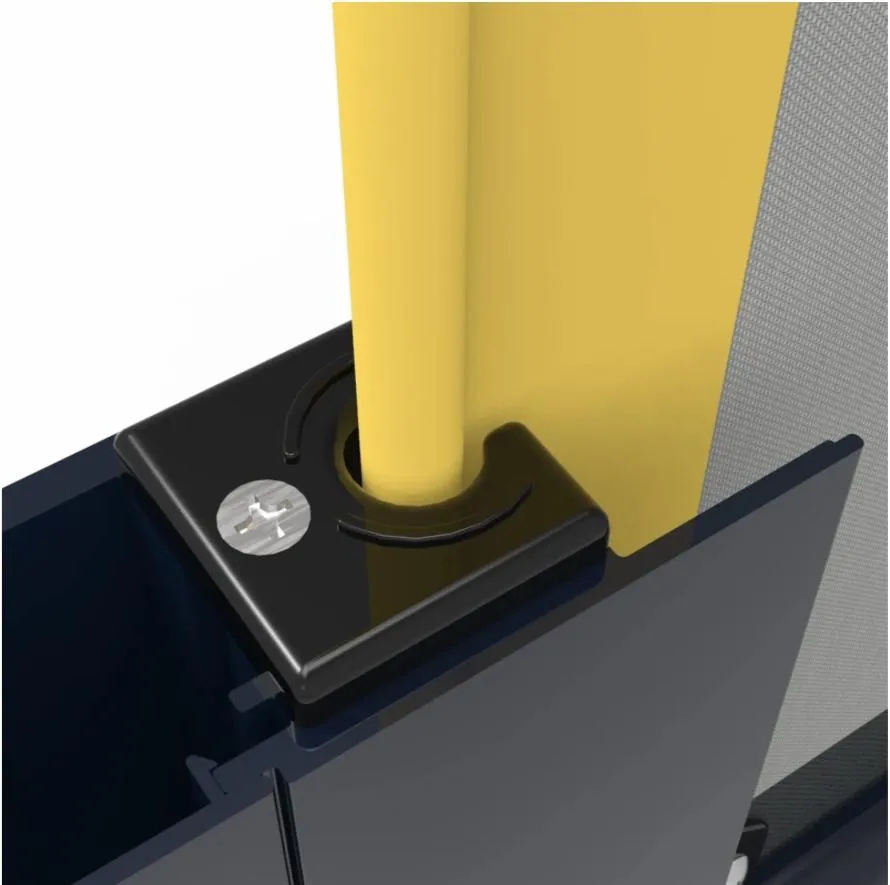
No blowouts. No rewraps. No frustration.
MaxForce is the only retractable screen system on the market designed to stay locked in the track—even in high winds. Smart motor senses resistance and adjusts seamlessly, allowing self-correction when the screen encounters an obstacle: Fewer snags, fewer jams, and fewer costly service calls.
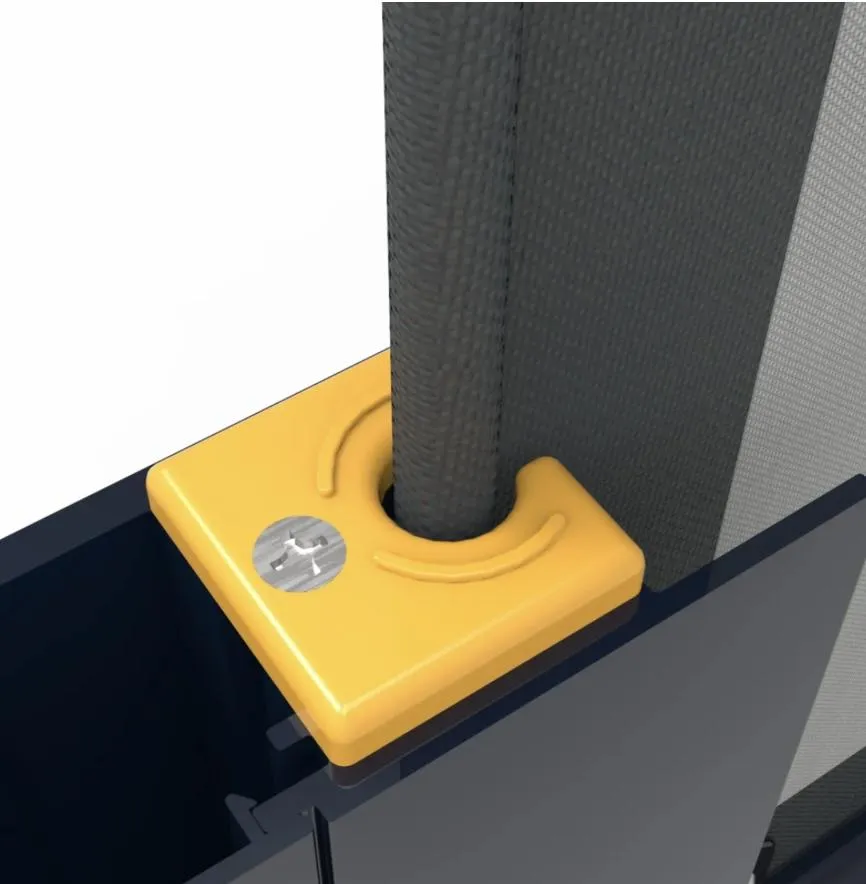
No Zipper. No Cable. Just Simple Deployment
MaxForce pioneered Keder-edge technology in motorized screens, delivering unmatched durability and simplicity. Borrowed from sailboat rigging, this system eliminates zippers, cables, and exposed hardware—ensuring smooth, reliable operation every time.
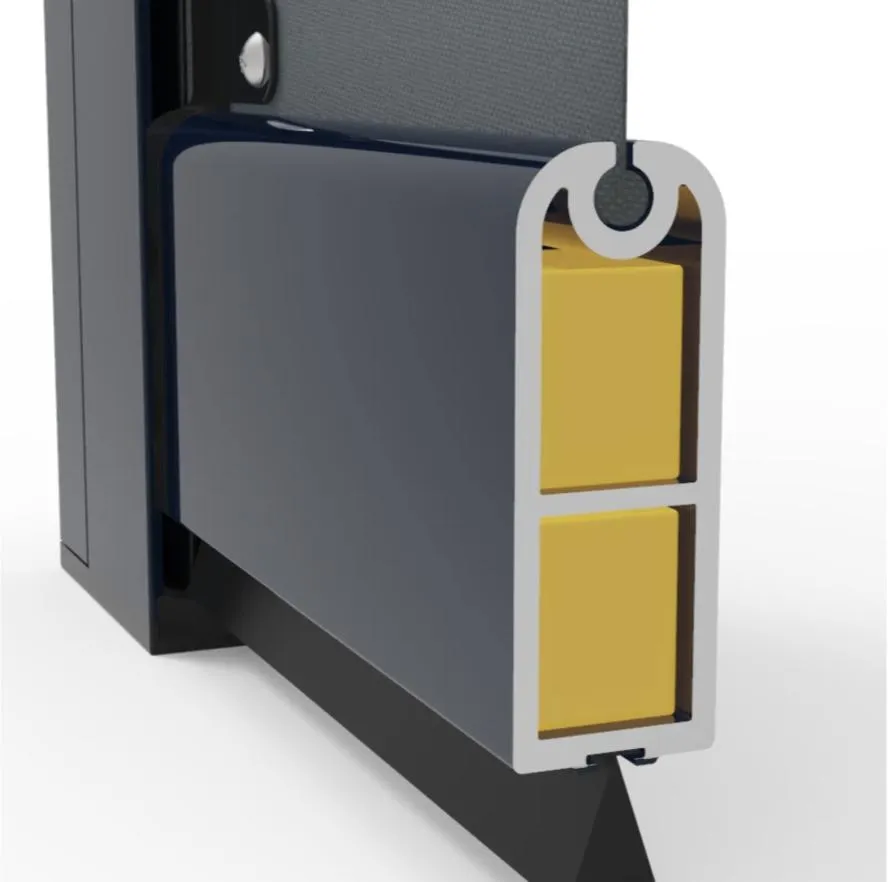
Heavy Duty
The MaxForce weight bar is engineered for strength—and built to hold its ground. Pound for pound, it’s the heaviest and most robust weight bar in the industry. This ensures proper screen tension, flawless deployment, and maximum stability in high wind zones. —limited flex, no failure.
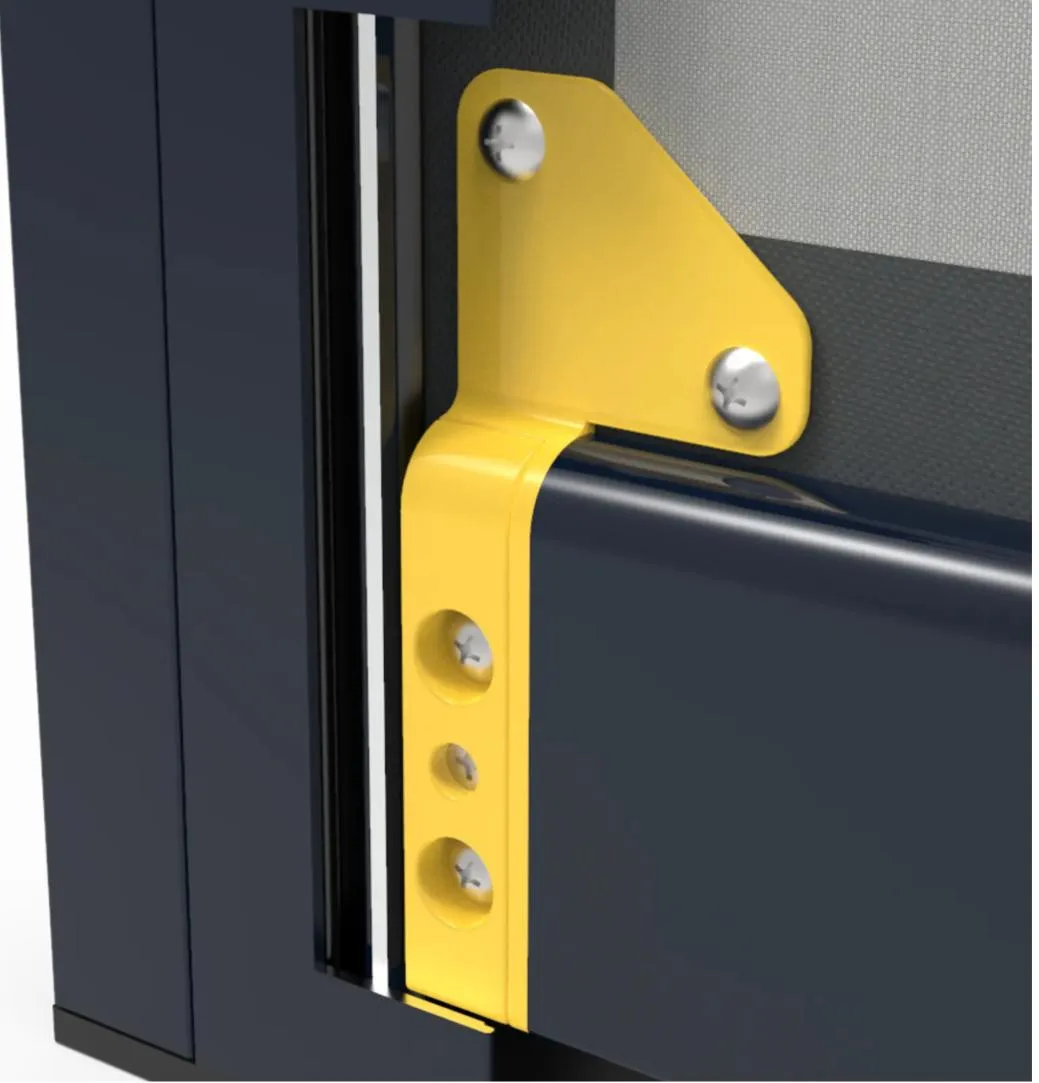
Reinforced Corners
MaxForce’s heavy-duty weight bar isn’t just strong. It’s smart. Reinforced corners and integrated tie-ins create a unified structure that acts like a solid wall of protection when deployed. Made from high-strength nylon, this bar absorbs impacts while maintaining structural integrity.
Motorized Hurricane Screen
Why Maxforce
MAXFORCE PROVEN PROTECT
Engineered For Excellence
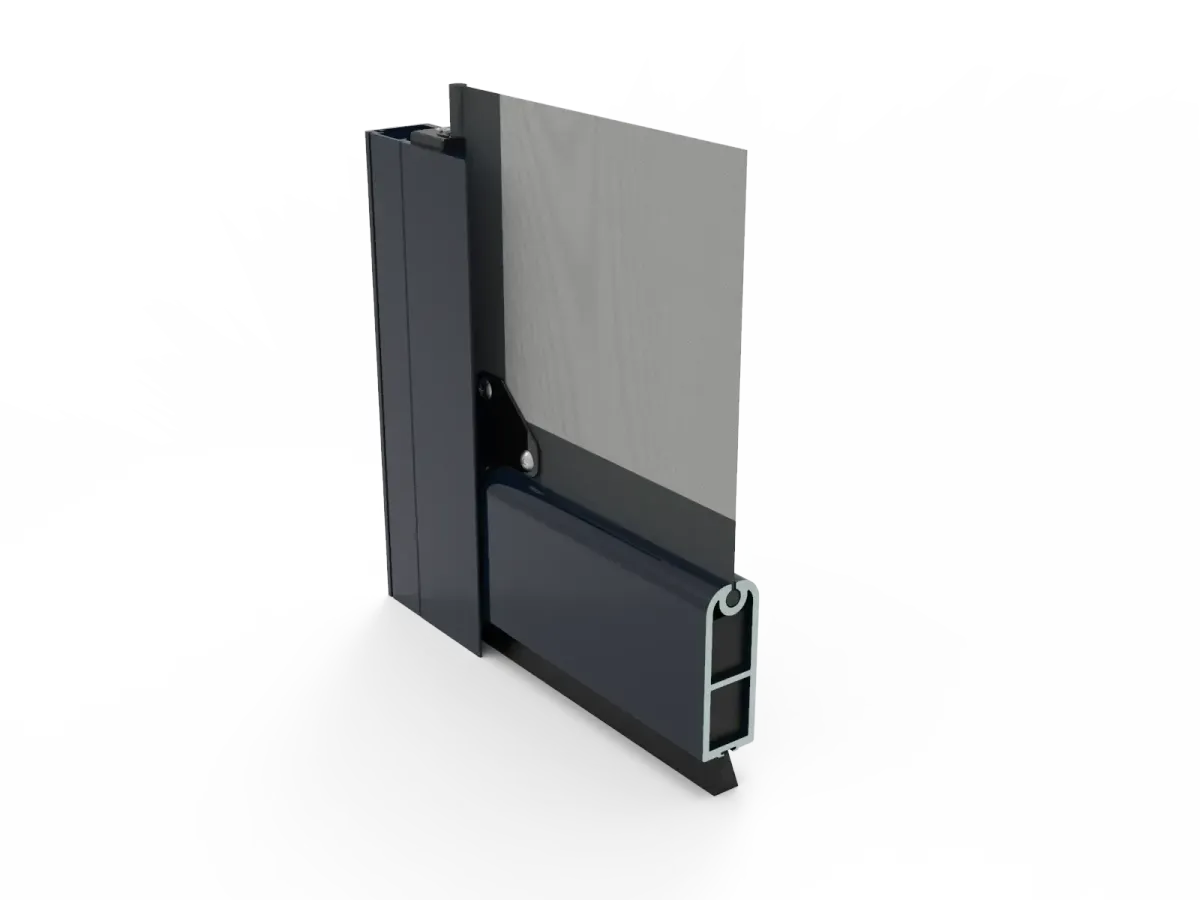
For nearly two decades, MaxForce has manufactured hurricane screens to meet the most demanding building code, the High Velocity Hurricane Zone of Miami-Dade. The MaxForce track is our newest version of the fixed track we have used with great success for high wind applications all over the globe.
The benefits of a fixed track are unmatched strength - this is important when designing a screen system for hurricanes. When you want the strongest system available, and a proven veteran of many hurricanes, the MaxForce Hurricane Track is your best choice.
MAXFORCE THE #1 MOTORIZED
HURRICANE SCREEN
Contact A+ Certified MaxForce Screen
Dealer Today...
MAXFORCE HURRICANE SCREENS
Engineering Features
No blowouts. No rewraps.
No frustration.
MaxForce is the only retractable screen system on the market designed to stay locked in the track—even in high winds. Smart motor senses resistance and adjusts seamlessly, allowing self-correction when the screen encounters an obstacle: Fewer snags, fewer jams, and fewer costly service calls.
No Zipper. No Cable.
Just Simple Deployment
MaxForce pioneered Keder-edge technology in motorized screens, delivering unmatched durability and simplicity. Borrowed from sailboat rigging, this system eliminates zippers, cables, and exposed hardware—ensuring smooth, reliable operation every time.
Heavy Duty
The MaxForce weight bar is engineered for strength—and built to hold its ground. Pound for pound, it’s the heaviest and most robust weight bar in the industry. This ensures proper screen tension, flawless deployment, and maximum stability in high wind zones. —limited flex, no failure.
Reinforced Corners
MaxForce’s heavy-duty weight bar isn’t just strong. It’s smart. Reinforced corners and integrated tie-ins create a unified structure that acts like a solid wall of protection when deployed. Made from high-strength nylon, this bar absorbs impacts while maintaining structural integrity.

HEADACHE-FREE
Exclusive self-tensioning system eliminates 99.9% of screen issues. No track adjustments, broken zippers, or dislodged screens.

LIFETIME WARRANTY
Exterior shade screens reduce cooling bills and MaxForce hurricane screens reduce insurance premiums in hurricane zones.

HURRICANE STRONG
Our MaxForce tracks and advanced hybrid ballistic fabrics withstand 150+ mph winds. Approved by Florida Building Commission for hurricane zones. Lab and real-world tested.

BUILT TO LAST
We use marine-grade materials such as powder-coated aluminum, UV-protected nylons, stainless steel fasteners, and premium fabrics. Resists corrosion, rust, and screen failure.

COST-SAVING
Exterior shade screens reduce cooling bills and MaxForce hurricane screens reduce insurance premiums in hurricane zones.

SMART CONTROLS
Control MaxForce screens via remote and
phone or integrate with popular home automation systems for advanced
capabilities.

SECURE TRACK
MaxForce Fix Hurricane Track holds firm under extreme loads

MAX CORROSION PROTECTION
Powder Coated Aluminum Protects your investment from exposer and corrosion.

HEAVY-DUTY DESIGN
Our screens are designed to withstand the extreme. High wind, Rain, or Shine, Dust Dirt, Dander, it doesn't matter. MaxForce Cover it all.

CUSTOM-MADE SCREENS
Tailor-made screens with vast color, fabric, and system options. Custom paint color and fabric matching are available.
MAXFORCE THE #1 MOTORIZED HURRICANE SCREEN
Contact A+ Certified MaxForce Screen Dealer Today...
HEADACHE-FREE
Exclusive self-tensioning system eliminates 99.9% of screen issues.
No track adjustments, broken zippers,
or dislodged screens.
LIFETIME WARRANTY
Exterior shade screens reduce cooling
bills and MaxForce hurricane screens
reduce insurance premiums in
hurricane zones.
HURRICANE STRONG
Our MaxForce tracks and advanced hybrid ballistic fabrics withstand
150+ mph winds. Approved by Florida Building Commission for hurricane
zones. Lab and real-world tested.
BUILT TO LAST
We use marine-grade materials such
as powder-coated aluminum, UV-protected nylons, stainless steel
fasteners, and premium fabrics. Resists corrosion, rust, and screen failure.
COST-SAVING
Exterior shade screens reduce cooling
bills and MaxForce hurricane screens
reduce insurance premiums in
hurricane zones.
SMART CONTROLS
Control MaxForce screens via remote and
phone or integrate with popular home automation systems for advanced
capabilities.
SECURE TRACK
MaxForce Fix Hurricane Track holds firm under extreme loads
MAX CORROSION PROTECTION
Powder Coated Aluminum Protects your investment from exposer and corrosion.
HEAVY-DUTY DESIGN
Our screens are designed to withstand
the extreme. High wind, Rain, or Shine,
Dust Dirt, Dander, it doesn't matter. MaxForce Cover it all.
CUSTOM-MADE SCREENS
Tailor-made screens with vast color, fabric, and system options. Custom
paint color and fabric matching are available.
MAXFORCE THE #1 MOTORIZED
HURRICANE SCREEN
Contact A+ Certified MaxForce Screen
Dealer Today...
MAXFORCE
Ready For Life's Storms
MAXFORCE HURRICANE SCREEN SYSTEM
A Certified, Tested System...
The MaxForce Hurricane Screen System meets or exceeds Miami-Dade and Florida Building Code requirements—the toughest hurricane codes on earth—for roll-down hurricane screens. Rated for the 185 MPH wind zone, and with real-world and certified testing. With spans of up to 25 feet, they exceed performance criteria for all local and International Building Codes.
MAXFORCE THE #1 MOTORIZED HURRICANE SCREEN
Contact A+ Certified MaxForce Screen Dealer Today...
MAXFORCE
Ready For Life's Storms
MAXFORCE HURRICANE SCREEN SYSTEM
A Certified, Tested System...
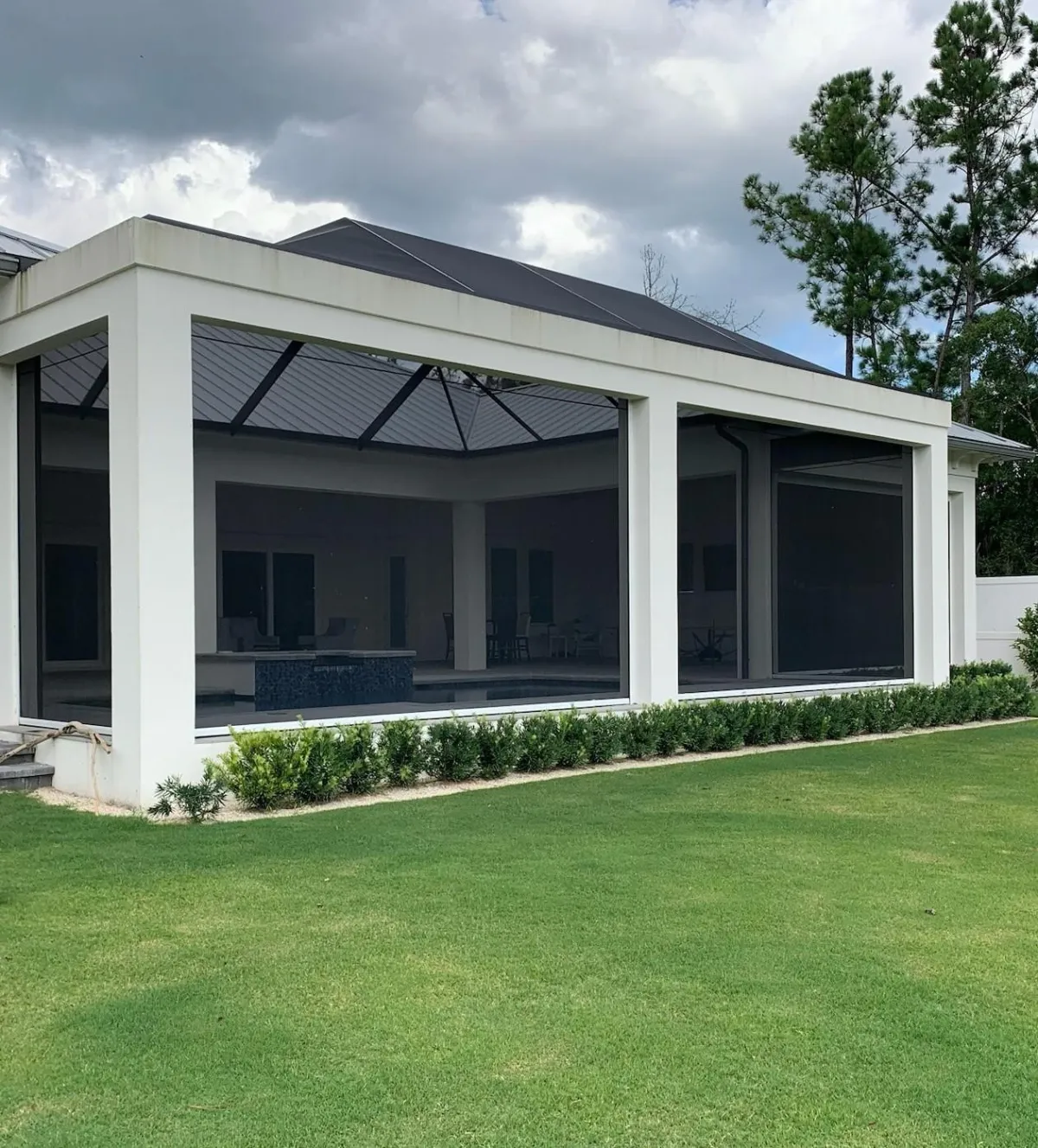
The MaxForce Hurricane Screen System meets or exceeds Miami-Dade and Florida Building Code requirements—the toughest hurricane codes on earth—for roll-down hurricane screens. Rated for the 185 MPH wind zone, and with real-world and certified testing. With spans of up to 25 feet, they exceed performance criteria for all local and International Building Codes.
MAXFORCE THE #1 MOTORIZED
HURRICANE SCREEN
Contact A+ Certified MaxForce Screen
Dealer Today...
THE MAXFORCE DIFFERENCE
Maxforce Hurricane Screen
THE MAXFORCE DIFFERENCE
MaxForce Hurricane Screen
MaxForce Hurricane Screens, powered by our MaxForce system, meet the toughest standards—including HVHZ certification in Miami-Dade and Broward. They last longer, resist more, and do more than any screen on the market—proven protection without compromise.
MaxForce Hurricane Screens —Delivers 365 days of perfect protection, rain or shine, on your patio and lanai. With the push of a button or a tap on the mobile app, your patio is storm-ready— furniture and openings fully protected in seconds.
MaxForce Hurricane Screens fabric blocks up to 95% of the sun’s damaging UV-rays while shielding against wind, rain, insects, dust, and debris. It also helps reduce heat and lower energy costs by limiting solar exposure—comfort and protection in one smart solution.
Like all Maxforce products, our MaxForce Hurricane Screens are highly customizable and built to order—made to fit your exact openings. No guesswork, no compromises—just precision-fit protection tailored to your space.
Pair our retractable MaxForce Hurricane Screens with other Maxforce screens for customized and independent solutions. Each screen operates independently, giving you the protection you want when you need it.
MaxForce Hurricane Screens offer built-in privacy without blocking your view. Like a two-way mirror, you can see out—but neighbors and passersby can not see in. It provides the perfect blend of openness and seclusion, day or night.
MAXFORCE THE #1 MOTORIZED HURRICANE SCREEN
Contact A+ Certified MaxForce Screen Dealer Today...
INTEGRITY MATTERS
How MaxForce Is Made Matters
MaxForce Hurricane Screens, powered by our MaxForce system, meet the toughest standards—including HVHZ certification in Miami-Dade and Broward. They last longer, resist more, and do more than any screen on the market—proven protection without compromise.
.
MaxForce Hurricane Screens —Delivers 365 days of perfect protection, rain or shine, on your patio and lanai. With the push of a button or a tap on the mobile app, your patio is storm-ready— furniture and openings fully protected in seconds.
MaxForce Hurricane Screens fabric blocks up to 95% of the sun’s damaging UV-rays while shielding against wind, rain, insects, dust, and debris. It also helps reduce heat and lower energy costs by limiting solar exposure—comfort and protection in one smart solution.
.
Like all Maxforce products, our MaxForce Hurricane Screens are highly customizable and built to order—made to fit your exact openings. No guesswork, no compromises—just precision-fit protection tailored to your space.
.
Pair our retractable MaxForce Hurricane Screens with other Maxforce screens for customized and independent solutions. Each screen operates independently, giving you the protection you want when you need it.
.
MaxForce Hurricane Screens offer built-in privacy without blocking your view. Like a two-way mirror, you can see out—but neighbors and passersby can not see in. It provides the perfect blend of openness and seclusion, day or night.
.
MAXFORCE THE #1 MOTORIZED
HURRICANE SCREEN
Contact A+ Certified MaxForce Screen
Dealer Today...
INTEGRITY MATTERS
How MaxForce Is
Made Matters
AMERICAN INGENUITY
Made in the USA.

Proudly Made in the USA—every MaxForce screen is built with American strength, precision, and pride. From the smallest components to the final assembly, our materials are sourced and manufactured right here in the United States. No outsourcing. No compromises. Just hardworking Americans protecting American homes with the toughest screen system on the market.
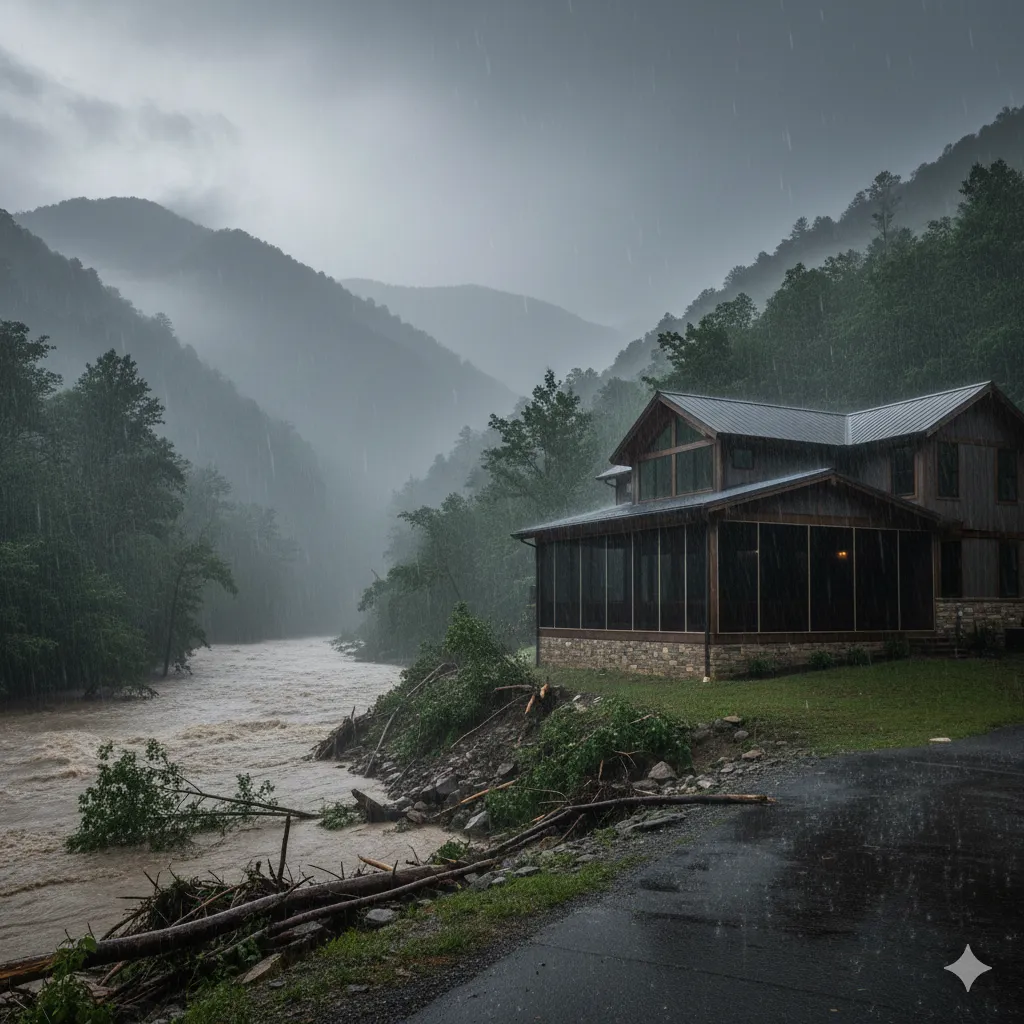
Hurricane Helene Changed Everything: Why Inland Homeowners Are Now Prioritizing Storm Protection
Hurricane Helene Changed Everything: Why Inland Homeowners Are Now Prioritizing Storm Protection
The mountains were supposed to be safe.
The Promise That Broke
They called it a climate haven.
Asheville, North Carolina—nestled in the Blue Ridge Mountains, hundreds of miles from the nearest coastline, cradled by peaks that had stood for millions of years. Real estate agents showed it to buyers fleeing wildfire smoke in California, escaping the punishing heat of Phoenix, leaving behind the flooding risks of coastal Carolina. The pitch was compelling: cooler summers than the suffocating South, no hurricanes, no sea level rise, just craft breweries and art galleries and the gentle rhythm of mountain living.
When Mary Ann Roser and her husband arrived from Austin four months before everything changed, they introduced themselves to neighbors as "climate refugees." Thirty years in Texas had worn them down—the summers growing hotter each year, the heat no longer something you endured but something you escaped. They researched carefully. They looked up hurricanes and tornadoes. The data said: not a problem here.
Kelsey Lahr had followed a similar path. A former park ranger in Yosemite, she had grown accustomed to evacuation orders—at least once a year, often more, packing her life into a car while smoke turned the sky orange. After her last displacement, she sat down at her computer and typed a simple search: Where are the best places to live for climate change?
Southern Appalachia appeared on her screen like a promise. A little island of bright green on the risk maps, the algorithms assured her. This is going to be good to go.
Her parents followed her to North Carolina. Her friend from Colorado came too, tired of breathing wildfire smoke.
And then, on September 27, 2024, a hurricane that made landfall in Florida's Big Bend region refused to die.
Five Hundred Miles of Devastation
Hurricanes are supposed to weaken over land. It is one of the fundamental truths of meteorology—the engine that drives these storms depends on warm ocean water, and once that fuel source disappears, the system should lose power rapidly. For decades, the textbooks said hurricanes lost 75 percent of their intensity within the first day of making landfall.
Helene did not read the textbooks.
The storm crashed into Florida as a Category 4 monster with 140-mile-per-hour winds, the strongest hurricane to strike Florida's Big Bend region since records began in 1900. It pushed a 15-foot storm surge into coastal communities, tore apart structures, and began its march inland. By the time it crossed into Georgia, it was still a Category 2 hurricane—maximum sustained winds of 110 mph, strong enough to cause billions in damage to timber and agriculture.
Atlanta, a city that almost never experiences anything resembling hurricane conditions, recorded its heaviest three-day rainfall in 104 years. The National Weather Service issued the city's first-ever flash flood emergency. Rivers that had never threatened anyone's home suddenly swallowed neighborhoods whole.
But the true horror awaited in the mountains.
Helene, still carrying the moisture it had gathered over the superheated Gulf of Mexico, collided with the Southern Appalachians. The mountains forced the wet air upward, cooling it, condensing its moisture, and wringing out rainfall of almost unimaginable intensity. Some areas received more than 30 inches of rain—four to five months of precipitation in less than three days.
The statistical probability of such an event? Less than 0.1 percent in any given year. A thousand-year flood. The kind of thing that was never supposed to happen.
But it did happen. And the communities built in valleys and along rivers—communities that had never needed to think about hurricanes, that existed precisely because they seemed safe from such things—discovered what it means when the water comes for you.
The Toll
The numbers tell part of the story, though numbers always fail to capture the full weight of catastrophe.
Over 250 people died. Helene became the third-deadliest hurricane of the modern era, behind only Maria and Katrina—names that evoke images of coastal devastation, of New Orleans and Puerto Rico, not of quiet mountain towns in Appalachia.
North Carolina alone lost 108 souls. Not along the Outer Banks, where hurricanes are a familiar threat. In the western mountains. In places like Buncombe County, where more than 490 water rescues had to be performed. In communities that existed, in part, because people believed they were safe from exactly this kind of disaster.
The French Broad River, which winds through Asheville, exceeded its previous record—set during the Great Flood of 1916—by more than 1.5 feet. The historic Biltmore Village, nestled at the confluence of the French Broad and Swannanoa Rivers, was inundated. The River Arts District, a symbol of Asheville's creative renaissance, was largely destroyed.
In Tennessee, 54 patients and staff had to be evacuated from the roof of Unicoi County Hospital as floodwaters filled the building. The Nolichucky River, which normally runs far below a bridge on Highway 107, rose so high it washed the bridge away entirely—a bridge that had been 60 feet above the water.
Governor Roy Cooper surveyed the aftermath and spoke words that would echo across the region: "Communities were wiped off the map."
The economic damage reached $78.7 billion—among the costliest storms in American history. The path of destruction stretched nearly 500 miles from Florida's Gulf Coast through the heart of Appalachia.
And in all those devastated inland counties, fewer than 1 percent of households carried flood insurance.
The Assumption That Failed
For decades, Americans have organized their understanding of hurricane risk around a simple mental model: hurricanes threaten the coast. If you live far enough inland, you are safe. The danger diminishes with distance from salt water, and at some point—perhaps 50 miles, perhaps 100—you can stop worrying about tropical systems altogether.
This mental model was never entirely accurate, but it was accurate enough. Hurricanes did weaken over land. Inland flooding happened occasionally, but it was manageable. The truly catastrophic events occurred where everyone expected them—on barrier islands and coastal plains, in places where people built knowing they were accepting risk in exchange for beachfront living.
Helene shattered this framework.
The storm demonstrated that a hurricane's destructive power can extend progressively farther inland as warming oceans provide more fuel, as warming atmosphere holds more moisture, as the very dynamics that once limited inland impacts continue to shift.
The science had been pointing in this direction for years. A 2020 study in the journal Nature found that hurricanes now decay by only about 50 percent in their first day over land—compared to the 75 percent decay that was previously standard. Warmer conditions are allowing storms to maintain their strength longer, to carry their moisture deeper into the continent, to threaten communities that never imagined themselves in a hurricane's path.
"If you live in a place that can rain," observed Kathie Dello, North Carolina's state climatologist, "you live in a place that can flood."
The implications of this statement are profound. It means there is no safe zone—no distance from the coast that guarantees protection, no mountain range that provides immunity, no "climate haven" that exists outside the reach of an increasingly volatile atmosphere.
It means that millions of Americans who have never thought of themselves as living in hurricane country need to start thinking differently.
The Insurance Gap Nobody Talked About
Here is a number that should trouble every homeowner in America: only 4 to 6 percent of U.S. homeowners carry flood insurance, even though 99 percent of U.S. counties have experienced flooding since 1996.
This gap is not distributed evenly. Along the coasts, where lenders require flood insurance for properties in high-risk zones, coverage rates are higher. But inland—in the mountains of North Carolina, the valleys of Tennessee, the rolling hills of Georgia—coverage rates often fall below 2.5 percent.
In Buncombe County, home to Asheville and ground zero for Helene's inland devastation, fewer than 1 percent of households had flood insurance when the waters came.
The reasons are understandable, even if the consequences proved devastating. Federal flood maps, which drive insurance requirements, often underestimate risks in inland areas. The First Street Foundation calculated that 18 percent of Buncombe County properties faced flood risk—compared to just 2 percent according to federal maps. Homeowners who were never told they needed flood insurance naturally did not buy it.
Moreover, most federal flood maps do not consider pluvial flooding—flooding from rainfall itself, rather than from rising rivers or coastal storm surge. A homeowner on high ground, far from any stream, might reasonably believe themselves safe from flooding. They might never imagine that the rain itself could become the threat—that 30 inches of water falling from the sky could turn a hillside into a waterfall, could overwhelm every drainage system, could fill a valley faster than anyone could escape.
The financial devastation that followed Helene's floodwaters was almost as catastrophic as the physical destruction. Estimated economic losses reached the triple digits of billions—but insured losses were only a fraction of that, in the single-digit billions. The gap represents homes destroyed with no coverage, businesses ruined with no recourse, families who lost everything and have no clear path to rebuilding.
"There will absolutely be people who will be financially devastated by this event," said Charlotte Hicks, a flood insurance expert in North Carolina. "It's heartbreaking."
What Inland Homeowners Are Learning
In the months since Helene, something has shifted in how Americans—particularly those in inland communities—think about storm protection.
The conversations are happening in neighborhoods that never had them before. In north Georgia towns that watched Atlanta flood. In Tennessee communities that saw the Nolichucky River swallow a highway bridge. In Virginia valleys where the remnants of tropical systems now arrive with regularity.
The questions these homeowners are asking have changed:
If I am not safe from hurricanes 400 miles from the coast, what does that mean for my home?
If flood insurance is the only protection against water damage, what protects me from wind and debris when a storm maintains strength far longer than it used to?
If "unprecedented" events are becoming precedented—if thousand-year floods are happening—what assumptions am I making that might prove equally wrong?
These are not comfortable questions. They require abandoning a mental model that felt reliable for generations. They require accepting that the rules are changing, that distance from the coast no longer provides the protection it once did, that communities built on assumptions of safety may need to reconsider those assumptions.
But the alternative—continuing to believe in a framework that Helene proved catastrophically inadequate—is no longer tenable.
The New Geography of Risk
Understanding how storm risk is evolving requires understanding why Helene behaved so differently from previous hurricanes.
The answer begins in the ocean. The Gulf of Mexico in September 2024 was extraordinarily warm—fuel for rapid intensification that allowed Helene to grow from scattered thunderstorms to a Category 4 monster in little more than two days. That warmth was not an anomaly; it was the latest expression of a decades-long trend of ocean heat accumulation.
Warmer oceans do not just produce stronger hurricanes. They produce hurricanes that carry more moisture, that maintain their intensity longer over land, that deliver catastrophic rainfall to communities far from the coast.
The atmosphere, too, is changing. Every degree of warming allows the air to hold approximately 7 percent more moisture. The storms that form over warmer oceans arrive carrying more water than their predecessors—and they drop that water not just at landfall, but deep inland as they track across the continent.
For homeowners in what was once considered the safe interior—in the Carolinas, Georgia, Tennessee, Virginia, even further north—this represents a fundamental shift in the threat landscape. The question is no longer whether hurricanes can reach you. The question is how you will be protected when they do.
Protection Reconsidered
The instinct, after witnessing devastation like Helene's, is to focus on water. Flood insurance. Elevation. Drainage improvements. These are critical considerations, and any homeowner in a flood-prone area should pursue them.
But water is only part of the story.
Helene arrived in Georgia still packing winds of 110 mph—sufficient to destroy structures, shatter windows, tear roofs from buildings. Even after weakening to tropical storm strength, the system delivered hurricane-force wind gusts across the North Carolina mountains. The 2,000-plus landslides triggered by the rainfall sent debris careening down hillsides at lethal velocities.
For inland homeowners, protection must address the full spectrum of threats that modern tropical systems present:
Wind Protection: Windows and openings remain vulnerable to wind damage and windborne debris hundreds of miles from the coast. The homeowner in Atlanta who assumed their distance protected them learned otherwise when 80 mph gusts tore through their neighborhood.
Debris Protection: Flying debris—from tree limbs to building materials to the countless objects storms transform into projectiles—threatens homes at any distance from the coast where winds reach dangerous levels.
Water Infiltration: A compromised window or door opening during a storm allows water to enter, causing damage that compounds long after winds subside. Protection against wind and debris is also protection against the cascading water damage that follows.
The inland homeowner who watched Helene's destruction unfold has reason to reconsider every assumption about what their home requires to be truly protected.
The Conversation Changes
Before Helene, a homeowner in Asheville asking about hurricane screens would have faced puzzled looks. Hurricane protection? In the mountains?
The conversation is different now.
Across the expanding geography of hurricane risk—in communities that once defined themselves by their distance from the threat—homeowners are engaging with questions they never previously considered. They are learning about wind ratings and debris impact and the engineering required to protect openings against conditions that were once unthinkable in their regions.
They are discovering that the same protection systems that coastal homeowners have relied upon for decades apply just as effectively to the newly-at-risk interior. That Category 5-rated hurricane screens do not care whether the wind comes from a storm that made landfall in Florida or one that has traveled 500 miles inland—they provide the same protection regardless.
And they are making a calculation that would have seemed absurd a generation ago: perhaps the cost of protection is worthwhile even here, even in places that were never supposed to need it, because the world has changed and the old maps no longer apply.
Mary Ann Roser's Conclusion
After the waters receded, after the mud was cleared and the roads began reopening, Mary Ann Roser—the climate refugee from Austin—sat with her experience and considered what it meant.
Her home, fortunately, had not been destroyed. She was luckier than many of her new neighbors. But the experience had reshaped her understanding of what it means to seek safety from climate risk.
"There's no outrunning climate change," she told NPR. "It's a global phenomenon. And, you know, I guess it was our turn."
The researchers agree with her conclusion. "It's really both a privilege and a fantasy to think that we can escape to someplace that's perfectly insulated from the climate crisis," said Meade Krosby, a senior scientist at the University of Washington Climate Impacts Group. "Is any place without risk? No."
This is not cause for despair. It is cause for preparation.
The homeowner who accepts that risk exists everywhere is the homeowner who takes steps to manage that risk—who purchases appropriate insurance, who strengthens vulnerable openings, who makes the investments in protection that transform a house into a shelter capable of withstanding what the changing climate delivers.
The homeowner who believes in safe havens, in risk-free zones, in the comforting fiction that some places simply do not need protection—that homeowner remains vulnerable to the next unprecedented event, the next thousand-year flood, the next system that refuses to weaken as it moves inland.
Helene changed the conversation. The question now is whether Americans will listen.
The Path Forward
For homeowners in the expanding geography of hurricane risk—in inland Georgia, in the Tennessee valleys, in the North Carolina mountains, in communities across the Southeast that never previously considered themselves hurricane country—January 2026 offers an opportunity.
An opportunity to have conversations that would have seemed unnecessary before September 2024. To research protection options that once seemed irrelevant to their region. To make decisions from thoughtfulness rather than crisis, from planning rather than reaction to the next storm bearing down.
The protection exists. The engineering that has shielded coastal homes for decades applies equally to inland homes now facing the same threats. Category 5 ratings mean Category 5 protection, regardless of whether a home sits on a barrier island or in a mountain valley.
What remains is the decision: to accept the new reality and prepare accordingly, or to hope that Helene was an anomaly, that the next storm will behave differently, that the old assumptions still hold.
The data suggests hoping is not a strategy. The climate is changing. The storms are changing. The geography of risk is expanding inland, and it will not contract simply because we wish it would.
MaxForce Hurricane Screens offers consultations to homeowners wherever they live—coastal or inland, traditional hurricane territory or the newly-at-risk interior. No obligation. No pressure. Simply information about what protection means in a world where hurricanes no longer respect the boundaries we once drew on our mental maps.
The mountains were supposed to be safe. They were not.
What you do with that knowledge is up to you.
MaxForce Hurricane Screens. Category 5 Certified. American Made.
No Blowouts. No Rewraps. No Compromise.

Company
MaxForce Hurricane Screens
Design Ideals
Resources


© 2025 Maxforce - Powered by Fenetex and Friends of Oatis
AMERICAN INGENUITY
Made in the USA
Proudly Made in the USA—every MaxForce screen is built with American strength, precision, and pride. From the smallest components to the final assembly, our materials are sourced and manufactured right here in the United States. No outsourcing. No compromises. Just hardworking Americans protecting American homes with the toughest screen system on the market.
Hurricane Helene Changed Everything: Why Inland Homeowners Are Now Prioritizing Storm Protection
Hurricane Helene Changed Everything: Why Inland Homeowners Are Now Prioritizing Storm Protection
The mountains were supposed to be safe.
The Promise That Broke
They called it a climate haven.
Asheville, North Carolina—nestled in the Blue Ridge Mountains, hundreds of miles from the nearest coastline, cradled by peaks that had stood for millions of years. Real estate agents showed it to buyers fleeing wildfire smoke in California, escaping the punishing heat of Phoenix, leaving behind the flooding risks of coastal Carolina. The pitch was compelling: cooler summers than the suffocating South, no hurricanes, no sea level rise, just craft breweries and art galleries and the gentle rhythm of mountain living.
When Mary Ann Roser and her husband arrived from Austin four months before everything changed, they introduced themselves to neighbors as "climate refugees." Thirty years in Texas had worn them down—the summers growing hotter each year, the heat no longer something you endured but something you escaped. They researched carefully. They looked up hurricanes and tornadoes. The data said: not a problem here.
Kelsey Lahr had followed a similar path. A former park ranger in Yosemite, she had grown accustomed to evacuation orders—at least once a year, often more, packing her life into a car while smoke turned the sky orange. After her last displacement, she sat down at her computer and typed a simple search: Where are the best places to live for climate change?
Southern Appalachia appeared on her screen like a promise. A little island of bright green on the risk maps, the algorithms assured her. This is going to be good to go.
Her parents followed her to North Carolina. Her friend from Colorado came too, tired of breathing wildfire smoke.
And then, on September 27, 2024, a hurricane that made landfall in Florida's Big Bend region refused to die.
Five Hundred Miles of Devastation
Hurricanes are supposed to weaken over land. It is one of the fundamental truths of meteorology—the engine that drives these storms depends on warm ocean water, and once that fuel source disappears, the system should lose power rapidly. For decades, the textbooks said hurricanes lost 75 percent of their intensity within the first day of making landfall.
Helene did not read the textbooks.
The storm crashed into Florida as a Category 4 monster with 140-mile-per-hour winds, the strongest hurricane to strike Florida's Big Bend region since records began in 1900. It pushed a 15-foot storm surge into coastal communities, tore apart structures, and began its march inland. By the time it crossed into Georgia, it was still a Category 2 hurricane—maximum sustained winds of 110 mph, strong enough to cause billions in damage to timber and agriculture.
Atlanta, a city that almost never experiences anything resembling hurricane conditions, recorded its heaviest three-day rainfall in 104 years. The National Weather Service issued the city's first-ever flash flood emergency. Rivers that had never threatened anyone's home suddenly swallowed neighborhoods whole.
But the true horror awaited in the mountains.
Helene, still carrying the moisture it had gathered over the superheated Gulf of Mexico, collided with the Southern Appalachians. The mountains forced the wet air upward, cooling it, condensing its moisture, and wringing out rainfall of almost unimaginable intensity. Some areas received more than 30 inches of rain—four to five months of precipitation in less than three days.
The statistical probability of such an event? Less than 0.1 percent in any given year. A thousand-year flood. The kind of thing that was never supposed to happen.
But it did happen. And the communities built in valleys and along rivers—communities that had never needed to think about hurricanes, that existed precisely because they seemed safe from such things—discovered what it means when the water comes for you.
The Toll
The numbers tell part of the story, though numbers always fail to capture the full weight of catastrophe.
Over 250 people died. Helene became the third-deadliest hurricane of the modern era, behind only Maria and Katrina—names that evoke images of coastal devastation, of New Orleans and Puerto Rico, not of quiet mountain towns in Appalachia.
North Carolina alone lost 108 souls. Not along the Outer Banks, where hurricanes are a familiar threat. In the western mountains. In places like Buncombe County, where more than 490 water rescues had to be performed. In communities that existed, in part, because people believed they were safe from exactly this kind of disaster.
The French Broad River, which winds through Asheville, exceeded its previous record—set during the Great Flood of 1916—by more than 1.5 feet. The historic Biltmore Village, nestled at the confluence of the French Broad and Swannanoa Rivers, was inundated. The River Arts District, a symbol of Asheville's creative renaissance, was largely destroyed.
In Tennessee, 54 patients and staff had to be evacuated from the roof of Unicoi County Hospital as floodwaters filled the building. The Nolichucky River, which normally runs far below a bridge on Highway 107, rose so high it washed the bridge away entirely—a bridge that had been 60 feet above the water.
Governor Roy Cooper surveyed the aftermath and spoke words that would echo across the region: "Communities were wiped off the map."
The economic damage reached $78.7 billion—among the costliest storms in American history. The path of destruction stretched nearly 500 miles from Florida's Gulf Coast through the heart of Appalachia.
And in all those devastated inland counties, fewer than 1 percent of households carried flood insurance.
The Assumption That Failed
For decades, Americans have organized their understanding of hurricane risk around a simple mental model: hurricanes threaten the coast. If you live far enough inland, you are safe. The danger diminishes with distance from salt water, and at some point—perhaps 50 miles, perhaps 100—you can stop worrying about tropical systems altogether.
This mental model was never entirely accurate, but it was accurate enough. Hurricanes did weaken over land. Inland flooding happened occasionally, but it was manageable. The truly catastrophic events occurred where everyone expected them—on barrier islands and coastal plains, in places where people built knowing they were accepting risk in exchange for beachfront living.
Helene shattered this framework.
The storm demonstrated that a hurricane's destructive power can extend progressively farther inland as warming oceans provide more fuel, as warming atmosphere holds more moisture, as the very dynamics that once limited inland impacts continue to shift.
The science had been pointing in this direction for years. A 2020 study in the journal Nature found that hurricanes now decay by only about 50 percent in their first day over land—compared to the 75 percent decay that was previously standard. Warmer conditions are allowing storms to maintain their strength longer, to carry their moisture deeper into the continent, to threaten communities that never imagined themselves in a hurricane's path.
"If you live in a place that can rain," observed Kathie Dello, North Carolina's state climatologist, "you live in a place that can flood."
The implications of this statement are profound. It means there is no safe zone—no distance from the coast that guarantees protection, no mountain range that provides immunity, no "climate haven" that exists outside the reach of an increasingly volatile atmosphere.
It means that millions of Americans who have never thought of themselves as living in hurricane country need to start thinking differently.
The Insurance Gap Nobody Talked About
Here is a number that should trouble every homeowner in America: only 4 to 6 percent of U.S. homeowners carry flood insurance, even though 99 percent of U.S. counties have experienced flooding since 1996.
This gap is not distributed evenly. Along the coasts, where lenders require flood insurance for properties in high-risk zones, coverage rates are higher. But inland—in the mountains of North Carolina, the valleys of Tennessee, the rolling hills of Georgia—coverage rates often fall below 2.5 percent.
In Buncombe County, home to Asheville and ground zero for Helene's inland devastation, fewer than 1 percent of households had flood insurance when the waters came.
The reasons are understandable, even if the consequences proved devastating. Federal flood maps, which drive insurance requirements, often underestimate risks in inland areas. The First Street Foundation calculated that 18 percent of Buncombe County properties faced flood risk—compared to just 2 percent according to federal maps. Homeowners who were never told they needed flood insurance naturally did not buy it.
Moreover, most federal flood maps do not consider pluvial flooding—flooding from rainfall itself, rather than from rising rivers or coastal storm surge. A homeowner on high ground, far from any stream, might reasonably believe themselves safe from flooding. They might never imagine that the rain itself could become the threat—that 30 inches of water falling from the sky could turn a hillside into a waterfall, could overwhelm every drainage system, could fill a valley faster than anyone could escape.
The financial devastation that followed Helene's floodwaters was almost as catastrophic as the physical destruction. Estimated economic losses reached the triple digits of billions—but insured losses were only a fraction of that, in the single-digit billions. The gap represents homes destroyed with no coverage, businesses ruined with no recourse, families who lost everything and have no clear path to rebuilding.
"There will absolutely be people who will be financially devastated by this event," said Charlotte Hicks, a flood insurance expert in North Carolina. "It's heartbreaking."
What Inland Homeowners Are Learning
In the months since Helene, something has shifted in how Americans—particularly those in inland communities—think about storm protection.
The conversations are happening in neighborhoods that never had them before. In north Georgia towns that watched Atlanta flood. In Tennessee communities that saw the Nolichucky River swallow a highway bridge. In Virginia valleys where the remnants of tropical systems now arrive with regularity.
The questions these homeowners are asking have changed:
If I am not safe from hurricanes 400 miles from the coast, what does that mean for my home?
If flood insurance is the only protection against water damage, what protects me from wind and debris when a storm maintains strength far longer than it used to?
If "unprecedented" events are becoming precedented—if thousand-year floods are happening—what assumptions am I making that might prove equally wrong?
These are not comfortable questions. They require abandoning a mental model that felt reliable for generations. They require accepting that the rules are changing, that distance from the coast no longer provides the protection it once did, that communities built on assumptions of safety may need to reconsider those assumptions.
But the alternative—continuing to believe in a framework that Helene proved catastrophically inadequate—is no longer tenable.
The New Geography of Risk
Understanding how storm risk is evolving requires understanding why Helene behaved so differently from previous hurricanes.
The answer begins in the ocean. The Gulf of Mexico in September 2024 was extraordinarily warm—fuel for rapid intensification that allowed Helene to grow from scattered thunderstorms to a Category 4 monster in little more than two days. That warmth was not an anomaly; it was the latest expression of a decades-long trend of ocean heat accumulation.
Warmer oceans do not just produce stronger hurricanes. They produce hurricanes that carry more moisture, that maintain their intensity longer over land, that deliver catastrophic rainfall to communities far from the coast.
The atmosphere, too, is changing. Every degree of warming allows the air to hold approximately 7 percent more moisture. The storms that form over warmer oceans arrive carrying more water than their predecessors—and they drop that water not just at landfall, but deep inland as they track across the continent.
For homeowners in what was once considered the safe interior—in the Carolinas, Georgia, Tennessee, Virginia, even further north—this represents a fundamental shift in the threat landscape. The question is no longer whether hurricanes can reach you. The question is how you will be protected when they do.
Protection Reconsidered
The instinct, after witnessing devastation like Helene's, is to focus on water. Flood insurance. Elevation. Drainage improvements. These are critical considerations, and any homeowner in a flood-prone area should pursue them.
But water is only part of the story.
Helene arrived in Georgia still packing winds of 110 mph—sufficient to destroy structures, shatter windows, tear roofs from buildings. Even after weakening to tropical storm strength, the system delivered hurricane-force wind gusts across the North Carolina mountains. The 2,000-plus landslides triggered by the rainfall sent debris careening down hillsides at lethal velocities.
For inland homeowners, protection must address the full spectrum of threats that modern tropical systems present:
Wind Protection: Windows and openings remain vulnerable to wind damage and windborne debris hundreds of miles from the coast. The homeowner in Atlanta who assumed their distance protected them learned otherwise when 80 mph gusts tore through their neighborhood.
Debris Protection: Flying debris—from tree limbs to building materials to the countless objects storms transform into projectiles—threatens homes at any distance from the coast where winds reach dangerous levels.
Water Infiltration: A compromised window or door opening during a storm allows water to enter, causing damage that compounds long after winds subside. Protection against wind and debris is also protection against the cascading water damage that follows.
The inland homeowner who watched Helene's destruction unfold has reason to reconsider every assumption about what their home requires to be truly protected.
The Conversation Changes
Before Helene, a homeowner in Asheville asking about hurricane screens would have faced puzzled looks. Hurricane protection? In the mountains?
The conversation is different now.
Across the expanding geography of hurricane risk—in communities that once defined themselves by their distance from the threat—homeowners are engaging with questions they never previously considered. They are learning about wind ratings and debris impact and the engineering required to protect openings against conditions that were once unthinkable in their regions.
They are discovering that the same protection systems that coastal homeowners have relied upon for decades apply just as effectively to the newly-at-risk interior. That Category 5-rated hurricane screens do not care whether the wind comes from a storm that made landfall in Florida or one that has traveled 500 miles inland—they provide the same protection regardless.
And they are making a calculation that would have seemed absurd a generation ago: perhaps the cost of protection is worthwhile even here, even in places that were never supposed to need it, because the world has changed and the old maps no longer apply.
Mary Ann Roser's Conclusion
After the waters receded, after the mud was cleared and the roads began reopening, Mary Ann Roser—the climate refugee from Austin—sat with her experience and considered what it meant.
Her home, fortunately, had not been destroyed. She was luckier than many of her new neighbors. But the experience had reshaped her understanding of what it means to seek safety from climate risk.
"There's no outrunning climate change," she told NPR. "It's a global phenomenon. And, you know, I guess it was our turn."
The researchers agree with her conclusion. "It's really both a privilege and a fantasy to think that we can escape to someplace that's perfectly insulated from the climate crisis," said Meade Krosby, a senior scientist at the University of Washington Climate Impacts Group. "Is any place without risk? No."
This is not cause for despair. It is cause for preparation.
The homeowner who accepts that risk exists everywhere is the homeowner who takes steps to manage that risk—who purchases appropriate insurance, who strengthens vulnerable openings, who makes the investments in protection that transform a house into a shelter capable of withstanding what the changing climate delivers.
The homeowner who believes in safe havens, in risk-free zones, in the comforting fiction that some places simply do not need protection—that homeowner remains vulnerable to the next unprecedented event, the next thousand-year flood, the next system that refuses to weaken as it moves inland.
Helene changed the conversation. The question now is whether Americans will listen.
The Path Forward
For homeowners in the expanding geography of hurricane risk—in inland Georgia, in the Tennessee valleys, in the North Carolina mountains, in communities across the Southeast that never previously considered themselves hurricane country—January 2026 offers an opportunity.
An opportunity to have conversations that would have seemed unnecessary before September 2024. To research protection options that once seemed irrelevant to their region. To make decisions from thoughtfulness rather than crisis, from planning rather than reaction to the next storm bearing down.
The protection exists. The engineering that has shielded coastal homes for decades applies equally to inland homes now facing the same threats. Category 5 ratings mean Category 5 protection, regardless of whether a home sits on a barrier island or in a mountain valley.
What remains is the decision: to accept the new reality and prepare accordingly, or to hope that Helene was an anomaly, that the next storm will behave differently, that the old assumptions still hold.
The data suggests hoping is not a strategy. The climate is changing. The storms are changing. The geography of risk is expanding inland, and it will not contract simply because we wish it would.
MaxForce Hurricane Screens offers consultations to homeowners wherever they live—coastal or inland, traditional hurricane territory or the newly-at-risk interior. No obligation. No pressure. Simply information about what protection means in a world where hurricanes no longer respect the boundaries we once drew on our mental maps.
The mountains were supposed to be safe. They were not.
What you do with that knowledge is up to you.
MaxForce Hurricane Screens. Category 5 Certified. American Made.
No Blowouts. No Rewraps. No Compromise.